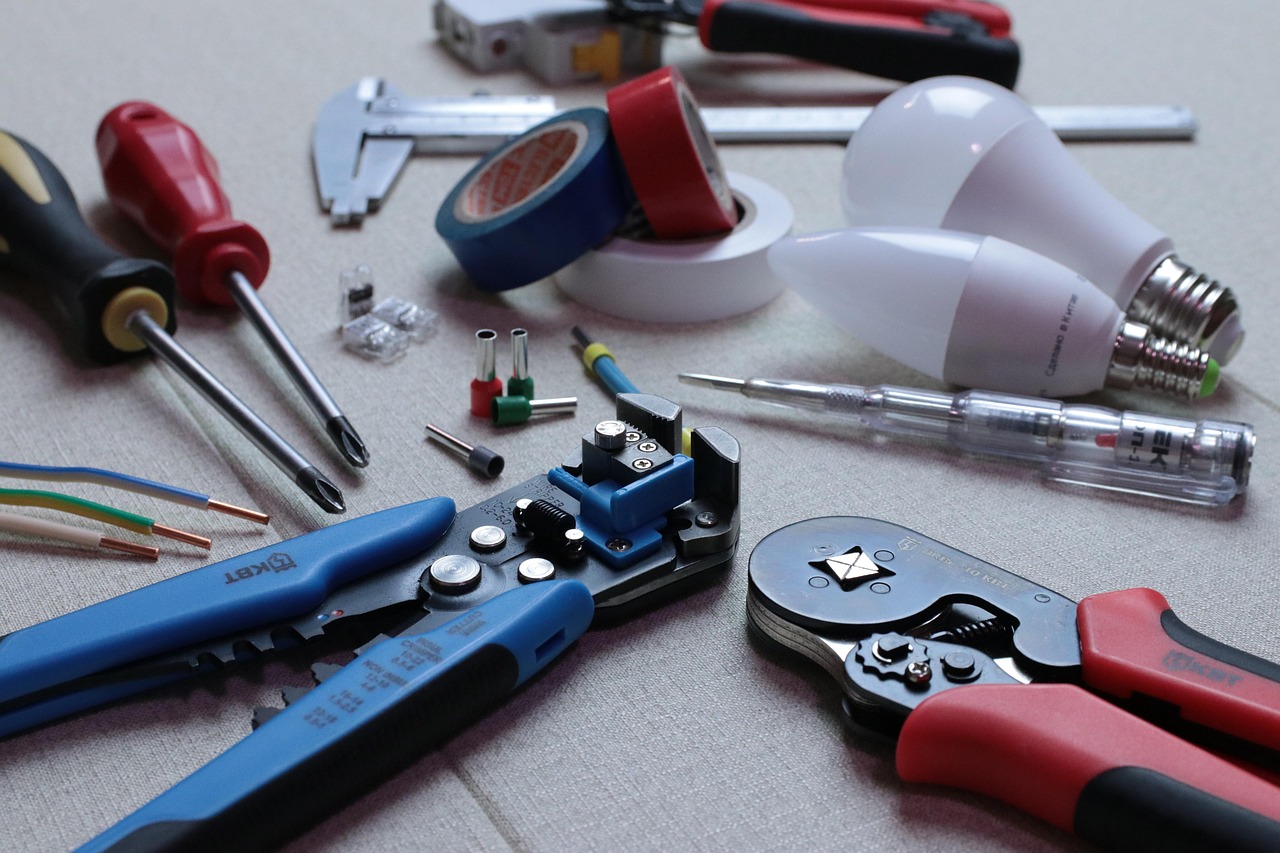
TL;DR: Home renovations can be exciting, but they also present significant electrical safety challenges. This guide explores best practices for ensuring safe electrical installations and repairs during home renovations in Tampa Bay, Florida, highlighting the importance of licensed professionals like affordable Tampa Bay electricians for your peace of mind.
Tampa Bay FL Electrician Services: Prioritizing Safety During Renovations
Renovating your home? In Tampa Bay, FL, where warm weather and sunlight can create unique electrical needs, it’s crucial to prioritize electrical safety from the start. Hiring a reputable Tampa Bay FL electrician service isn’t just about ensuring your lights turn on; it’s about safeguarding your family and your investment. This comprehensive guide delves into essential practices for safe electrical installations and repairs during your next renovation project.
Understanding Tampa Bay’s Unique Electrical Landscape
Before diving in, let’s consider the specific challenges of electrical work in Tampa Bay:
-
Climate: Our sunny, humid climate demands resilient wiring and systems that can withstand extreme conditions.
-
Growing Population & Construction: Rapid growth means an increasing demand for electricity, putting pressure on existing infrastructure. This often translates to more complex electrical landscapes during renovations.
-
Building Codes: Tampa Bay adheres to specific building codes for electrical work, designed to ensure safety. It’s vital to have electricians who are up-to-date on these regulations.
These factors underscore the importance of hiring a best licensed electrician Tampa Bay with experience navigating local conditions and code requirements.
Key Best Practices for Safe Renovations
1. Start with a Professional Inspection:
Before any renovation begins, schedule a thorough electrical inspection by a same-day electrician Tampa or nearby professional electricians. This evaluates your home’s existing wiring, identifying potential hazards and guiding necessary upgrades. An expert inspector can:
- Pinpoint outdated wiring or faulty components.
- Assess the capacity of your electrical system to handle added load from renovations.
- Recommend safety upgrades for older homes.
2. Plan for Adequate Electrical Capacity:
Ensure your home’s electrical system can support the increased demand from new appliances, lighting fixtures, and other renovation features. Overloaded circuits can lead to overheating, fires, and power outages. Discuss your plans with an electrician to:
- Identify areas prone to overloading (e.g., kitchens, bathrooms).
- Determine if circuit upgrades or additions are necessary.
- Explore modern electrical solutions like smart panels for improved efficiency.
3. Prioritize Grounding and Bonding:
Proper grounding and bonding protect you from electric shock and ground fault currents. Ensure these safety mechanisms are in place and functioning correctly, especially in areas prone to moisture:
- Grounding connects metallic components of electrical systems to the earth, diverting dangerous currents away from occupants.
- Bonding protects against voltage differences between metal objects that might come into contact with water.
4. Choose Qualified Electricians:
Hiring a nearby professional electrician you can trust is paramount for safety. Always verify their:
- Licenses and insurance coverage.
- Experience handling renovation projects similar to yours.
- Membership in industry associations (e.g., Electrical Contractors Association).
5. Use Safe Work Practices:
Once your electrician begins work, ensure they follow these best practices for safety:
- Turn off power at the main circuit breaker or fuse box before beginning any work.
- Use non-conductive tools and wear appropriate personal protective equipment (PPE), including gloves, eye protection, and insulated boots.
- Clearly communicate project details and potential disruptions to homeowners.
- Keep work areas clean, organized, and free of trip hazards.
6. Understand Permits and Inspections:
Many renovations require building permits, and electrical work almost always does. Ensure your electrician handles the necessary paperwork and coordinates with local inspections to avoid delays and fines.
Common Renovation Electrical Concerns and Solutions
Lighten Up: Lighting Options for Safe Renovations
- LED lighting: Efficient, durable, and cool-to-the-touch, LED lights are ideal for renovations. They reduce heat buildup and lower energy consumption.
- Motion sensors: These add convenience and safety by automatically turning lights on only when needed, saving energy in unused areas.
- Dimmable switches: Offer lighting control and flexibility while reducing the risk of electrical overloads.
Outlets and Receptacles: Powering Your Renovated Space
- GFCI (Ground Fault Circuit Interrupter) outlets: Essential in kitchens, bathrooms, and outdoor areas to protect against electric shock by automatically shutting off power if a ground fault is detected.
- Upgraded outlet spacing: Ensure adequate outlet placement for your renovation plans.
- Digital controls: Smart plugs and outlets allow for remote control and monitoring of energy usage.
Wiring Choices: Safety First
- Copper vs. Aluminum: Copper wiring is the standard for safety and reliability, while aluminum (though cheaper) requires special handling and connectors to prevent overheating.
- Type of Wiring: Different types like Romex or NM (non-metallic) have specific amp ratings and installation requirements. Your electrician will recommend the best option based on your project.
When to Call for Emergency Electrical Services
Despite careful planning, electrical emergencies can occur during renovations. Know the signs:
- Sudden loss of power.
- Sparking or burning odors.
- Flickering lights or outlets that overheat.
- Unusual noises from electrical equipment.
In such cases, emergency electrical services near me are crucial. Never attempt to fix a problem yourself – it could be life-threatening! Contact a 24/7 emergency electrician immediately.
Frequently Asked Questions (FAQs)
-
How do I know if my home needs a complete electrical reroute during renovation? An inspection by a licensed electrician is essential. They can assess your home’s wiring, identify capacity issues, and recommend necessary upgrades.
-
Are there any red flags I should look for when hiring an electrician? Ensure they have proper licensing, insurance, and experience handling renovation projects. Be wary of unprofessional behavior or unusually low quotes.
-
What happens if I encounter a problem during my renovation? Stop work immediately, disconnect power at the main breaker (if safe to do so), and contact a qualified electrician for assistance. Never attempt to fix problems yourself.
-
Can I save money by doing some electrical work myself? While DIY projects can be satisfying, electrical work is best left to professionals due to safety risks. Attempting to wire or repair incorrectly could lead to severe injuries or property damage.
-
How long should it take for an electrician to complete my renovation project? Project timelines vary based on complexity. Your electrician should provide a detailed estimate outlining expected completion times.
Conclusion
Renovating your Tampa Bay home is an exciting endeavor, but prioritizing electrical safety is non-negotiable. By following these best practices and engaging the services of a reliable Tampa Bay FL electrician, you can ensure a safe, enjoyable renovation experience that protects your family and your investment for years to come.
References
- Electrician near Tampa, FL | Better Business Bureau — www.bbb.org
- City of Tampa — www.tampa.gov