TL;DR: Struggling with flickering lights or circuit breakers tripping? Learn how to troubleshoot your home’s electrical panel safely and effectively with help from expert tips from a reliable Tampa Bay, FL electrician. Discover common issues, signs of trouble, and simple solutions to keep your home’s electrical system running smoothly.
Tampa Bay FL Electrician Services: Your Guide to Electrical Panel Troubleshooting
Electrical panels are the heart of your home’s electrical system, distributing power to every outlet, light, and appliance. When something goes wrong, it can leave your home in the dark or pose a serious safety risk. This guide, brought to you by Tampa Bay FL electrician services, will walk you through common electrical panel issues, how to identify them, and simple troubleshooting steps you can take—even if you’re not a licensed professional.
Understanding Your Electrical Panel
Before diving into troubleshooting, it’s important to understand the basic functions of your electrical panel:
- What It Does: The main purpose of an electrical panel is to control the flow of electricity throughout your home. It houses circuit breakers or fuses that protect against overloads by shutting off power when too much current flows through a circuit.
- How to Locate It: Usually, you’ll find your electrical panel in a utility room, basement, garage, or outside closet. Look for a metal box with a door that’s labeled "Electrical Panel."
- Types of Panels: Older homes may have fuse boxes, while newer homes typically feature circuit breaker panels. Both serve the same function but use different components to control power flow.
Common Electrical Panel Issues
Knowing the signs of common problems can help you identify and address issues before they escalate:
- Overloaded Circuits: This is one of the most frequent causes of electrical problems. Check for flickering lights, circuit breakers tripping frequently, or outlets that feel warm to the touch. Each circuit in your home should have a maximum load specified on the panel; don’t exceed this limit by plugging too many devices into one outlet.
- Faulty Wiring: Damaged or loose wiring inside the panel can cause arcing and spark, leading to fires. Look for signs of corrosion, exposed wires, or charred areas around circuit breakers or fuses.
- Old or Defective Fuses/Circuit Breakers: As components age, they can become faulty and fail prematurely. If your breaker keeps tripping or your fuse blows frequently, it might be time to replace them.
- Grounded Electrical System Issues: A ground fault occurs when there’s an imbalance between the current flowing through a circuit and the path it takes back to the source. This can result in shocks or electrical fires. You may notice outlets that don’t work or a distinct "zing" sound when you touch a metal object.
- Power Surges: Sudden spikes in electricity levels, often caused by lightning strikes or utility company issues, can damage sensitive electronic devices and cause circuit breaker tripping.
DIY Troubleshooting Tips for Simple Issues
For minor problems, homeowners can often troubleshoot and fix the issue themselves:
- Reset Circuit Breakers: If a circuit breaker trips, wait for the breaker to cool down (it will be warm to the touch) then flip it to the OFF position and back ON. This should reset the circuit.
- Replace Blown Fuses: Locate the faulty fuse, remove it from its slot using a fuse puller, and replace it with one of the same amperage rating. Make sure your electrical system is properly grounded for safety.
- Check Connections: Inspect all wires connected to the panel for loose connections or corrosion. Tighten any loose screw terminals and clean corrosion away from the wire ends if necessary.
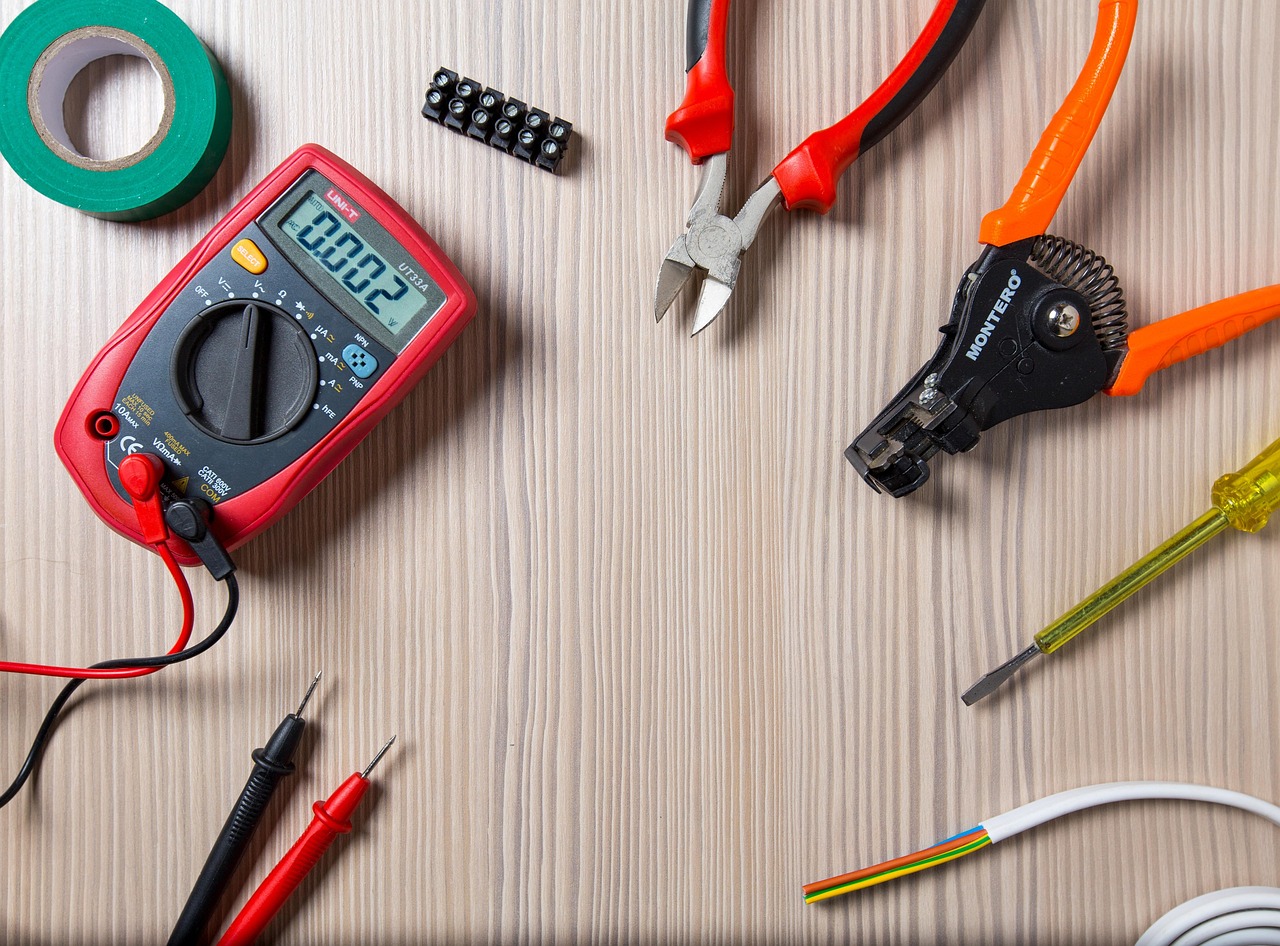
- Identify Overloads: Use a voltmeter to check outlet voltage, ensuring it’s within safe limits (usually 120-125 volts). If a particular circuit consistently reads higher, consider unplugging non-essential devices or spreading the load across multiple outlets.
- Test GFCI Outlets: Ground fault circuit interrupters (GFCIs) protect against shocks by cutting power if they detect an imbalance in current flow. Test these outlets regularly using the built-in test button to ensure they’re functioning properly.
When to Call a Professional Tampa Bay Electrician
While some basic troubleshooting is within the capabilities of most homeowners, more complex issues require the expertise of a licensed Tampa Bay electrician:
- Major Circuit Breaker Trips: If you experience frequent or widespread circuit breaker trips, especially after addressing simple issues, it could indicate a larger problem like faulty wiring.
- Fuse Issues in Older Homes: Fuse boxes require specialized knowledge to repair or replace safely, as incorrect procedures can be dangerous.
- Unusual Noises or Smells: Arcing, burning odors, or unusual sounds coming from your electrical panel are signs of potential problems that need professional attention.
- Voltage Fluctuations: Unstable voltage levels in your home could point to issues with the main power supply or distribution system, requiring expert evaluation and repair.
- Complex Wiring Upgrades: Rewiring or significant modifications to your electrical system should always be handled by a qualified electrician to ensure safety and code compliance.
Finding a Reputable Tampa Bay Electrician
When you need professional assistance, choosing a reputable electrician is crucial:
- Licensing and Insurance: Ensure the electrician is properly licensed by the state of Florida and carries comprehensive insurance coverage to protect both you and your property. Ask for proof before hiring them.
- Experience and Reputation: Look for electricians with extensive experience in residential electrical work, positive customer reviews, and a proven track record of reliable service.
- Clear Communication: A good electrician will listen carefully to your concerns, provide clear explanations of the problem, and offer different solution options along with estimated costs.
- Prompt Response: In an emergency, look for electricians who offer 24/7 emergency electrical services near me and respond quickly to your call.
Same Day Electrician Tampa: Prompt Service When You Need It Most
Many reputable Tampa Bay electrician services offer same-day appointments for emergencies or unexpected issues. This swift response can prevent further damage, ensure safety, and get your home’s electricity flowing again as soon as possible. Don’t hesitate to contact a licensed professional if you experience any of the following:
- Power outages lasting more than a few hours
- Frequent circuit breaker trips with no apparent cause
- Burning smells or visible signs of damage in the panel
- Sparking or arcing from outlets or switches
- GFCI outlets that are consistently tripping
FAQ About Electrical Panel Troubleshooting
Q: How often should I check my electrical panel?
A: While regular visual inspections are recommended, it’s best to leave detailed troubleshooting and maintenance to a professional electrician. They can perform an in-depth assessment annually or whenever you suspect a problem.
Q: What do I do if I smell something burning near the panel?
A: Turn off power to your home at the main circuit breaker immediately! Don’t touch any metal surfaces, as they may be live with electricity. Contact a licensed electrician right away; this could indicate serious wiring issues that need professional attention.
Q: Can I replace my own fuse or circuit breaker?
A: It’s generally safe to replace individual fuses and some types of circuit breakers yourself. Always follow safety precautions, use the correct amperage rating, and consult your home’s electrical plan if you’re unsure. For complex systems or after a major outage, it’s best to call a professional electrician.
Q: How can I tell if my home needs rewiring?
A: Signs of outdated wiring include frequent circuit breaker trips, blown fuses, flickering lights, and warmth or discoloration around outlets. If your home was built over 40 years ago, it might be wise to have a professional electrician assess the wiring for safety and code compliance.
Q: What are GFCI outlets and why are they important?
A: Ground fault circuit interrupters (GFCIs) are special types of outlets designed to protect against electrical shocks. They automatically shut off power if they detect an imbalance in current flow, preventing serious injuries or fatalities. GFCIs are required in kitchens, bathrooms, and other areas where water may come into contact with electricity.
Conclusion: Keep Your Home Safe and Lit
Troubleshooting your home’s electrical panel is a valuable skill to have, but remember that safety should always be your top priority. When faced with complex issues or uncertainty, don’t hesitate to reach out to Tampa Bay FL electrician services for expert assistance. By understanding common problems, knowing when to DIY, and recognizing the importance of hiring licensed professionals, you can ensure your home’s electrical system remains safe, reliable, and efficient for years to come.
References
- Electrician near Tampa, FL | Better Business Bureau — www.bbb.org
- HOME [tampajatc.org] — tampajatc.org