Facing electrical problems in your Tampa Bay home? This guide navigates common issues, offering a step-by-step approach to troubleshooting and solutions. From simple fixes to complex repairs, learn how to address concerns safely and efficiently with the help of reliable Tampa Bay FL electrician services. Discover tips for identifying problem areas, choosing the right professionals, and ensuring a secure electrical system for your home.
Tampa Bay FL Electrician Services: Your Comprehensive Solution for Common Electrical Issues
Introduction
Electrical issues can range from minor inconveniences to serious safety hazards. Whether you’re experiencing a power outage, flickering lights, or a faulty outlet, timely and professional assistance is crucial. This guide provides a roadmap to identifying and resolving common electrical problems in Tampa Bay homes, empowering you to take control of your property’s safety and functionality.
Let’s delve into the world of Tampa Bay FL electrician services, exploring how these professionals can transform potential headaches into seamless solutions. From emergency repairs to routine maintenance, we’ll uncover the secrets to a well-wired home.
Understanding Common Electrical Issues in Tampa Bay Homes
Before diving into solutions, it’s essential to grasp the most frequent electrical problems that Tampa Bay residents encounter:
1. Power Outages
Sudden power dips or complete blackouts can disrupt your daily routine. Causes range from weather-related events to utility company maintenance.
2. Flickering or Dimming Lights
Unsteady lighting can indicate loose connections, faulty switches, or issues with the electrical panel.
3. Overloaded Circuits
Too many appliances plugged into a single circuit can lead to overheating and potential fires. Circuit breakers tripping frequently may signal this problem.
4. Faulty Outlets
Outlets that don’t work or feel warm to the touch could be damaged, overloaded, or have a loose connection.
5. Old Wiring
Homes built decades ago might have outdated wiring, increasing the risk of electrical fires and reduced system efficiency.
Step-by-Step Guide to Troubleshooting and Solution
1. Identify the Issue
The first step is pinpointing the specific problem. Observe the symptoms:
- Is it a power outage affecting the whole house?
- Do lights flicker in specific rooms?
- Are certain outlets non-functional?
2. Safety First: Turn Off Power
Before attempting any repairs, ensure your safety by turning off the main circuit breaker or disconnecting the affected circuit at the fuse box. This prevents accidental electrocution during troubleshooting.
3. Check Basic Fixes
For minor issues, start with these simple remedies:
- Power Outage: Check outdoor power lines for damage and report any issues to your utility company.
- Flickering Lights: Replace dimmable light bulbs or check for loose connections at switches and outlets.
- Overloaded Circuits: Unplug non-essential appliances, use power strips with circuit protection, or consider upgrading circuits if frequently overloaded.
4. Inspect Wiring and Outlets
For more complex issues, a closer look at your wiring is necessary:
- Visual Inspection: Check for exposed wires, loose connections, or damaged insulation near outlets and switches.
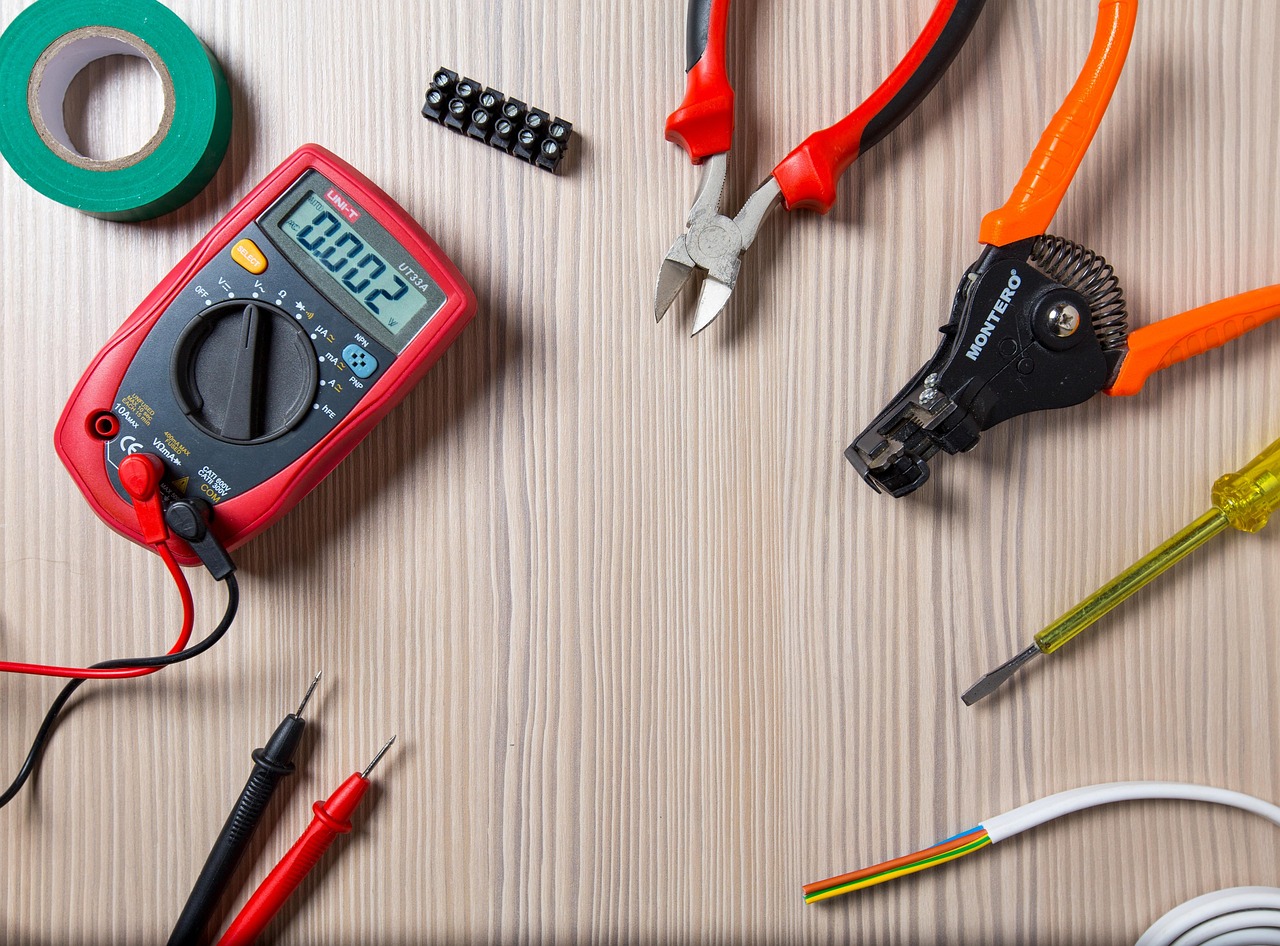
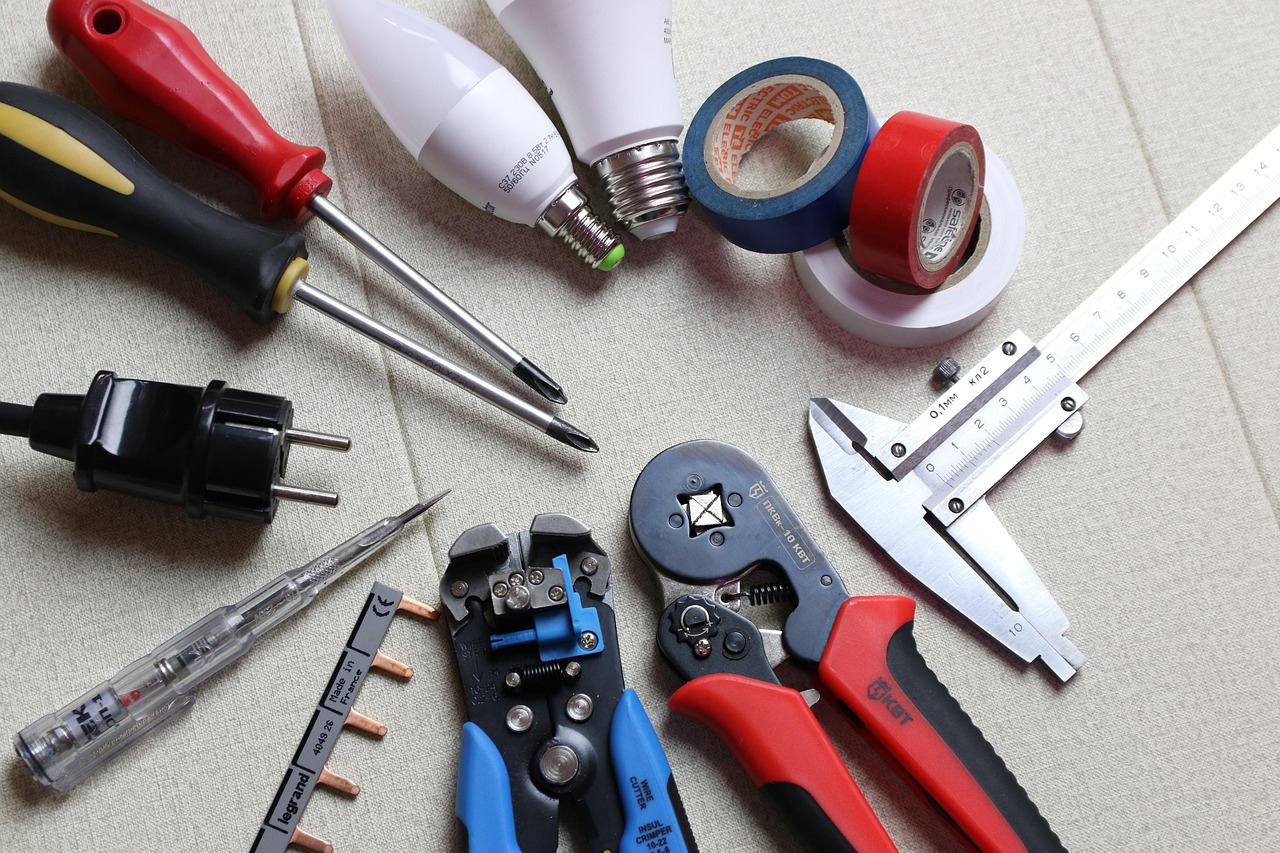
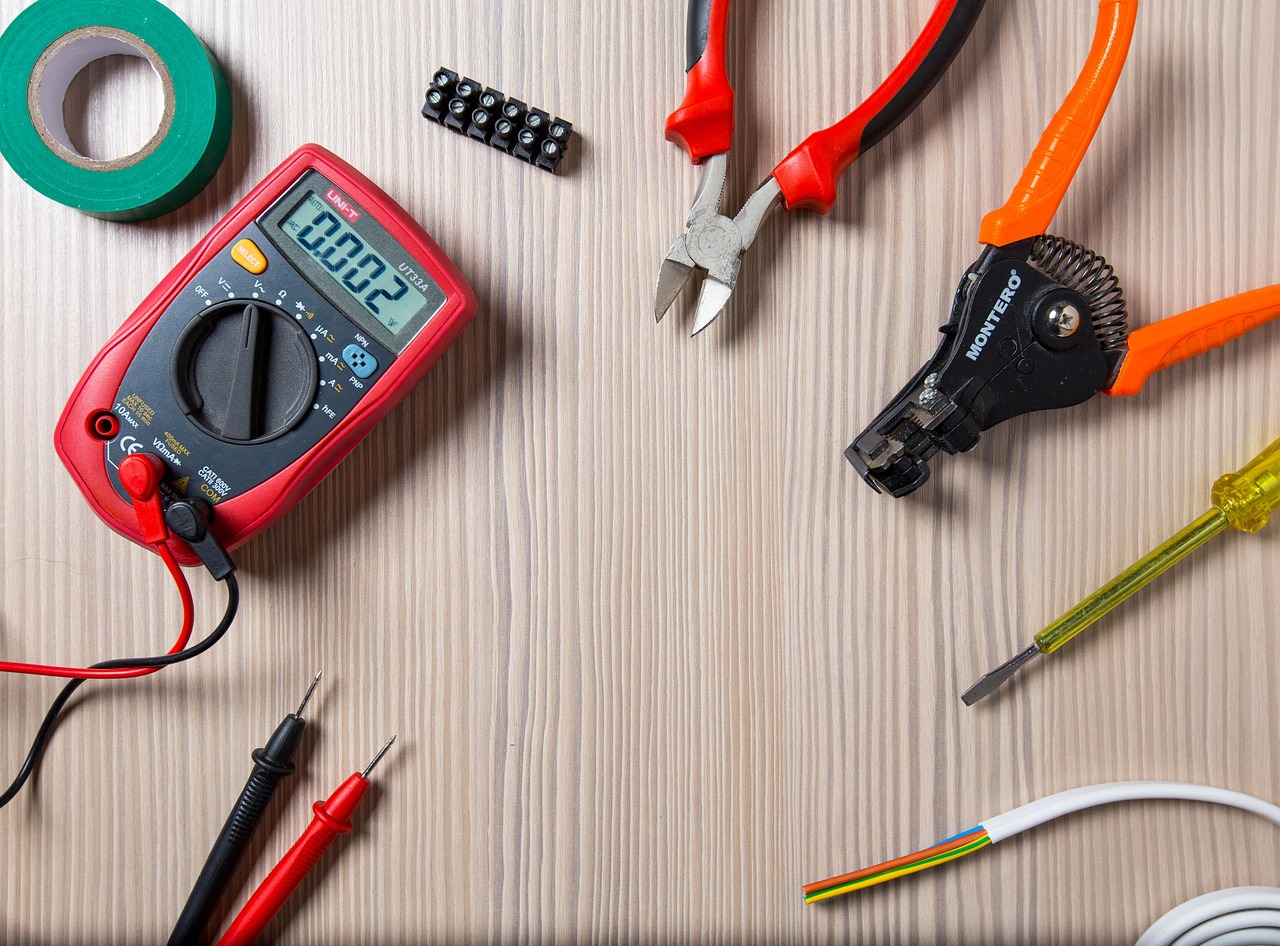
- Test Outlets: Use a voltage tester to confirm outlet functionality and identify faulty ones needing replacement.
- Old Wiring: Consider hiring an electrician to inspect and potentially upgrade your home’s electrical system if it appears outdated.
5. Call in the Pros: Finding a Reliable Tampa Bay Electrician
When issues exceed your comfort level or expertise, it’s time to engage professional electricians. Here’s how to find the best:
- Online Research: Look for licensed and insured Tampa Bay FL electrician services with positive customer reviews. Websites like Angie’s List and HomeAdvisor are excellent resources.
- Recommendations: Ask friends, family, or neighbors for referrals who have had successful electrical work done recently.
- Local Businesses: Check local hardware stores or building supply centers for recommended electricians.
6. Preparing for Your Electrician Visit
To ensure a productive visit:
- Document Issues: Keep a log of problems, including when they occur and where.
- Take Photos: Snap pictures of suspect wiring, outlets, or any damage. These visual aids can help the electrician pinpoint issues faster.
- Be Prepared to Discuss Solutions: Some electricians will offer recommendations during their initial inspection, allowing you to make informed decisions.
7. During the Inspection and Repair
When an electrician arrives:
- Ask Questions: Don’t hesitate to inquire about potential causes, repair methods, and estimated costs.
- Understand Recommendations: Electricians will assess your system and offer solutions tailored to your needs. Be clear on any concerns or preferences you may have.
- Agree on a Plan: Before work begins, confirm the scope of repairs, timeline, and pricing to avoid surprises.
8. Aftermath: Maintenance and Future Prevention
Once repairs are complete:
- Test New Work: Ensure all fixes function correctly and safely.
- Regular Maintenance: Schedule routine electrical inspections to catch potential problems early. Many electricians offer maintenance plans for peace of mind.
- Update Insurance: Review your home insurance policy, updating it as needed to reflect any electrical system upgrades.
Frequently Asked Questions (FAQ)
Q: How do I know if an electrical issue is safe to fix myself?
A: Unless you are a qualified electrician with experience, most complex electrical problems should be left to professionals. Simple fixes like replacing a blown fuse or a burned-out light bulb are generally safe for DIYers. However, always prioritize safety and consult a pro for any doubts.
Q: What should I do if my circuit breaker keeps tripping?
A: A frequently tripping circuit breaker suggests an overload or potential wiring issue. Turn off non-essential appliances, check for loose connections, and consider upgrading your circuit breaker box if necessary. If problems persist, contact a licensed electrician for expert diagnosis and repair.
Q: Can I save money by doing electrical work myself?
A: While DIY projects can be cost-effective for simple tasks, electrical repairs often require specialized tools and knowledge. Mistakes can lead to safety hazards or costly damage. Hiring a professional Tampa Bay FL electrician ensures the job is done right, saving potential future expenses and ensuring your home’s safety.
Q: How do I find an affordable yet reliable electrician?
A: Requesting quotes from several licensed electricians is key to finding affordability. Websites like HomeAdvisor or local trade associations can help you connect with reputable professionals offering competitive rates. Be sure to compare services, experience, and customer reviews before making a selection.
Q: What should I do in case of an electrical emergency?
A: In any emergency situation involving electricity, safety is paramount. Turn off power at the main breaker or disconnect affected circuits. Evacuate immediately if there’s a fire or strong odor of burning. Contact emergency electrical services near me for prompt assistance and avoid touching downed power lines.
Conclusion: Empowering You with Knowledge
Solving common electrical issues in Tampa Bay homes doesn’t have to be daunting. With the right knowledge, tools, and expert guidance, you can create a safe and efficient electrical environment. This guide equips you to identify problems, understand solutions, and make informed decisions when calling upon the best licensed electrician in Tampa Bay.
Remember, while DIY projects can be rewarding, electrical work demands specialized skills and safety precautions. Always prioritize your well-being and seek professional assistance for complex repairs. With the right team on your side, you’ll enjoy a hassle-free, securely wired home.
References
- Electrician near Tampa, FL | Better Business Bureau — www.bbb.org
- HOME [tampajatc.org] — tampajatc.org