TL;DR: Are you dealing with flickering lights, circuit breakers tripping, or power outages in your Tampa Bay home? This guide provides expert advice on troubleshooting common electrical panel issues. Learn about safety precautions, identifying problem causes, and when to call a professional electrician for reliable and affordable Tampa Bay FL electrician services.
Introduction: Unlocking the Secrets of Your Home’s Electrical Panel
The electrical panel is the heartbeat of your home’s electrical system. Understanding its fundamentals and knowing how to troubleshoot common issues can save you from costly repairs and potential hazards. Whether you’re experiencing power outages, flickering lights, or recurring circuit breaker trips, this guide equips you with the knowledge to identify and resolve problems before they escalate. Plus, we’ll connect you with affordable Tampa Bay electrician services for expert assistance when needed.
Understanding Your Electrical Panel: A Homeowner’s Guide
Your electrical panel is a crucial component of your home’s wiring system. It acts as the main distribution point for electricity, sending power to different circuits throughout your house. Let’s explore its key components and functions:
Essential Parts of an Electrical Panel:
-
Circuit Breakers: These safety devices protect your electrical system from overloads by interrupting power flow when a circuit draws too much current. Each breaker controls a specific circuit, allowing you to isolate problematic areas.
-
Fuses: While less common in modern homes, fuses serve the same purpose as circuit breakers – protecting circuits from overload. Fused connections require replacement if they blow, while circuit breakers can be reset.
-
Wiring: The electrical cable running to each breaker connects to your home’s wiring system, distributing power to outlets, switches, and fixtures.
-
Main Neutral Bus: This component carries the return current from your appliances back to the power source.
How an Electrical Panel Works:
Electricity enters your home through a main power line connected to the electric company’s grid. It flows into the electrical panel, where it’s distributed through circuit breakers or fuses to various circuits serving different areas of your house. When a circuit draws too much current, the breaker trips (or fuse blows), cutting off power to that specific circuit until the problem is addressed.
Troubleshooting Common Electrical Panel Issues: A Step-by-Step Guide
Armed with knowledge about your electrical panel, you can now tackle common issues. Here’s how:
1. Identify the Problem:
Before acting, pinpoint the specific symptom – flickering lights, frequent breaker trips, or a complete power outage. Note which circuits are affected and any patterns indicating recurring problems.
2. Check for Overloads:
One of the most common causes of electrical panel issues is circuit overload. Look for plugged-in appliances drawing significant power (like air conditioners, heaters, or high-wattage tools) on circuits that frequently trip breakers. Unplug non-essential devices to relieve pressure on overloaded circuits.
3. Inspect for Loose Connections:
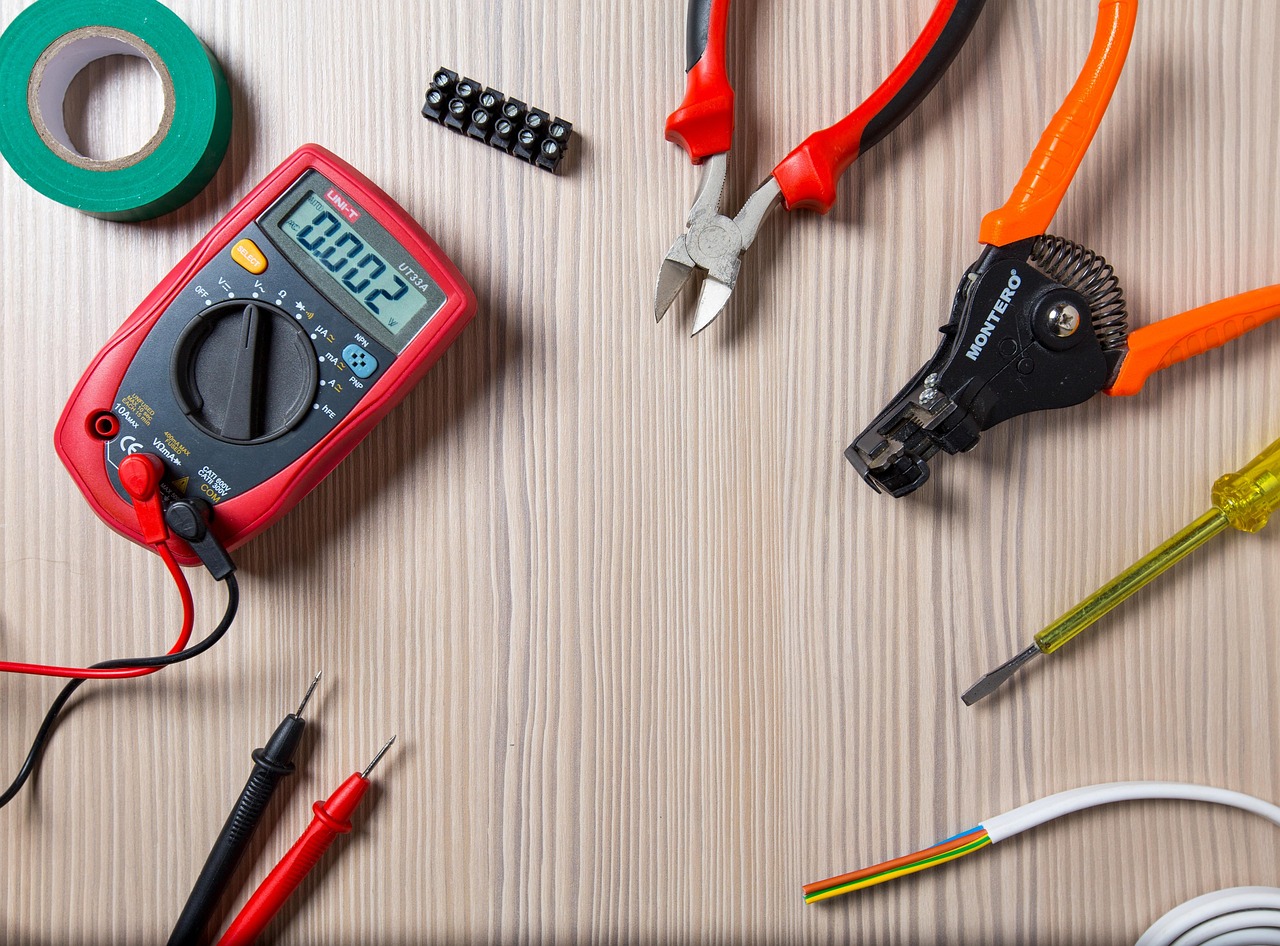
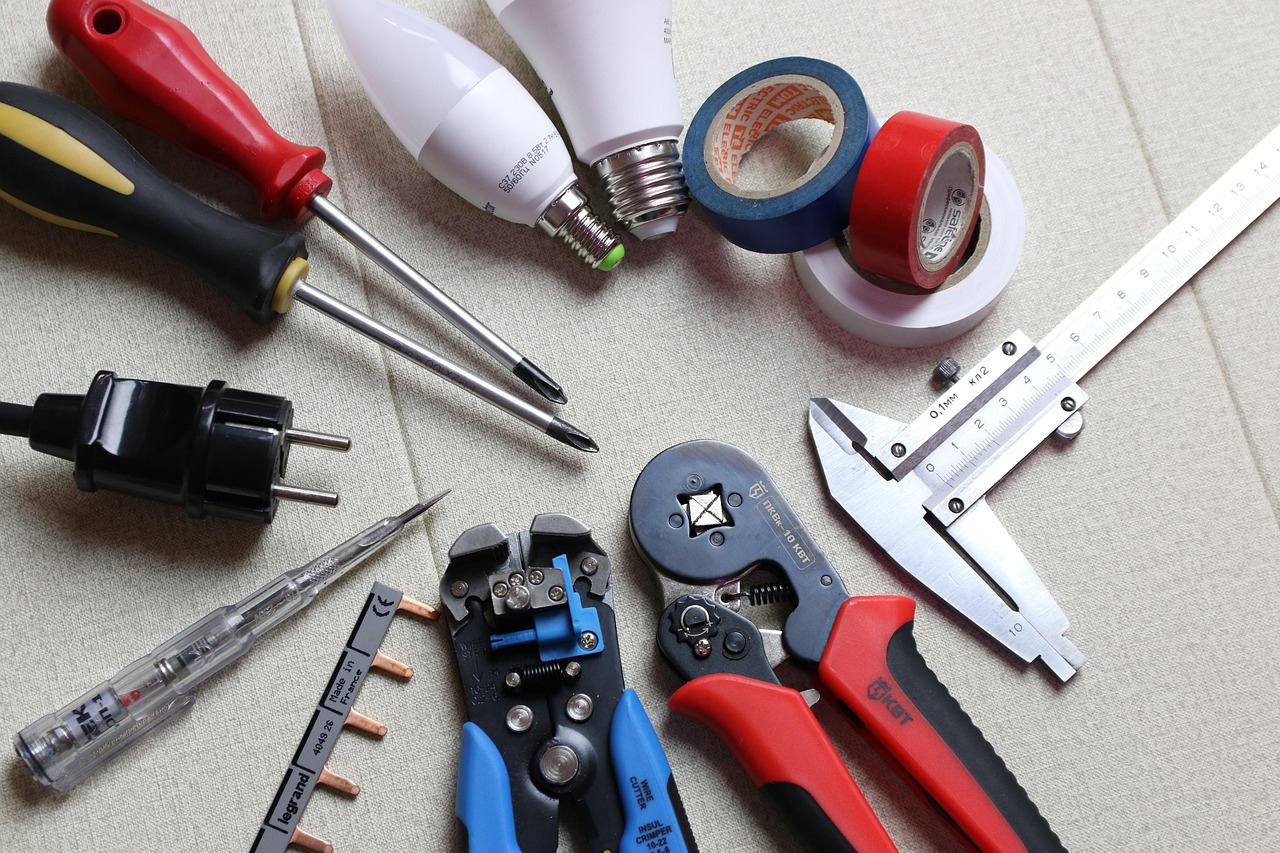
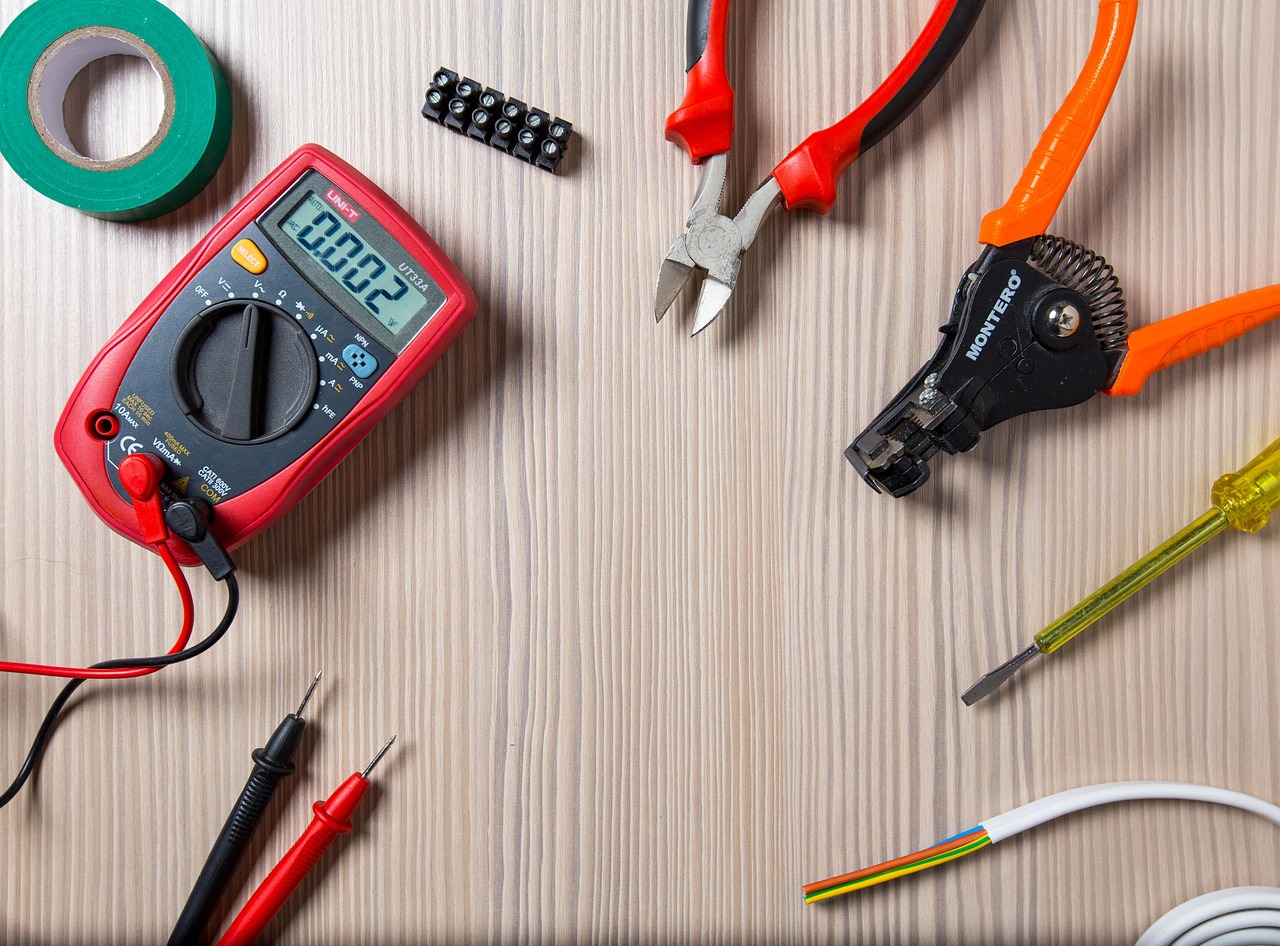
Use a voltage tester to ensure all connections within your panel are secure. Loose connections can cause intermittent power flows and lead to arcing, which trips breakers or blows fuses.
4. Verify Grounding:
Proper grounding ensures the safe dissipation of electrical current in case of a fault. Check that your panel’s grounding rod is intact and connected with a tight bond to the grounding busbar within the panel.
5. Inspect for Damage or Wear:
Examine breakers, fuses, and wiring for signs of damage, corrosion, or wear. Replace any damaged components immediately to prevent further issues.
When to Call a Professional Electrician: Prioritizing Safety and Expertise
While minor troubleshooting is within many homeowners’ capabilities, some situations require the expertise of a licensed Tampa Bay electrician.
- Frequent breaker trips or power outages: Persistent problems indicate a deeper issue that may involve faulty wiring or overloads beyond your control.
- Noob to electrical systems: If you lack experience working with electrical panels, avoid putting yourself at risk by attempting complex repairs. Leave these jobs to certified professionals.
- Complex upgrades or renovations: Major electrical work, such as adding new circuits, installing solar panels, or upgrading to a smart home system, requires specialized knowledge and adherence to safety codes.
Finding Reliable Tampa Bay Electrician Services: Tips for Success
Choosing the right electrician is crucial for ensuring quality workmanship and safety. Here’s how to find the best licensed electrician in Tampa Bay:
- Ask for referrals: Recommendations from friends, family, or neighbors are invaluable.
- Check online reviews: Websites like Angie’s List, Google Reviews, and Better Business Bureau provide insights into an electrician’s reputation and customer satisfaction.
- Verify licensing and insurance: Ensure the electrician is properly licensed and insured to protect yourself from liability. You can check this information with your state’s licensing board.
- Compare quotes: Obtain multiple estimates from different electricians to ensure you’re getting a fair price for quality work.
Frequently Asked Questions (FAQs):
1. How much does it cost to have an electrician troubleshoot my electrical panel?
The cost varies depending on the complexity of the problem and the electrician’s rates. A basic troubleshooting visit usually starts around $75-$100, while more complex issues may incur higher fees. Always get quotes from multiple electricians for accurate pricing.
2. Can I reset my circuit breaker myself if it keeps tripping?
Yes, you can often reset a tripped breaker by switching it off at the panel and then back on. However, recurring trips indicate an underlying problem that needs to be diagnosed and fixed by a qualified electrician.
3. What happens if I try to work on my electrical panel without proper training?
Working on live electrical wiring is extremely dangerous and can lead to serious injury or even death. Only licensed electricians have the knowledge, tools, and protective gear to safely address electrical issues.
4. How quickly should I call an electrician for emergency service?
If you experience a power outage, flickering lights, or smells of burning, immediately contact an electrician for emergency electrical services near me. These are signs of potential hazards that require prompt attention.
5. What can I do to prevent future electrical panel problems?
Regular maintenance is key. Inspect your panel periodically for loose connections, corrosion, and damage. Limit circuit loads, unplug unused appliances, and ensure proper grounding. Keeping these practices in mind will contribute to a safe and reliable electrical system.
Conclusion: Empowering You with Knowledge
Understanding your Tampa Bay FL electrician services options and knowing how to troubleshoot basic electrical panel issues empowers you to maintain a safer, more efficient home environment. While minor problems may be addressed by homeowners, complex situations or recurring issues require the expertise of licensed professionals. Remember to prioritize safety, always seek reliable sources for service providers, and reach out when you need affordable Tampa Bay electrician assistance.
References
- Electrician near Tampa, FL | Better Business Bureau — www.bbb.org
- HOME [tampajatc.org] — tampajatc.org