TL;DR: Learn how to identify common electrical problems in your Tampa Bay home and when to trust Tampa Bay FL electrician services for safe, effective solutions. From power outages to faulty outlets, this guide equips you with the knowledge to keep your home’s electrical system running smoothly.
Introduction: Navigating Tampa Bay’s Electrical Challenges
Living in beautiful Tampa Bay comes with many advantages, but it also presents unique electrical challenges. From unpredictable weather to rapidly growing populations, homeowners here often face power outages, aging electrical systems, and ever-evolving building codes.
This comprehensive guide aims to empower Tampa Bay residents to identify common electrical issues, understand when to seek professional help, and access affordable Tampa Bay electrician services for reliable solutions.
Common Electrical Issues in Tampa Bay Homes
Understanding the most prevalent problems can help you recognize when a skilled electrician is needed. Here are some common electrical concerns homeowners in the Tampa Bay area may encounter:
1. Power Outages & Fluctuating Voltage
Sudden power outages and inconsistent voltage are not uncommon due to weather-related events or utility company maintenance. While minor fluctuations might not require immediate attention, persistent issues can signal a problem with your electrical panel, wiring, or connections.
2. Faulty Outlets & Switches
Blown fuses or tripped circuit breakers often indicate a problem with overloaded circuits, faulty wiring, or outdated electrical systems. Unreliable outlets and switches pose safety hazards and can lead to damaged appliances.
3. Overloaded Circuits
An excessive number of devices plugged into one circuit can cause overheating, leading to blown fuses or tripped breakers. This is a fire hazard and requires re-wiring or installation of additional circuits by a licensed electrician.
4. Old Wiring & Outdated Electrical Panels
Homes built decades ago may have outdated wiring and electrical panels that don’t meet current safety standards. These can include aluminum wiring, old fuse boxes, or inadequate circuit capacity. Upgrading these components is crucial for safety and energy efficiency.
5. Lighting Issues
Fluorescent lights that flicker, dimming fixtures, or burnt-out bulbs might indicate problems with ballasts, wiring connections, or even the electrical panel.
When to Call a Professional Electrician in Tampa Bay
While some minor troubleshooting may be manageable for DIY enthusiasts, safety and complex electrical issues always require professional attention.
Here are clear signs it’s time to find an electrician near you in Tampa Bay:
- Power Outages Beyond 24 Hours: Prolonged outages often signal a larger problem requiring expert repair.
- Scent of Burning or Gases: This could indicate overheating, wiring issues, or gas leaks – immediate professional assistance is crucial.
- Fuses Keep Blowing or Circuit Breakers Keep Tripping: Repeated tripping suggests an overloaded circuit or underlying wiring problem.
- Outlets or Switches Feel Warm to the Touch: Overheating outlets and switches are a serious safety hazard requiring immediate attention from a qualified electrician.
- Old Wiring, Outdated Panels, or Major Renovations: Upgrading electrical systems is best left to licensed professionals for safety and code compliance.
Tampa Bay FL Electrician Services: What to Look For
When selecting an electrician in the Tampa Bay area, consider these key factors:
- Licensing & Insurance: Ensure they hold valid licenses and carry adequate insurance coverage to protect against potential damages.
- Experience & Specialization: Choose a company with experience handling your specific issue, be it residential wiring, electrical panel upgrades, or emergency repairs.
- Reputation & Reviews: Research online reviews and ask for references to gauge their professionalism and work quality.
- Transparency & Pricing: Request detailed quotes, understand the scope of work, and avoid hidden fees. Reputable electricians provide upfront pricing.
Step-by-Step Guide to Solving Common Electrical Issues
While professional assistance is often necessary, some minor issues can be addressed with these step-by-step solutions:
1. Resetting a Tripped Circuit Breaker
Safety First: Always turn off power at the main breaker before working with electrical components.
- Locate and identify the tripped breaker.
- Use a pair of needle-nose pliers to reset the breaker by moving it back to the "off" position and then firmly returning it to "on."
- If it trips again immediately, there may be an underlying problem requiring professional attention.
2. Replacing a Blown Fuse
Safety First: Similar to circuit breakers, always turn off power at the main breaker before replacing a fuse.
- Locate the faulty fuse panel and identify the blown fuse.
- Remove the old fuse by unscrewing it from its slot using a small screwdriver.
- Install a new fuse of the same amperage rating as the removed one.
Important Note: Never install a fuse with a higher amperage rating, as it could lead to overheating and potential fire hazards.
3. Testing Electrical Outlets & Switches
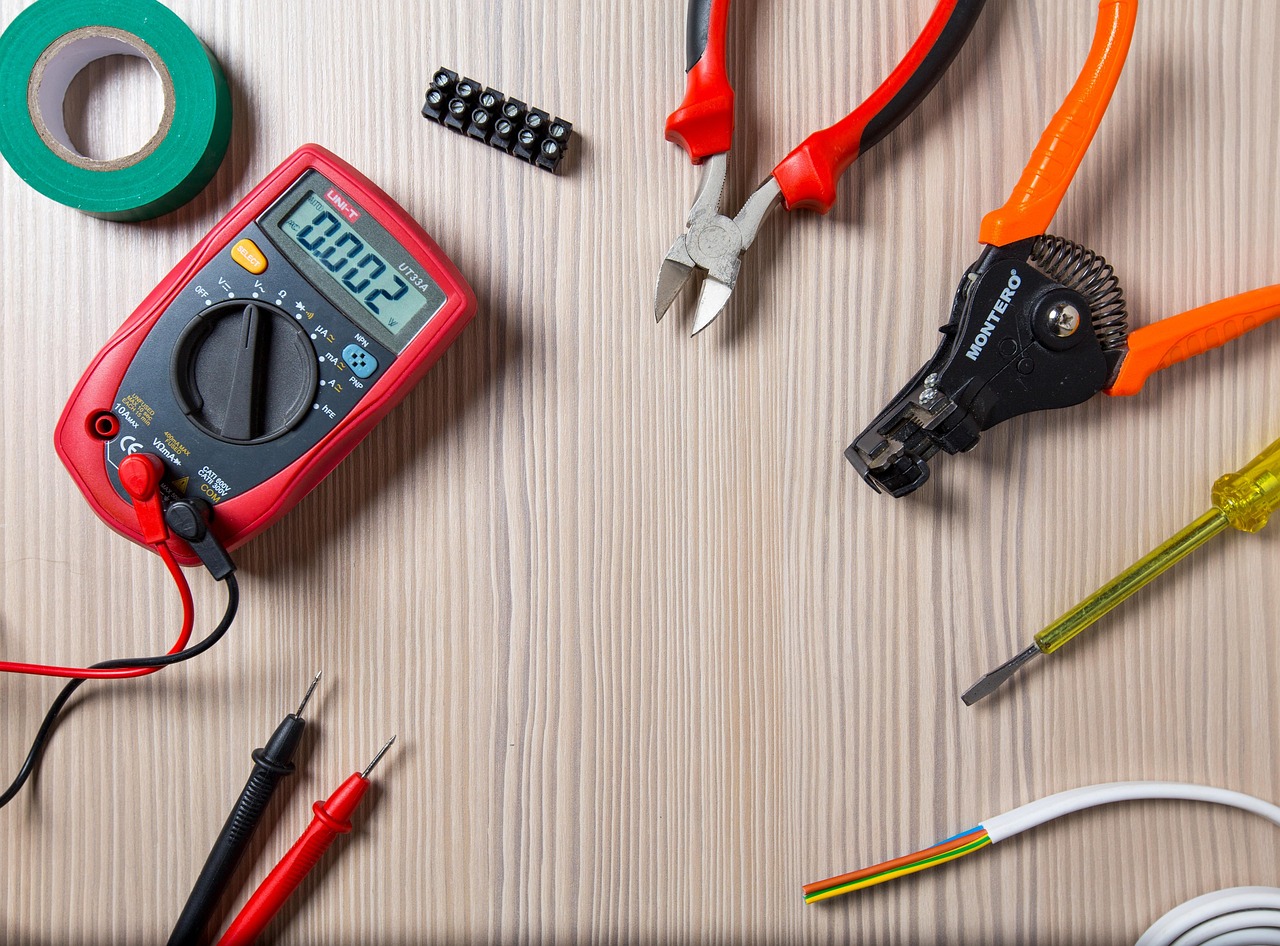
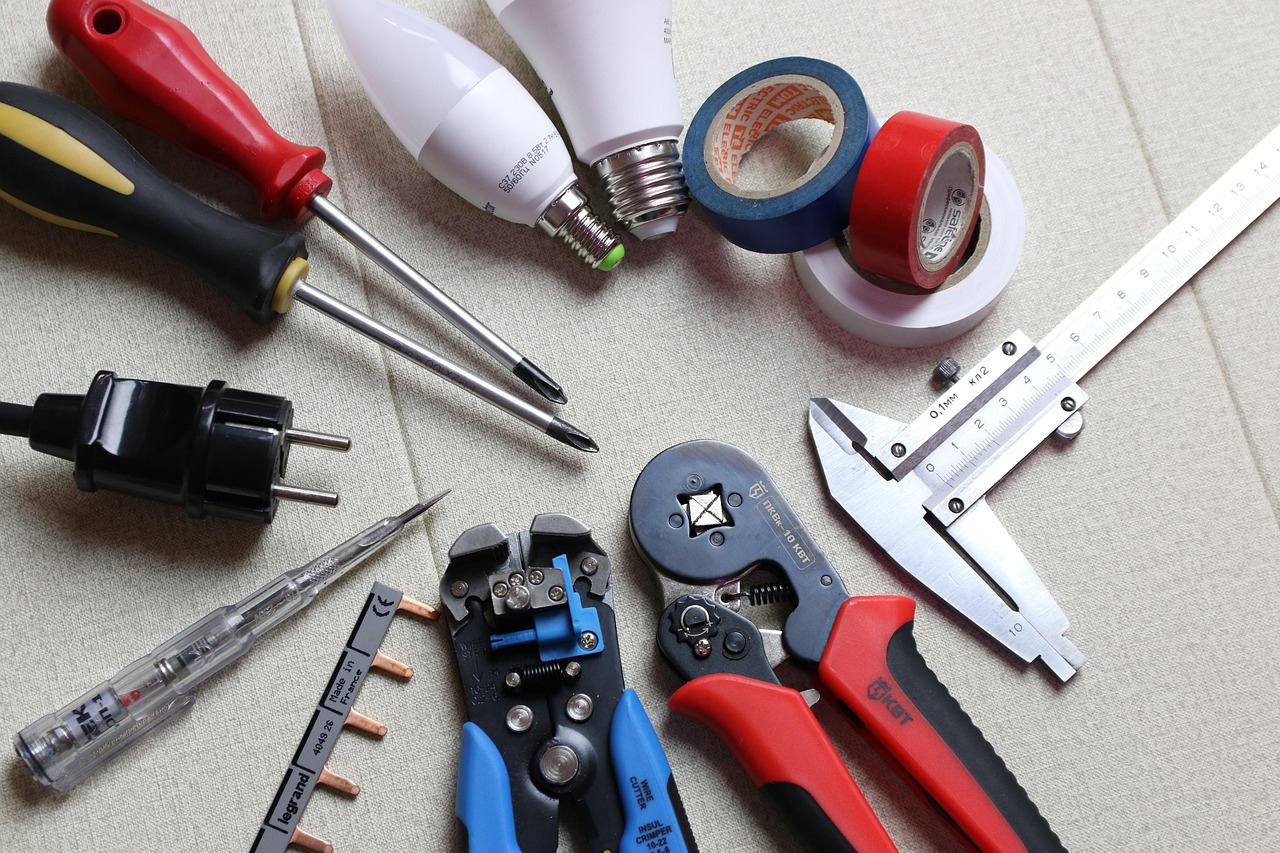
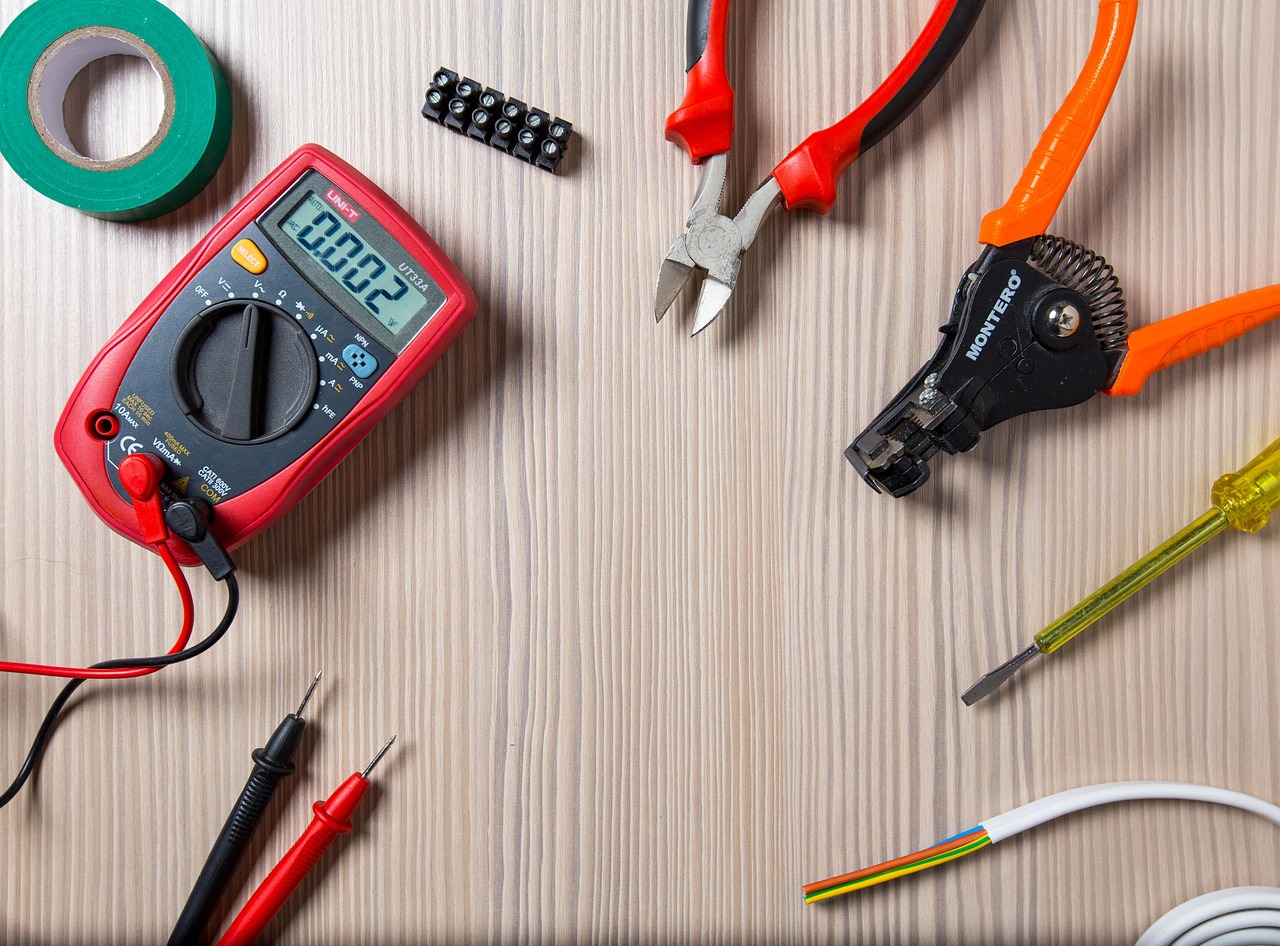
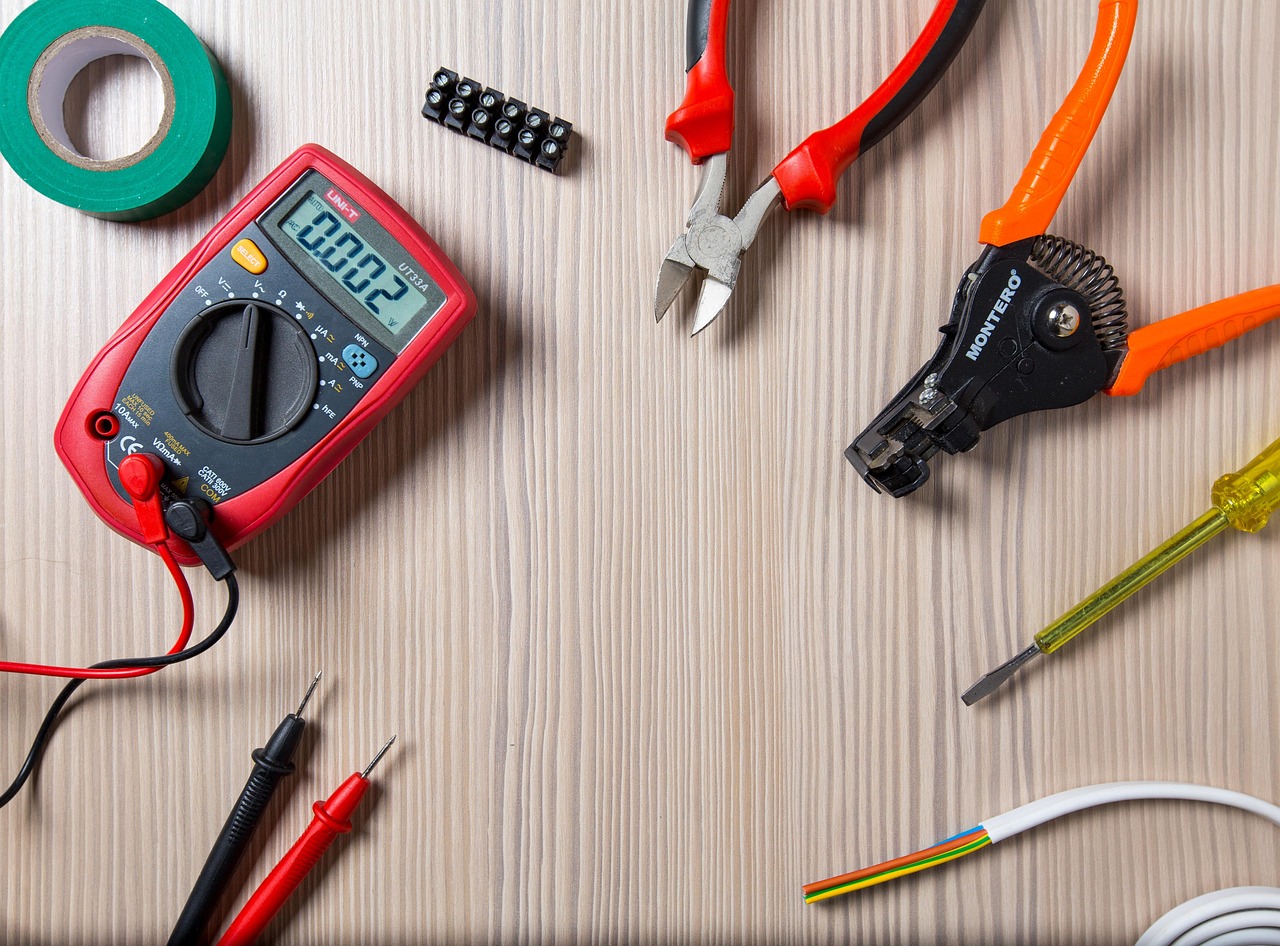
Regularly test outlets and switches for functionality using a voltage tester (multimeter).
- Ensure power is off at the main breaker.
- Touch one probe of the multimeter to the metal outlet box and the other to an ungrounded wire connected to the circuit.
- If you get a reading, the outlet is functioning properly.
Frequently Asked Questions (FAQs)
-
How do I know if my home needs an electrical panel upgrade?
Older homes may require panel upgrades if they have: overloaded circuits, outdated fuses or breakers, or no ground fault circuit interrupter (GFCI) outlets. A qualified electrician can assess your system and recommend the best course of action. -
What should I do during a power outage lasting several days?
Conserve energy by turning off non-essential appliances and lighting. Use flashlights or battery-powered lanterns instead of candles. Contact your utility company for updates and expect service restoration within 24-48 hours, depending on the severity of the outage. -
How can I prevent electrical fires in my home?
- Regularly inspect outlets and switches for wear and damage.
- Never overload circuits with too many appliances.
- Use surge protectors to safeguard electronics from voltage spikes.
- Keep flammable materials away from electrical panels, outlets, and heaters.
-
Are there any safety precautions I should take when working with exposed wires?
NEVER touch exposed wires. Power can be present even if a breaker is turned off. Always assume the line is live and turn off power at the main breaker before working near wiring. If you’re unsure, contact a licensed electrician for assistance. -
How much does it cost to hire an electrician in Tampa Bay?
Pricing varies based on the complexity of the job, time required, and materials needed. Get detailed quotes from multiple licensed electricians in Tampa Bay for accurate comparisons.
Conclusion: Keeping Your Tampa Bay Home Safe & Electrified
By understanding common electrical issues and when to call a same day electrician Tampa or best licensed electrician Tampa Bay, you can ensure the safety and reliability of your home’s electrical system. Remember, electricity is powerful and potentially dangerous – always prioritize professional guidance for complex repairs. With the right knowledge and resources, you’re empowered to maintain a safe, comfortable living environment in beautiful Tampa Bay.
References
- Electrician near Tampa, FL | Better Business Bureau — www.bbb.org
- BBB Accredited Electrician near Tampa, FL | Better Business … — www.bbb.org