TL;DR:
Need help with electrical panel troubleshooting? This comprehensive guide, crafted by experienced Tampa Bay, FL electrician services professionals, offers practical tips and insights to identify common issues and keep your home safe. From identifying tripped breakers to understanding circuit overloads, learn how to navigate your electrical panel like a pro.
Introduction: The Importance of Electrical Panel Troubleshooting
In the heart of every home lies a crucial component often overlooked: the electrical panel. This unsung hero distributes power throughout your residence, ensuring the smooth operation of lights, appliances, and electronics. When something goes awry, it’s essential to understand how to troubleshoot your electrical panel effectively. Whether you’re dealing with a power outage, flickering lights, or overheating circuits, knowing what to look for can save you time, money, and potentially prevent hazardous situations.
This guide, provided by the best licensed electrician Tampa Bay has to offer, will equip you with the knowledge to identify and address common electrical panel issues, promoting safety and peace of mind in your home. Let’s dive in and explore these expert tips for troubleshooting your Tampa Bay FL electrician services.
Understanding Your Electrical Panel: A Primer
What is an Electrical Panel?
Your electrical panel, also known as a breaker box or circuit breaker panel, acts as the central control point for the electrical systems in your home. It contains circuit breakers or fuses that protect each circuit from overloading and short circuits. By tripping (or blowing) a breaker, it disconnects the specific circuit, preventing potential damage to wiring and appliances.
Common Electrical Panel Issues: What to Look For
- Overloaded Circuits: Circuits carrying more load than they’re designed for can cause overheating, leading to potential fires or circuit damage. Signs include flickering lights, outlets that don’t work, or the smell of burning.
- Tripped Breakers: Frequent breaker trips indicate underlying issues like faulty wiring, loose connections, or high electrical demands. Keep an eye on breakers that constantly trip and consider consulting a professional electrician for an inspection.
- Water Damage: Moisture intrusion into the panel can cause severe problems. Look for signs of water leakage, corrosion, or discolored components. These issues require immediate attention from a licensed Tampa Bay electrician.
- Worn Out Fuses: Old or incorrect fuses can fail, leaving circuits unprotected. If you suspect this, it’s best to replace them with the appropriate fuse rating.
Step-by-Step Guide to Troubleshooting Your Electrical Panel
1. Identify the Issue: Signs and Symptoms
The first step in troubleshooting is recognizing what your electrical panel is trying to tell you. Here are some common signs of problems:
- Flickering or Dim Lights: This could indicate an overloaded circuit, especially if it occurs with specific lights or appliances.
- Outlets That Don’t Work: A dead outlet may suggest a tripped breaker, loose connection, or damage to the wiring.
- Smell of Burning: The odor of burning insulation or plastic is a clear sign of overheating and should prompt immediate action.
- Tripping Breakers Consistently: If breakers keep tripping, it’s likely due to an underlying electrical fault that requires professional attention.
2. Check Breaker Status: Is It Tripped?
Locate your electrical panel and open the door to inspect the breakers. Each breaker represents a different circuit in your home. If a breaker is in the "off" or tripped position, it has interrupted power to that specific circuit.
- Resetting Breakers: If you believe the issue is isolated to one circuit and there are no signs of damage, you can attempt to reset the breaker by moving it to the "on" position and then back to "off." Be cautious, as continuous tripping may indicate a serious problem.
3. Investigate Overloaded Circuits:
Overloading occurs when too many appliances or lights are connected to a single circuit, exceeding its capacity. This can cause overheating and potential fire hazards.
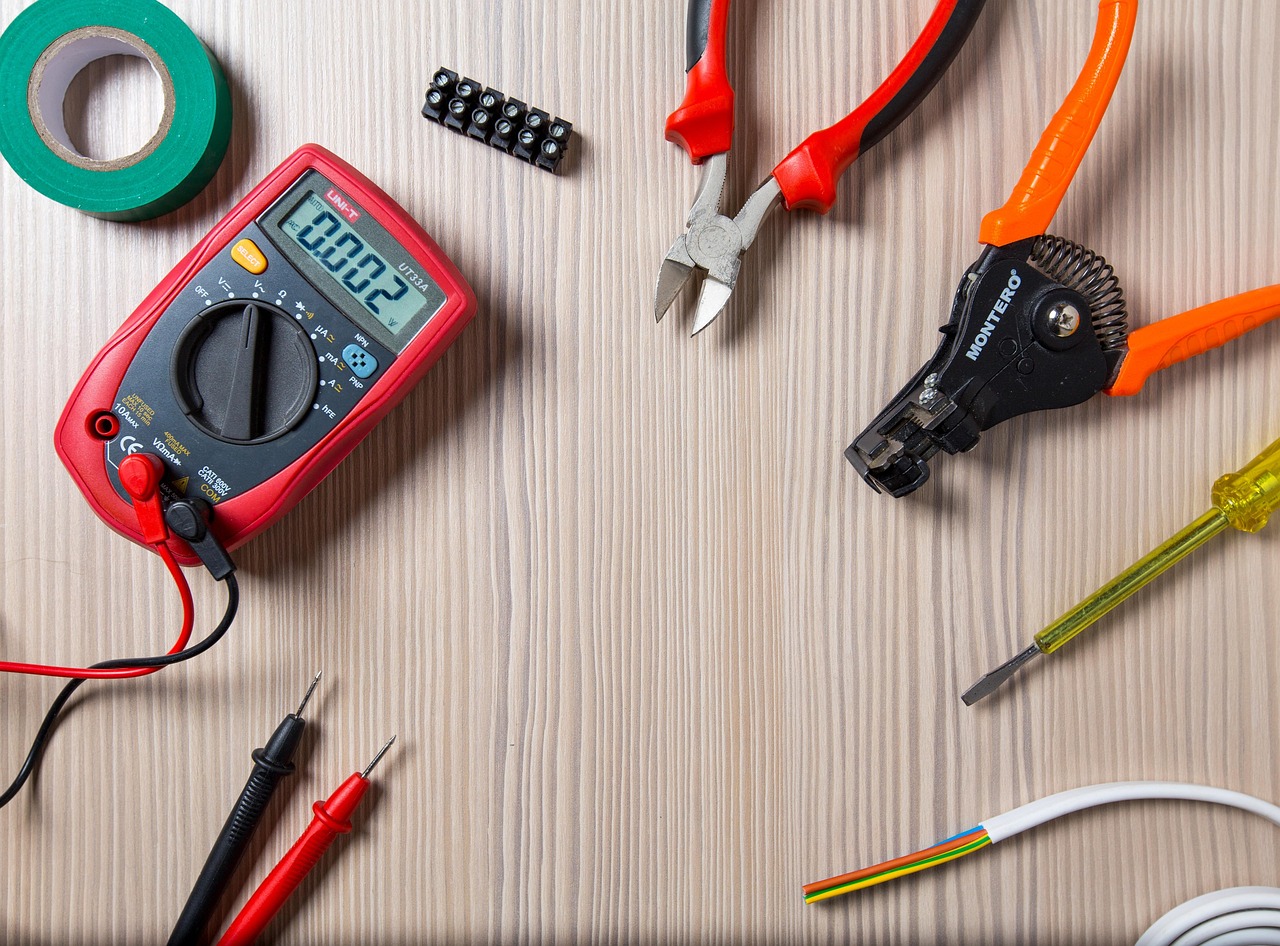
- Identify the Culprit: Check which outlets or lights are associated with the overloaded circuit by examining the breaker label (if applicable) or using a voltage tester.
- Reduce Load: Unplug non-essential appliances or move them to different circuits, especially high-power devices like air conditioners, heaters, or electric stoves.
- Consider Upgrading: For homes with outdated wiring, upgrading to a larger electrical service may be necessary to accommodate modern appliance demands. A Tampa Bay electrician can assess and recommend the best solution.
4. Address Water Damage:
Moisture intrusion into your electrical panel is a serious matter that requires immediate attention from a professional electrician near you.
- Inspect for Leaks: Look for any visible signs of water damage, such as leaked pipes or ceiling stains, around the panel.
- Dry Out and Replace: If there’s evidence of moisture, shut off power to the entire panel (main breaker), dry out the area, and replace damaged components or wiring. Never attempt to work on a damp electrical panel.
5. Handle Faulty Wiring:
Loose connections or faulty wiring are common causes of tripped breakers and can lead to serious safety risks if left unattended.
- Visual Inspection: Check for any signs of damage, corrosion, or exposed wires.
- Tighten Connections: If you identify loose connections, use a voltage tester before tightening them with pliers. Ensure all connections are secure.
- Replace Wiring: Damaged or old wiring should be replaced by a qualified electrician to ensure safety and prevent future issues.
When to Call for Professional Help
Not all electrical panel troubles can be DIY’d. Some situations demand the expertise of a licensed Tampa Bay electrician:
- High Voltage Issues: Working with high voltage carries inherent risks. If you suspect a problem but feel uncomfortable handling it, don’t take chances—call a professional.
- Major Repairs: Significant repairs, especially after water damage or severe weather, should be left to experienced electricians to ensure the work is done safely and correctly.
- Outdated Wiring: Older homes may have outdated wiring that requires upgrading. A qualified electrician can assess and recommend the best course of action for modernizing your home’s electrical system.
- Complex Circuits: If you’re unsure about a circuit’s purpose or how to manage it, consult an electrician to avoid unintended consequences.
Frequently Asked Questions (FAQs)
Q: How do I know which breaker controls what in my panel?
A: Many breakers have labels indicating the specific outlets or rooms they serve. If not labeled, you can use a voltage tester to trace the circuit and identify connected devices.
Q: What should I do if an outlet is warm to the touch?
A: Warm outlets are usually normal, but hot ones could indicate a problem. Turn off power to the outlet and contact a professional electrician to inspect it.
Q: Can I replace a faulty breaker myself?
A: While replacing breakers may seem straightforward, it’s best left to an electrician, especially for larger panels or complex wiring configurations. They have the tools and knowledge to ensure safety.
Q: How often should I check my electrical panel?
A: Regular inspections are recommended, especially in older homes. Aim to check your panel at least once a year and after severe weather events to ensure everything is functioning correctly.
Conclusion: Prioritize Safety with Proactive Care
Effective electrical panel troubleshooting is an essential skill for any homeowner. By understanding common issues and following the tips outlined in this guide, you can keep your home safe and reduce the risk of power outages or circuit damage. Remember, some problems require professional attention, so don’t hesitate to reach out to a reliable and affordable Tampa Bay electrician when needed.
With proper care and maintenance, your electrical panel will continue to serve as the cornerstone of your home’s electrical system, ensuring comfort, convenience, and peace of mind for years to come.
References
- Electrician near Tampa, FL | Better Business Bureau — www.bbb.org
- IBEW Local 915 — www.ibew915.org