TL;DR
Need to troubleshoot your home’s electrical panel? This guide, crafted with input from top Tampa Bay, FL electrician services, provides expert tips and insights on common issues, safety precautions, and when to call in the pros. Discover how to identify problems, prevent electrical hazards, and ensure efficient power distribution for your comfort and peace of mind.
Introduction: The Importance of Electrical Panel Troubleshooting
Tampa Bay, FL electrician services play a crucial role in maintaining the integrity and safety of your home’s electrical system. While some minor issues can be addressed by homeowners, complex problems within the electrical panel often require professional expertise. This guide aims to empower you with knowledge about troubleshooting common issues, ensuring the safety of your family, and promoting optimal electrical performance.
Understanding Your Home’s Electrical Panel: A Foundation for Troubleshooting
What is an Electrical Panel?
An electrical panel, also known as a breaker box, is the central control unit for your home’s electrical system. It houses circuit breakers or fuses that protect against electrical overloads by interrupting power flow when necessary.
Key Components to Look For:
- Circuit Breakers: These are switch devices designed to interrupt power in case of an overload or short circuit, preventing damage to wiring and appliances.
- Fuses: Similar to circuit breakers, but permanent. When a fuse blows, it needs to be replaced.
- Wiring: Ensure all wires inside the panel are properly connected and free from damage.
- Grounding: Check if the panel has adequate grounding for safety and stability.
Common Electrical Panel Issues: Spotting the Problems
1. Overloaded Circuits
A common household issue, overloaded circuits can cause lights to flicker, outlets to stop working, or appliances to malfunction. This occurs when too many devices are plugged into a single circuit, exceeding its capacity. Solution: Unplug non-essential devices, consider upgrading to higher amp circuits, or install additional electrical panels for heavy power demands.
2. Blown Fuses
Fuses protect against excessive current flow; when they blow, it’s often due to an electrical fault. Replace a blown fuse with one of the same amperage rating. Caution: Always turn off the main power supply before replacing fuses to avoid electric shock.
3. Tripping Circuit Breakers
Circuit breakers protect circuits from short circuits or overloads by automatically ‘tripping’ (disconnecting power). Frequent tripping indicates a problem, such as faulty wiring, overloaded circuits, or ground faults. Troubleshooting: Identify the circuit that keeps tripping and address the underlying issue. For complex issues, consult a licensed electrician in Tampa Bay, FL.
4. Corroded Wiring or Components
Corrosion on electrical connections can cause poor conductivity, leading to intermittent power loss or equipment damage. Inspect for corrosion around screws, connectors, and wires within the panel. Remedy: Clean or replace corroded parts to ensure a reliable electrical connection.
5. Faulty GFCI Outlets
Ground Fault Circuit Interrupter (GFCI) outlets protect against electric shock by immediately cutting power if they detect a ground fault. Test GFCIs regularly, as they can fail over time. Action: Replace faulty GFCIs with new, properly functioning units to ensure safety in areas like kitchens and bathrooms.
Safety Precautions When Troubleshooting Your Electrical Panel
- Turn Off the Power: Always deactivate the main circuit breaker or switch off the main power supply before performing any work on your electrical panel to prevent accidents.
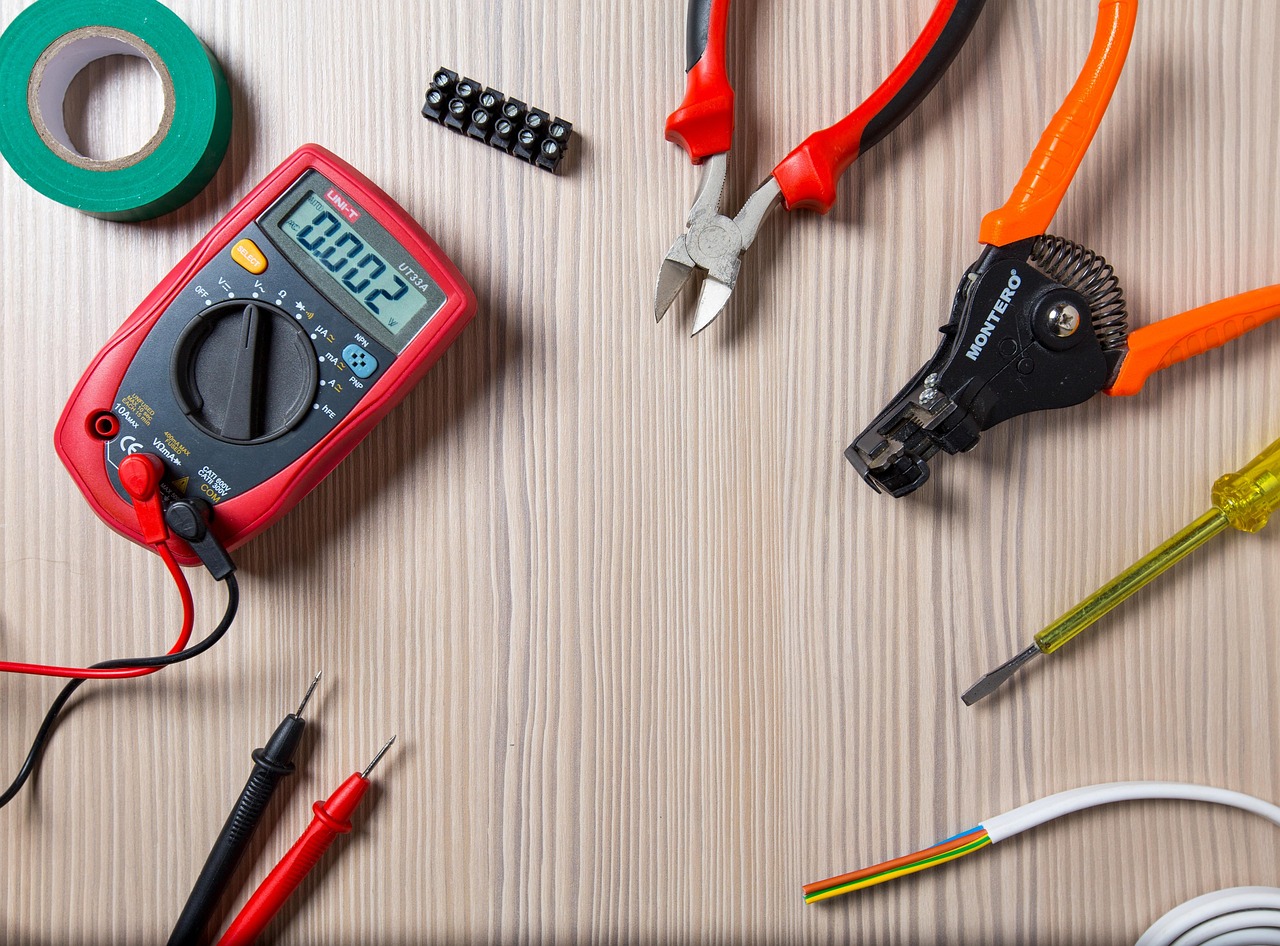
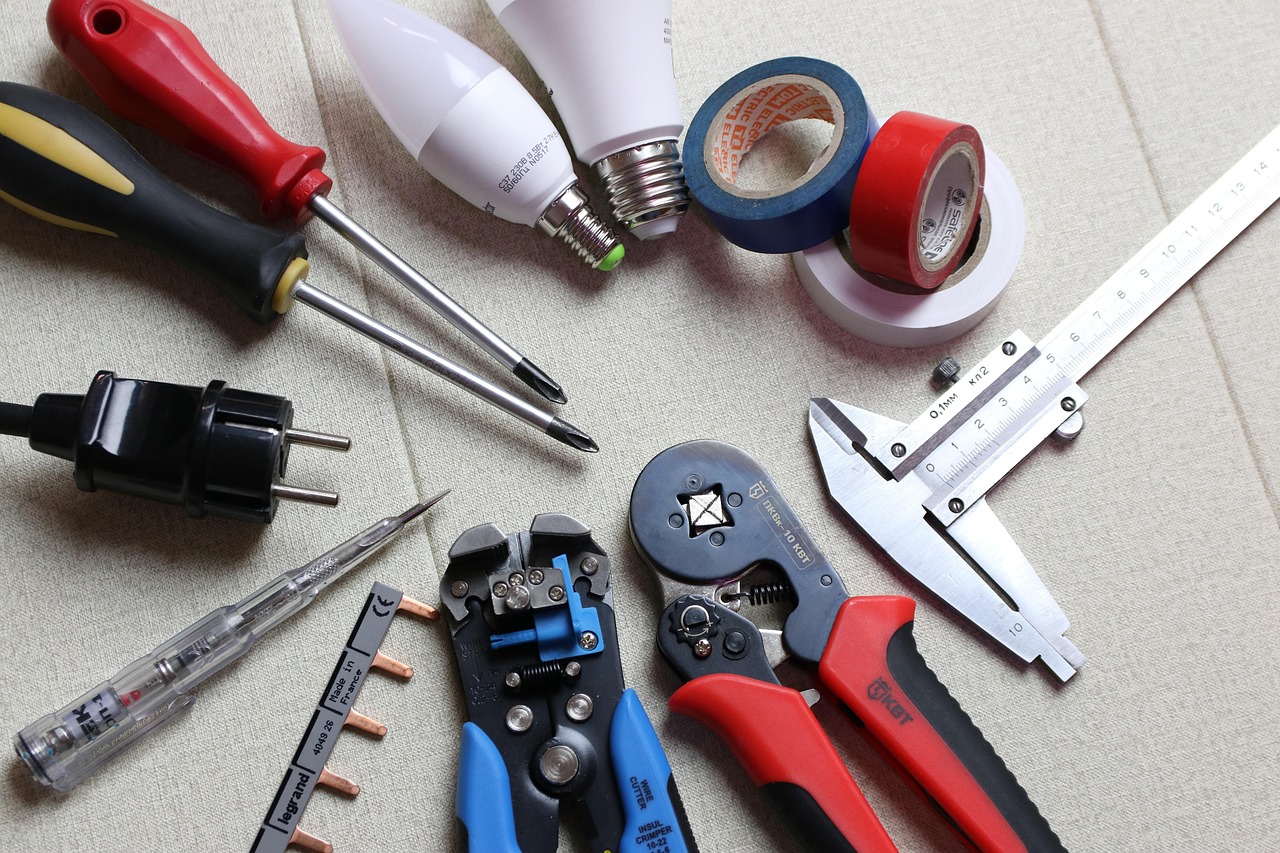
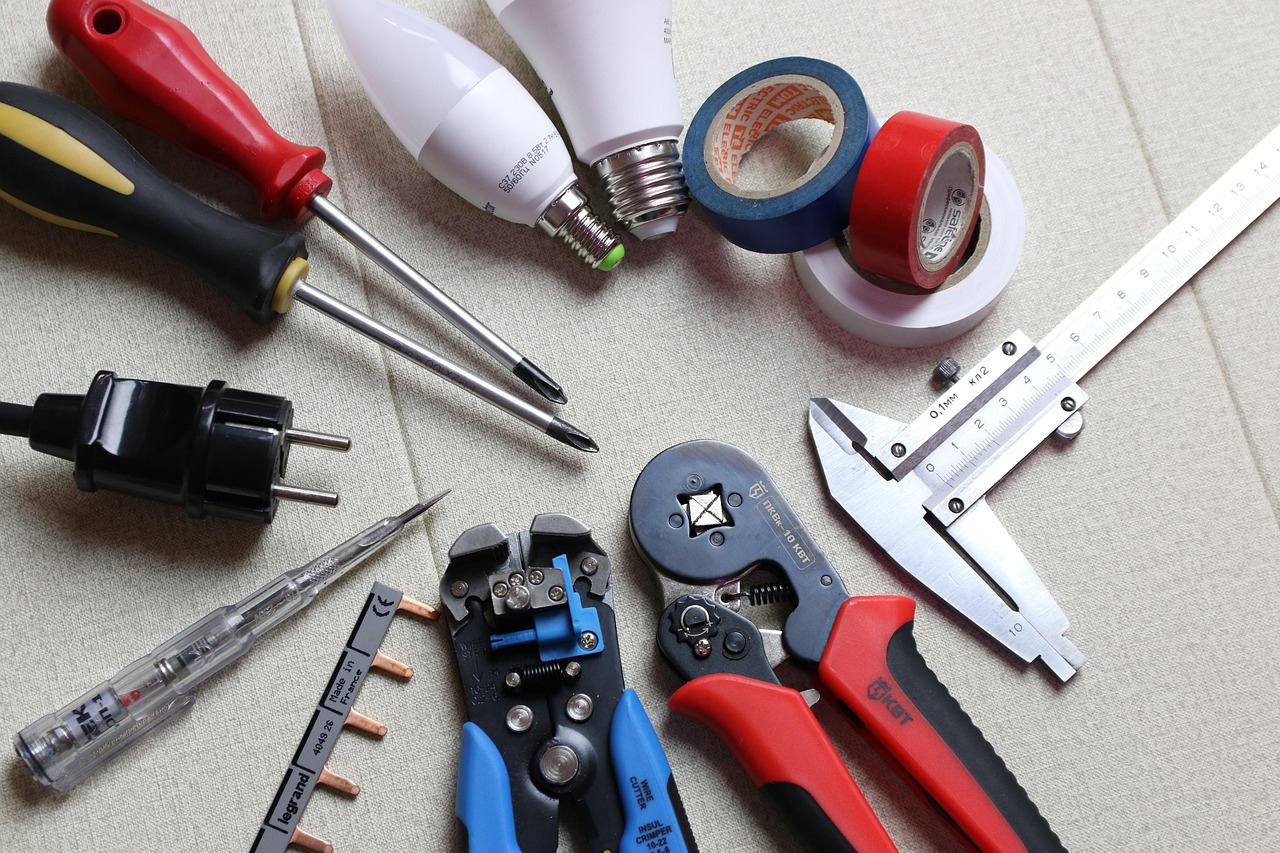
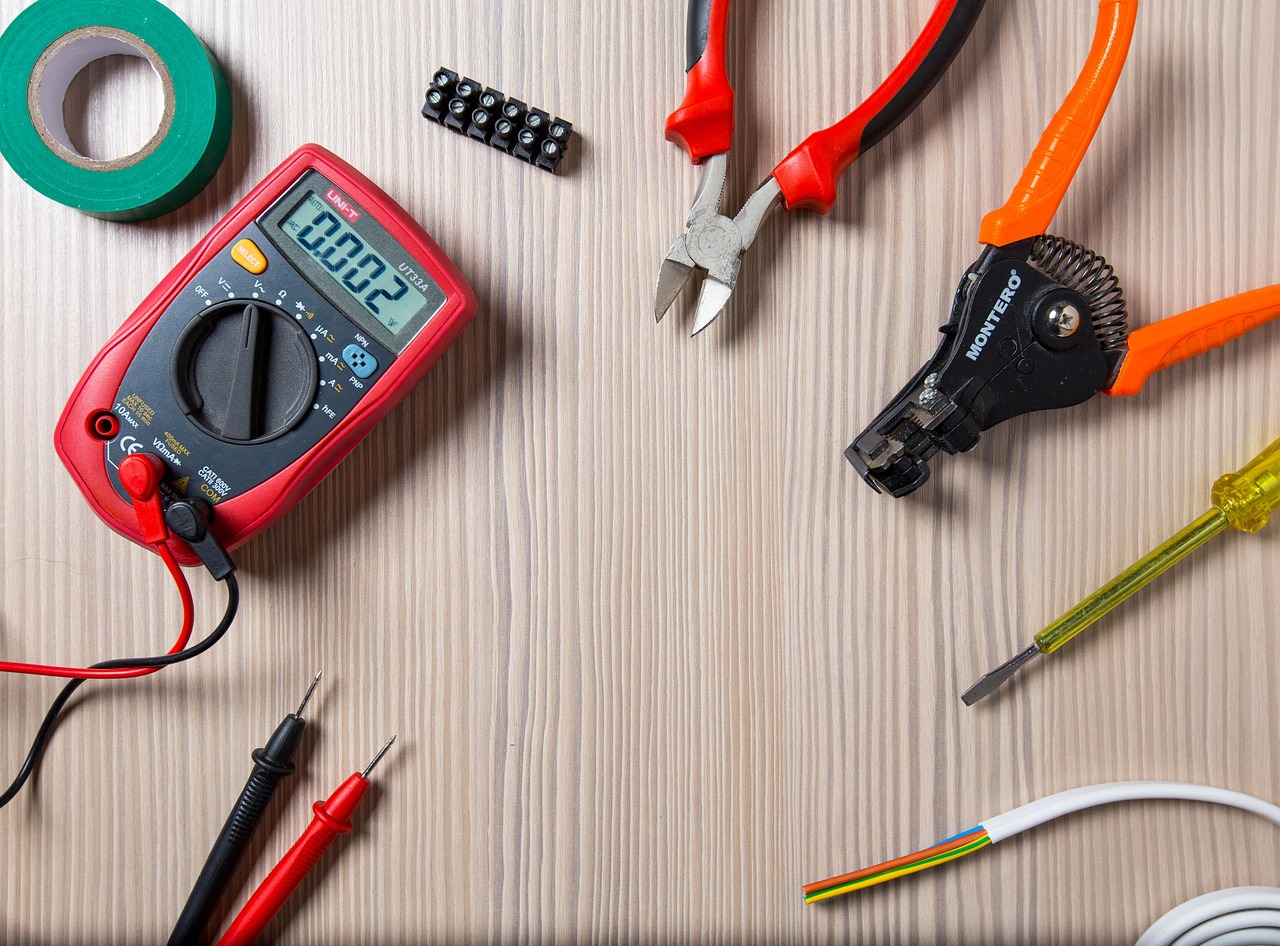
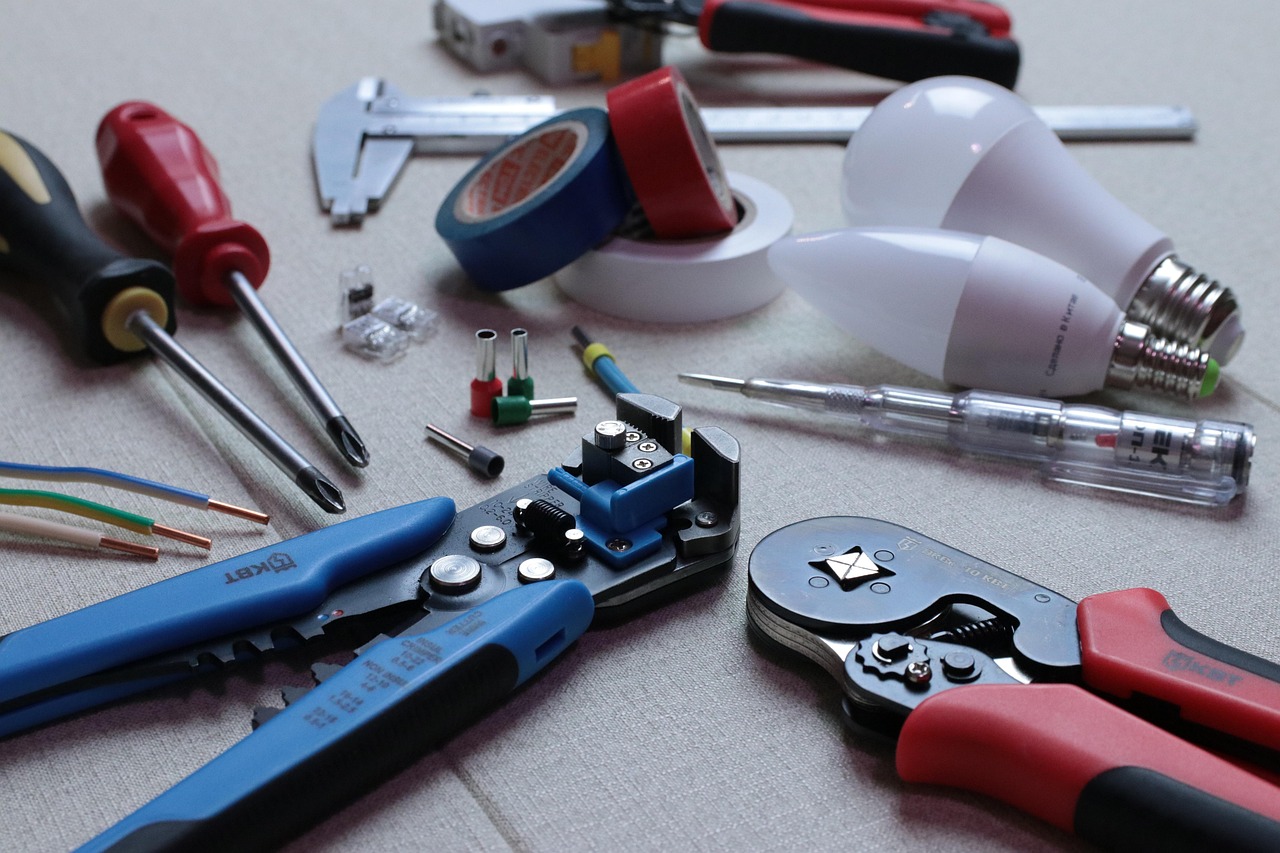
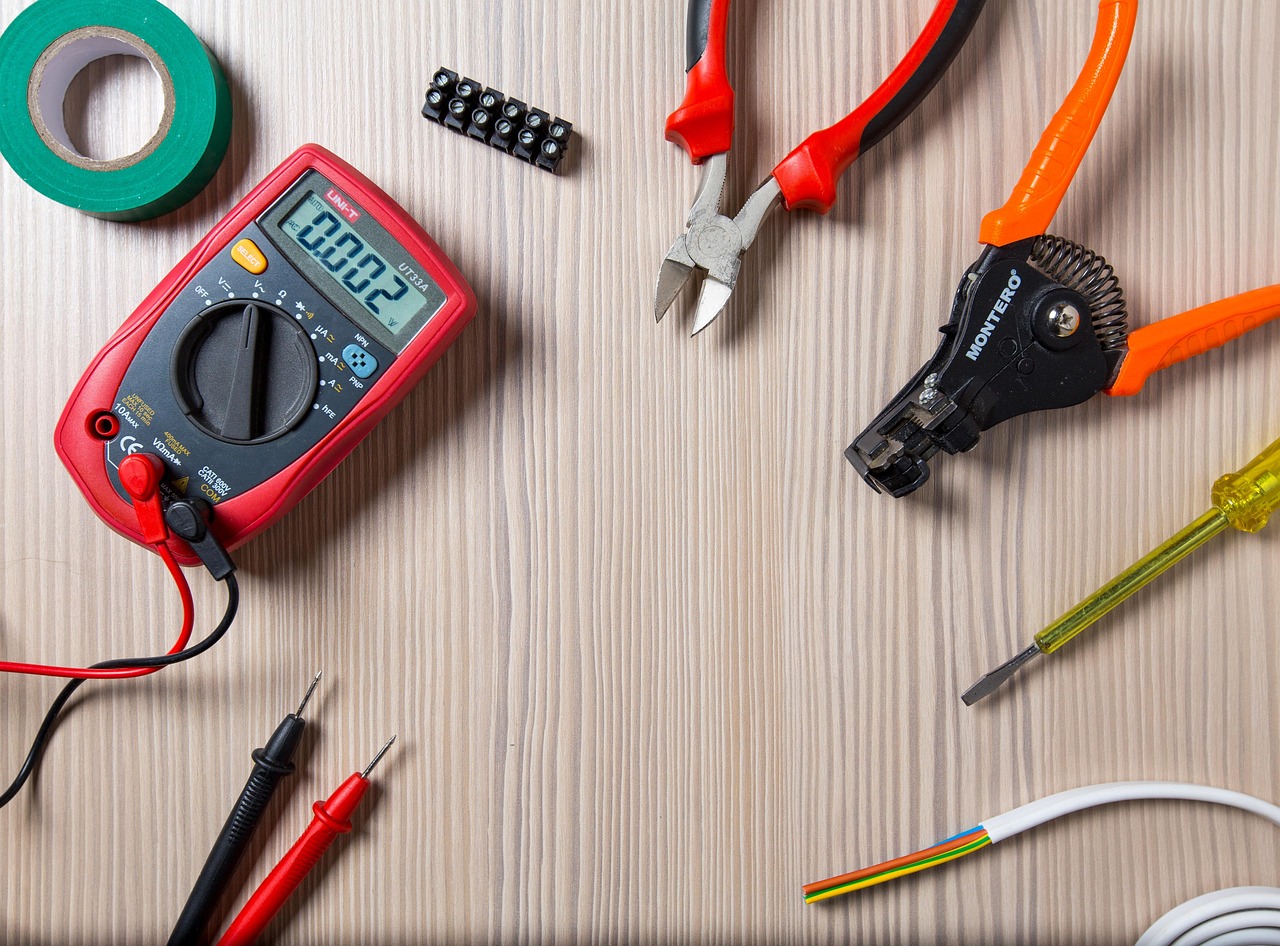
- Use Proper Tools: Ensure you have the right tools for the job and that they are in good condition.
- Safety Gear: Wear insulated gloves, safety goggles, and consider a voltage tester for added protection.
- Avoid Water: Electrical components should be kept dry. Never work on electrical panels in damp or wet conditions.
- Seek Professional Help: If you’re unsure about any aspect of your electrical panel, consult a licensed Tampa Bay FL electrician to avoid potential hazards.
When to Call a Professional Electrician in Tampa Bay, FL
Not all electrical issues are suitable for DIY troubleshooting. Here are signs that it’s time to call a professional:
- Complex Issues: Frequent trips or blown fuses, mysterious power outages, or complex wiring problems may require advanced knowledge and tools to diagnose.
- Safety Concerns: If you smell burning rubber, hear unusual noises from the panel, or notice blackened wires, these could indicate severe issues. Contact a licensed electrician immediately for safety reasons.
- New Construction or Remodels: For major projects involving new wiring installations or significant alterations, professional electricians ensure compliance with local building codes and safe electrical practices.
Choosing the Right Tampa Bay FL Electrician Services
Selecting the best electrician is crucial for ensuring quality work and safety. Here’s how to find a reliable professional:
- Research: Look for licensed and insured electricians with positive reviews from previous clients. Websites like Angie’s List, HomeAdvisor, or local trade associations can be excellent resources.
- Ask About Experience: Inquire about their years of experience, areas of specialization (e.g., residential, commercial), and any ongoing training they participate in to stay up-to-date with industry standards.
- Get Multiple Quotes: Compare pricing from several contractors to ensure you’re getting a fair rate for quality work.
- Check Licenses and Certifications: Verify their licenses with the state regulatory body and confirm they hold relevant certifications for specialized tasks (e.g., NASCAR-certified electricians).
- Warranties: Reputable electricians offer warranties on their work, providing peace of mind in case of future issues.
Same-Day Emergency Electrical Services: A Lifesaver
In the event of a power outage or electrical emergency, immediate attention is crucial. Some situations require same-day service to prevent further damage or ensure safety. Trusted Tampa Bay FL electrician services often offer 24/7 support for such emergencies.
Conclusion: Prioritizing Your Home’s Electrical Safety and Efficiency
Troubleshooting your home’s electrical panel is a valuable skill that can help you identify and resolve minor issues before they become major problems. However, for complex or safety-related concerns, it’s essential to rely on the expertise of licensed Tampa Bay FL electrician services. By understanding common issues, following safety precautions, and knowing when to call in the pros, you can maintain a safe and efficient electrical environment in your home. Remember, investing in regular maintenance and promptly addressing any unusual occurrences will ensure peace of mind and the longevity of your electrical system.
References
- Electrician near Tampa, FL | Better Business Bureau — www.bbb.org
- BBB Accredited Electrician near Tampa, FL | Better Business… — www.bbb.org