TL;DR: Struggling with minor electrical issues in your Tampa Bay home? Before calling an electrician, learn these simple DIY troubleshooting tips to save money and potentially avoid expensive service calls. This guide covers common problems and affordable solutions, empowering you to handle basic repairs yourself while knowing when to seek professional help from a licensed Tampa Bay electrician.
Navigating Electrical Troubles in Tampa Bay: A Do-It-Yourself Guide
Living in Tampa Bay brings with it a range of wonderful experiences—from vibrant culture to beautiful beaches. However, even the most well-maintained homes can develop electrical hiccups. While some issues are best left to licensed professionals, many minor problems can be easily diagnosed and fixed by homeowners with a bit of knowledge and these helpful tips.
Understanding Common Tampa Bay Electrical Issues
Knowing what typical problems look like helps you identify whether a repair is truly DIY-friendly or requires a call to a nearby professional electrician. Some common electrical troubleshooting scenarios in Tampa Bay include:
- Blown Fuses or Tripped Circuit Breakers: This is usually the result of excessive electrical load and can often be reset by flipping the switch (after turning off power at the main panel).
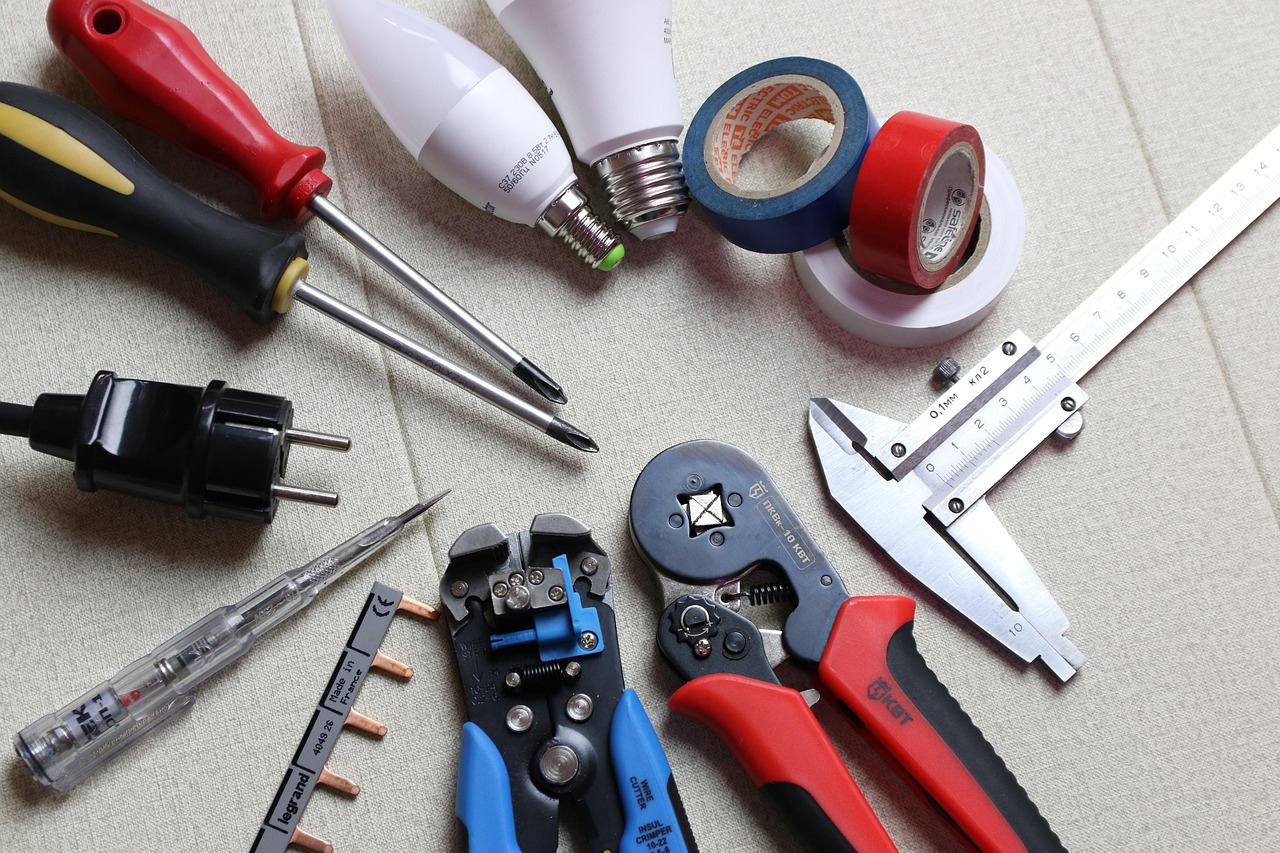
- Dead Light Switches: If a light switch no longer controls lighting, it may have burned out or become loose. These are relatively simple fixes for homeowners comfortable with basic tools.
- Sparking Electrical Outlets: This can be caused by worn-out outlets or loose connections. While replacing an outlet is a bit more involved, tightening connections using the right tools can often resolve sparking.
- No Power to Appliances: Check circuit breakers and fuses first, as well as power supply cords for damage. Issues with dedicated circuits (e.g., those powering air conditioners) may require professional assessment.
- Unusual Sounds or Smells: Swelling, burning odors or strange clicking noises coming from electrical panels or outlets signal potential problems that should be addressed by a licensed electrician immediately to prevent fire hazards.
Do-It-Yourself Electrical Troubleshooting: A Step-by-Step Guide
Before tackling any electrical repair, prioritize safety:
- Always turn off power at the main circuit breaker or fuse box before working on any electrical component. Use a voltage tester to confirm power is off.
- Wear protective gear, including insulated gloves and safety glasses.
- Never work alone if the task feels beyond your comfort level. If unsure, call a nearby professional electrician for guidance or assistance.
Here’s how to approach common Tampa Bay electrical troubleshooting scenarios:
1. Blown Fuses or Tripped Circuit Breakers:
- Locate the problem: Check the circuit breaker panel and identify which breaker has tripped (disconnected).
- Reset the breaker: Turn it back on. If it trips immediately, replace the fuse with a new one of the correct amp rating.
- Consider overloading: Too many appliances plugged into one circuit can cause overloading and frequent breaker trips. Unplug unnecessary devices and distribute usage more evenly.
2. Dead Light Switches:
- Check for a burned-out bulb: Replace the light bulb if it appears damaged or has been burning for a long time.
- Inspect wiring connections: Loosen and tighten any loose screws on the switch, especially at the point where the wire meets the switch. Corroded connections can cause intermittent switching problems.
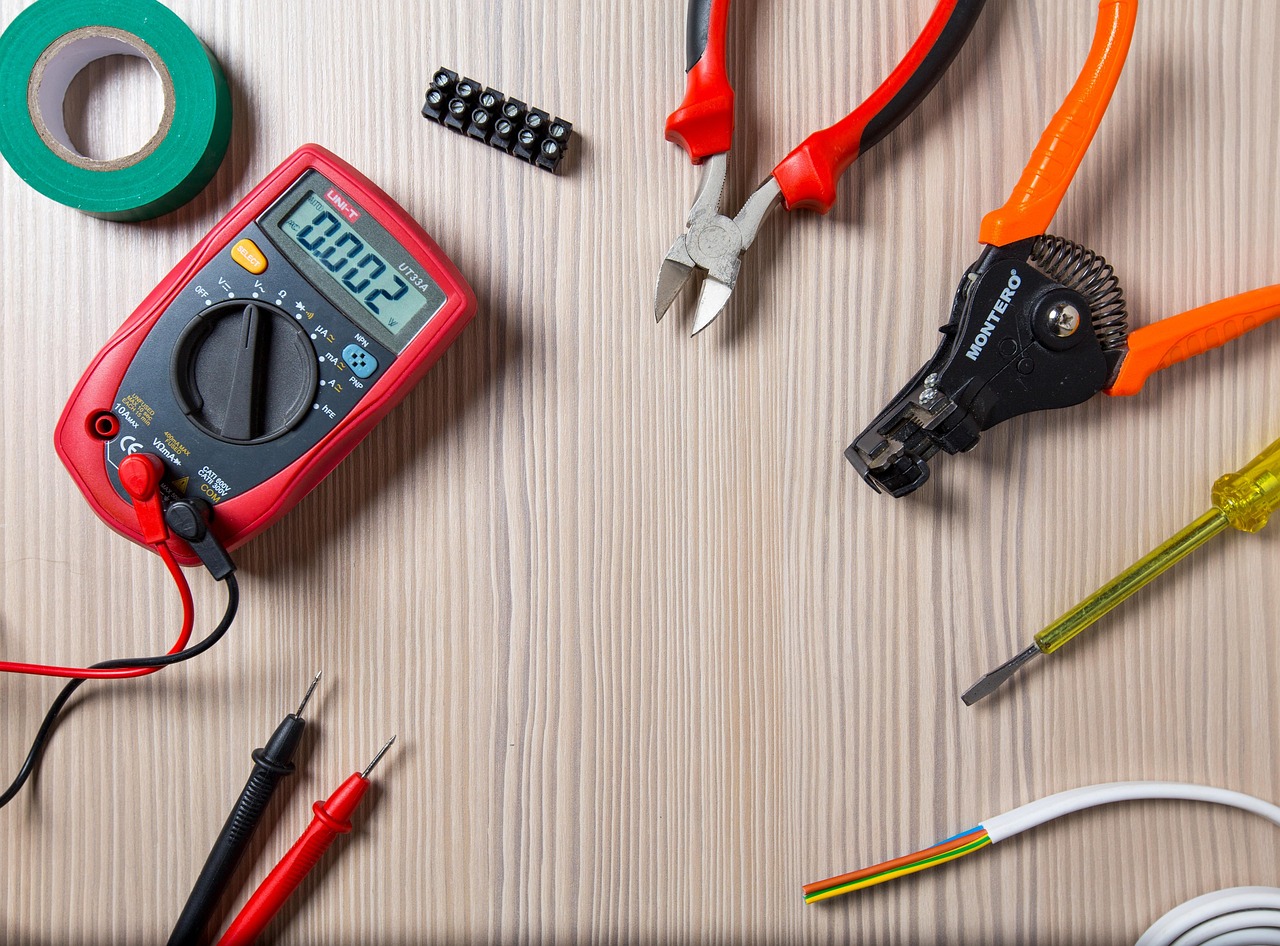
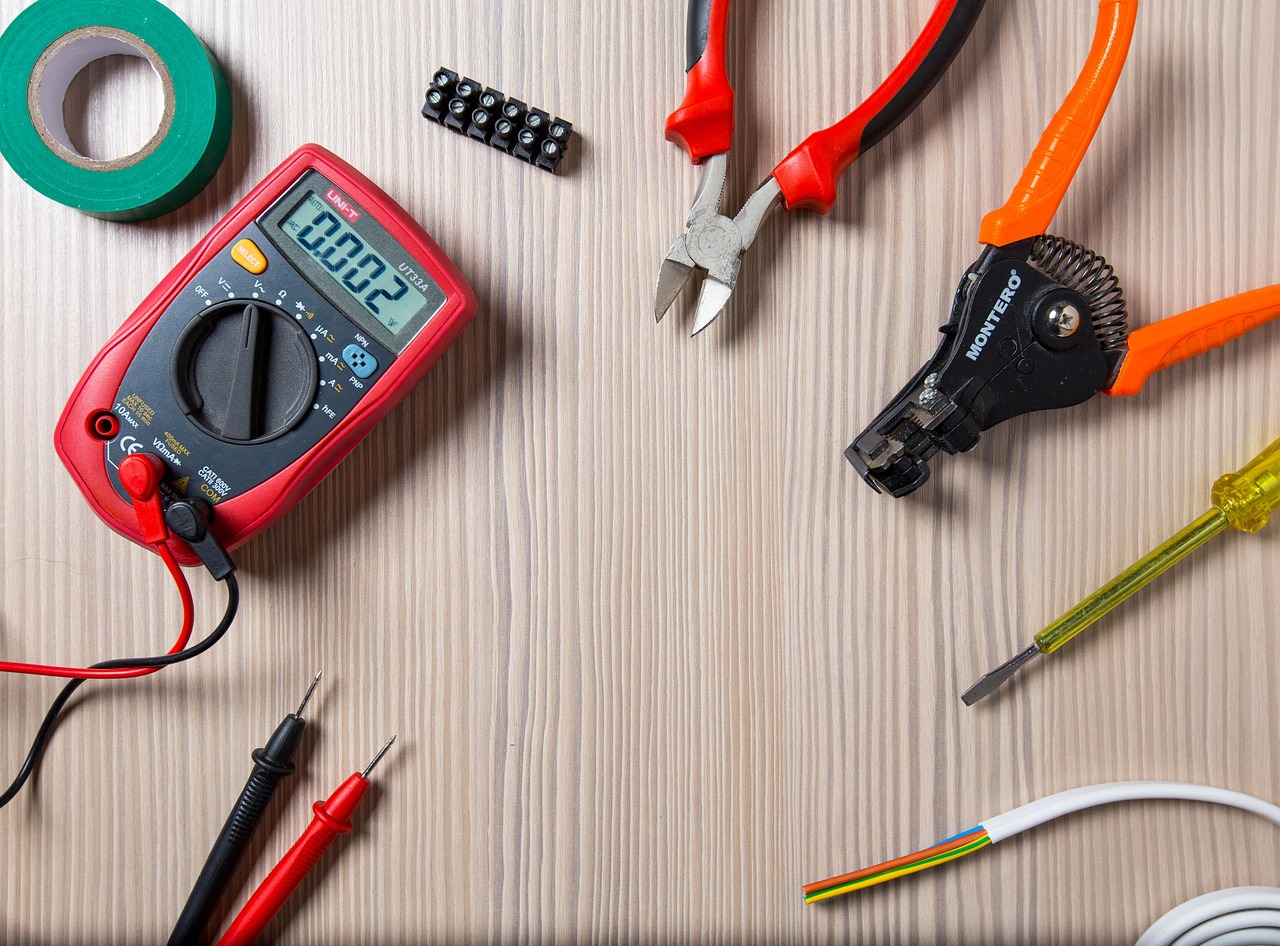
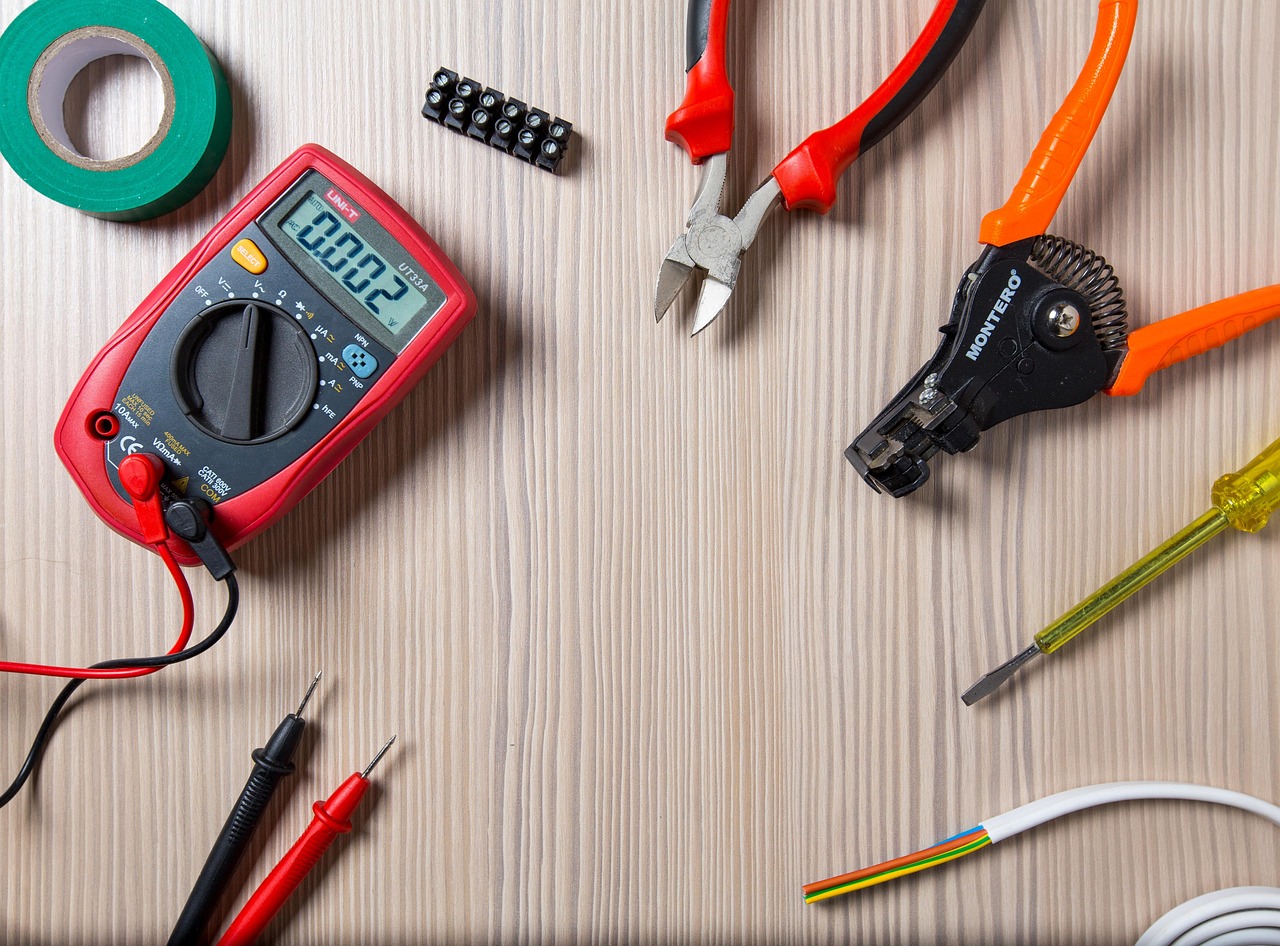
- Test with a multimeter (optional): A multimeter can measure electrical current and voltage to confirm proper function. This tool is available at hardware stores.
3. Sparking Electrical Outlets:
- Inspect for loose outlet: Gently tug on the outlet faceplate to ensure it’s firmly mounted. If it feels loose, tighten the outlet screws inside the wall box using a screwdriver.
- Replace worn-out outlets: If the outlet appears damaged or shows signs of burning (blackened plastic), replace it with a new one rated for the correct voltage and amperage.
- Check connections: Ensure all wires are properly connected and secured within the outlet.
4. No Power to Appliances:
- Check circuit breakers and fuses: As mentioned earlier, reset tripped breakers or replace blown fuses.
- Inspect appliance power cords: Look for damaged cords with frayed insulation. Replace any damaged cord immediately.
- Power supply issues: If dedicated circuits (e.g., for air conditioners) are involved, consult a licensed electrician to diagnose potential problems like faulty wiring or overloaded circuits.
When to Call a Licensed Tampa Bay Electrician
While many minor repairs can be handled yourself, there are times when it’s crucial to call in the professionals:
- Safety concerns: Never work on electrical systems if you suspect a problem could be dangerous, such as severe damage or unusual smells. Always prioritize safety and contact a licensed electrician immediately.
- Complex repairs: Re-wiring, installing new panels, or working with high voltage require specialized skills and knowledge. A licensed electrician is the safest bet for these tasks.
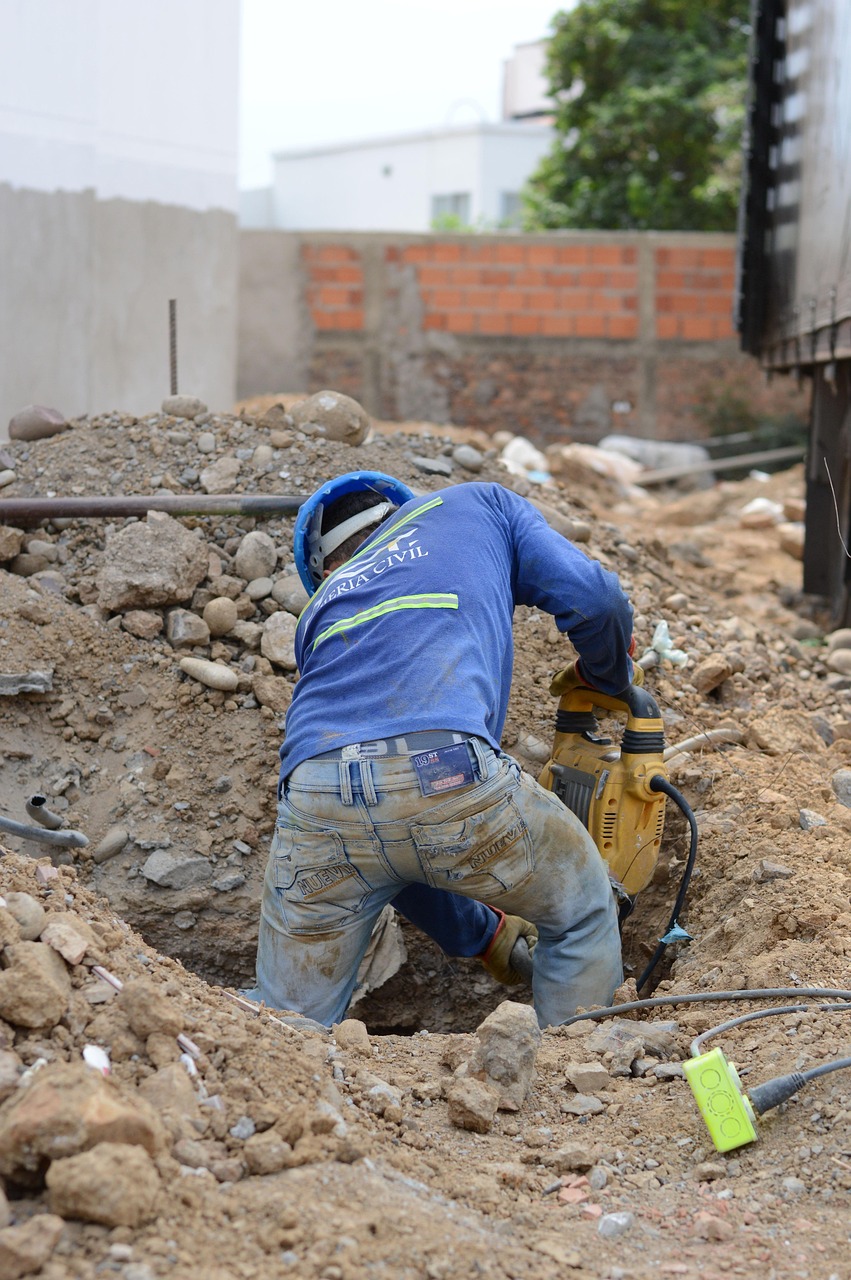
- Underground wiring issues: Digging near power lines or working on buried cables requires permits and specific expertise. Contact your local utility company or a qualified electrician to handle these situations.
Finding Reliable Tampa Bay Electrician Services
When you need professional help, it’s essential to find a licensed, bonded, and insured electrician with a proven track record of quality service in the Tampa Bay area. Some tips for locating a reliable electrician include:
- Ask for referrals: Start with friends, neighbors, or colleagues who have had positive experiences with local electricians.
- Check online reviews: Websites like Angie’s List, HomeAdvisor, and Google Reviews offer insights into an electrician’s work quality and customer service.
- Verify licensing and insurance: Ensure any electrician you hire is licensed by the state of Florida and carries liability insurance to protect against potential damage or accidents.
- Get written estimates: Request detailed quotes from multiple electricians before making a decision. Compare not only prices, but also scope of work and warranty information.
Conclusion: Balancing DIY Troubleshooting & Professional Help in Tampa Bay
Tampa Bay FL electrician services cover a wide range of needs, from minor repairs to complex installations. By understanding common electrical issues and empowering yourself with basic troubleshooting skills, you can save money on routine tasks and avoid unnecessary service calls. However, recognizing when to call a licensed professional is crucial for safety and ensuring the job is done right. With the right knowledge and resources, you can confidently navigate your home’s electrical needs in Tampa Bay.
References
- Electrician near Tampa, FL | Better Business Bureau — www.bbb.org
- Tampa, Florida – Wikipedia — en.wikipedia.org