TL;DR: Facing minor electrical issues in your Tampa Bay home? Learn how to identify common problems and try simple, affordable do-it-yourself (DIY) fixes before calling a professional electrician for Tampa Bay FL electrician services. We’ll guide you through essential tools, safety precautions, and when to leave it to the experts.
Introduction: Unlocking the Power of Knowledge in Tampa Bay, FL
In the bustling heart of Tampa Bay, FL, electrical issues can disrupt your daily routine and put a strain on your budget. Fortunately, understanding basic electrical troubleshooting can empower you to tackle minor problems yourself, saving time and money. This guide, tailored for the residents of Tampa Bay, will equip you with valuable knowledge and tools to identify common electrical glitches and implement DIY fixes, or at least make informed decisions about when to call in a professional electrician from our network of affordable Tampa Bay electricians.
Understanding Common Tampa Bay Electrical Issues
Before diving into DIY solutions, it’s crucial to recognize the types of problems that commonly arise in Tampa Bay homes:
1. Tripping Circuit Breakers or Blowing Fuses
Overloaded circuits are a frequent culprit. Check your breaker box and switch off any overloaded circuits. Identify devices drawing excessive current and unplug them temporarily until the issue resolves. Fuses that frequently blow may indicate a problem with your electrical panel or wiring, requiring professional attention from a licensed electrician in Tampa Bay.
2. Sparking Wires or Smell of Burning
These are serious signs of potential fire hazards. Never ignore these symptoms! Contact an emergency electrical service near me immediately. A qualified electrician will inspect for faulty wiring, overloaded outlets, or damaged components and make the necessary repairs to ensure your safety.
3. Dim or Flickering Lights
This could be caused by a loose connection, aging bulbs, or faulty fixtures. Try replacing the light bulb first. If the problem persists, there might be an issue with wiring or a loose connection within the fixture, warranting professional attention from same-day electricians in Tampa.
4. Tripping GFCI Outlets
Ground Fault Circuit Interrupter (GFCI) outlets protect you from electric shock by immediately cutting power if they detect a leak. If an outlet keeps tripping, it could indicate water damage or a faulty GFCI. A nearby professional electrician should test and replace the GFCI if necessary.
DIY Electrical Troubleshooting: Empowering You to Save Money
While some electrical issues require the expertise of a licensed professional, many minor glitches can be addressed with basic tools and safety precautions. Here’s how you can get started:
1. Assemble Your Toolkit
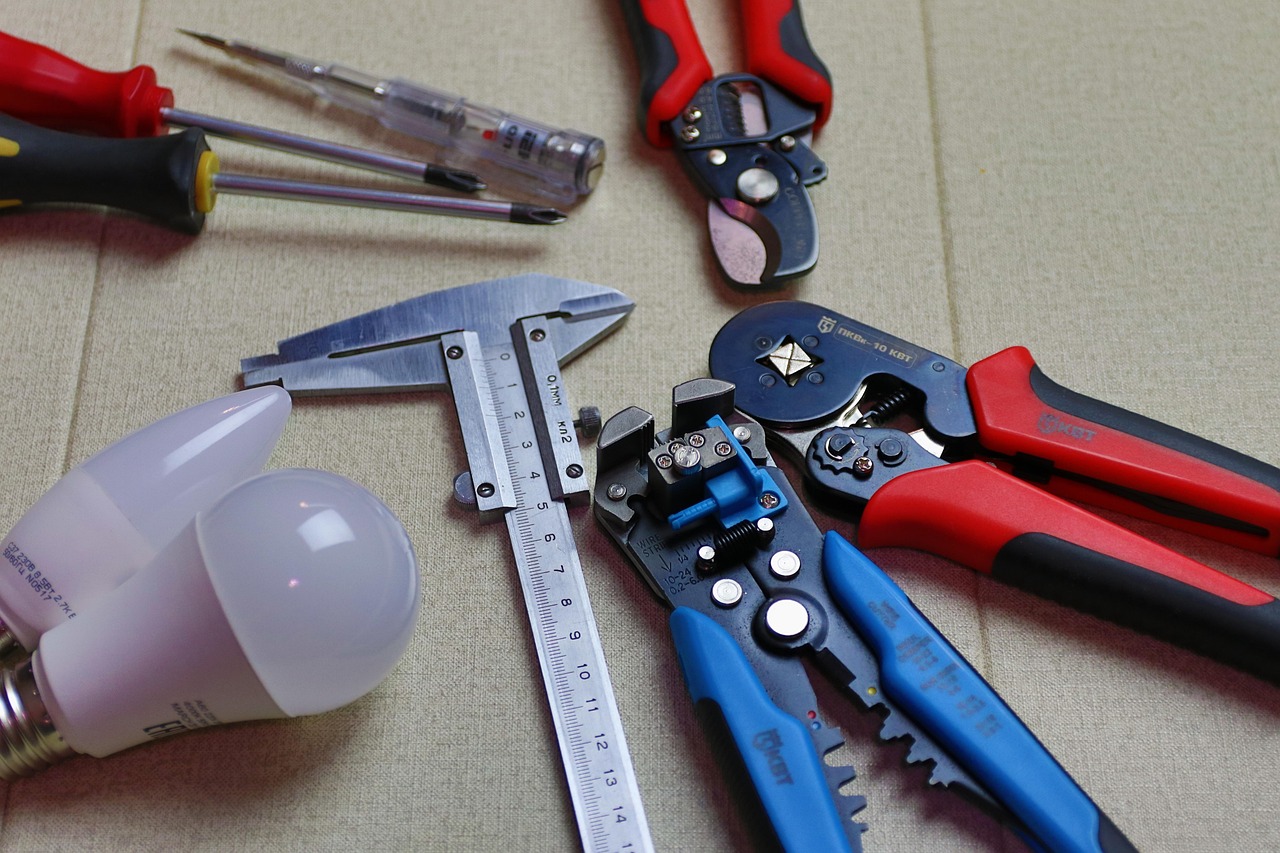
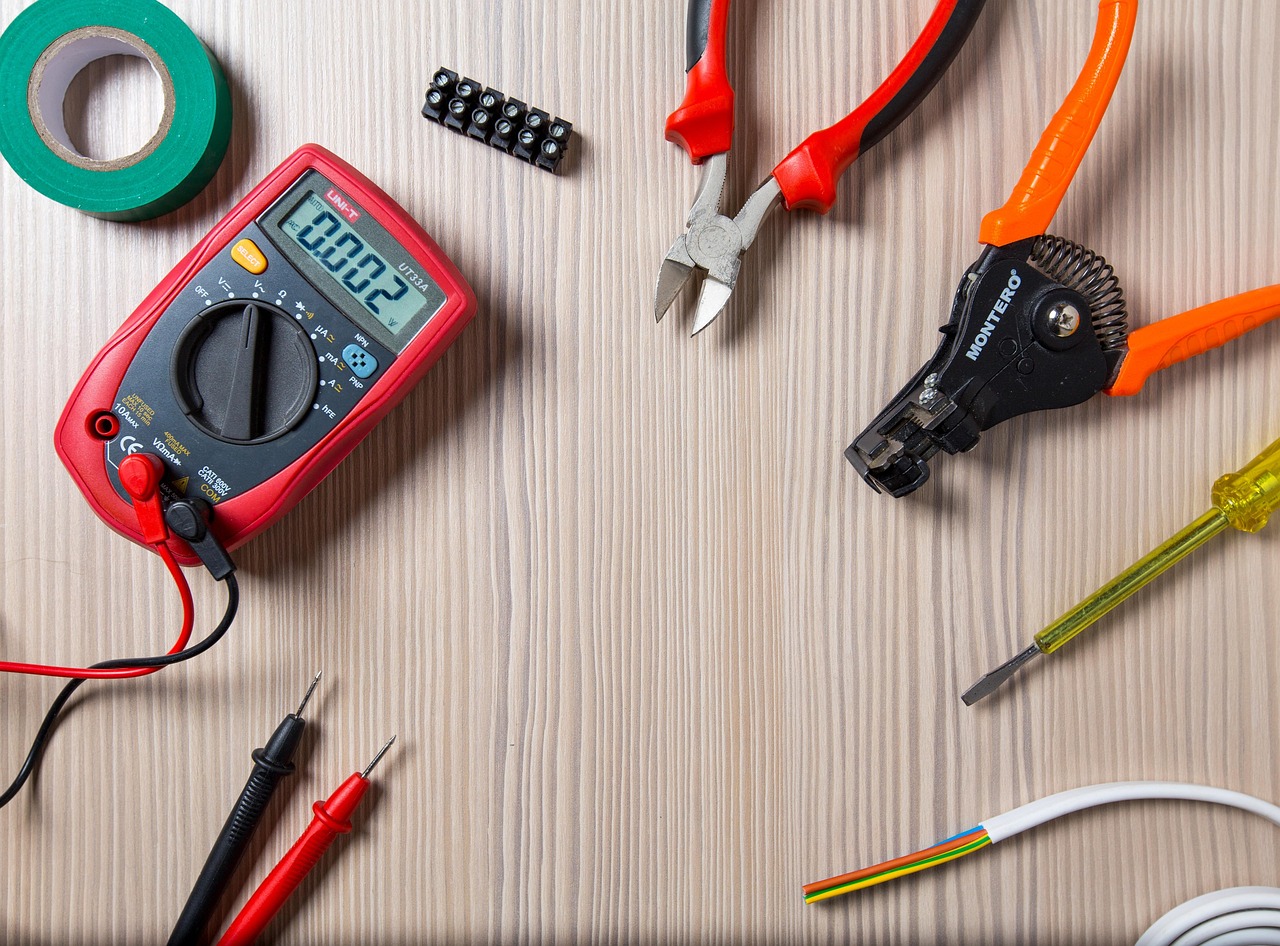
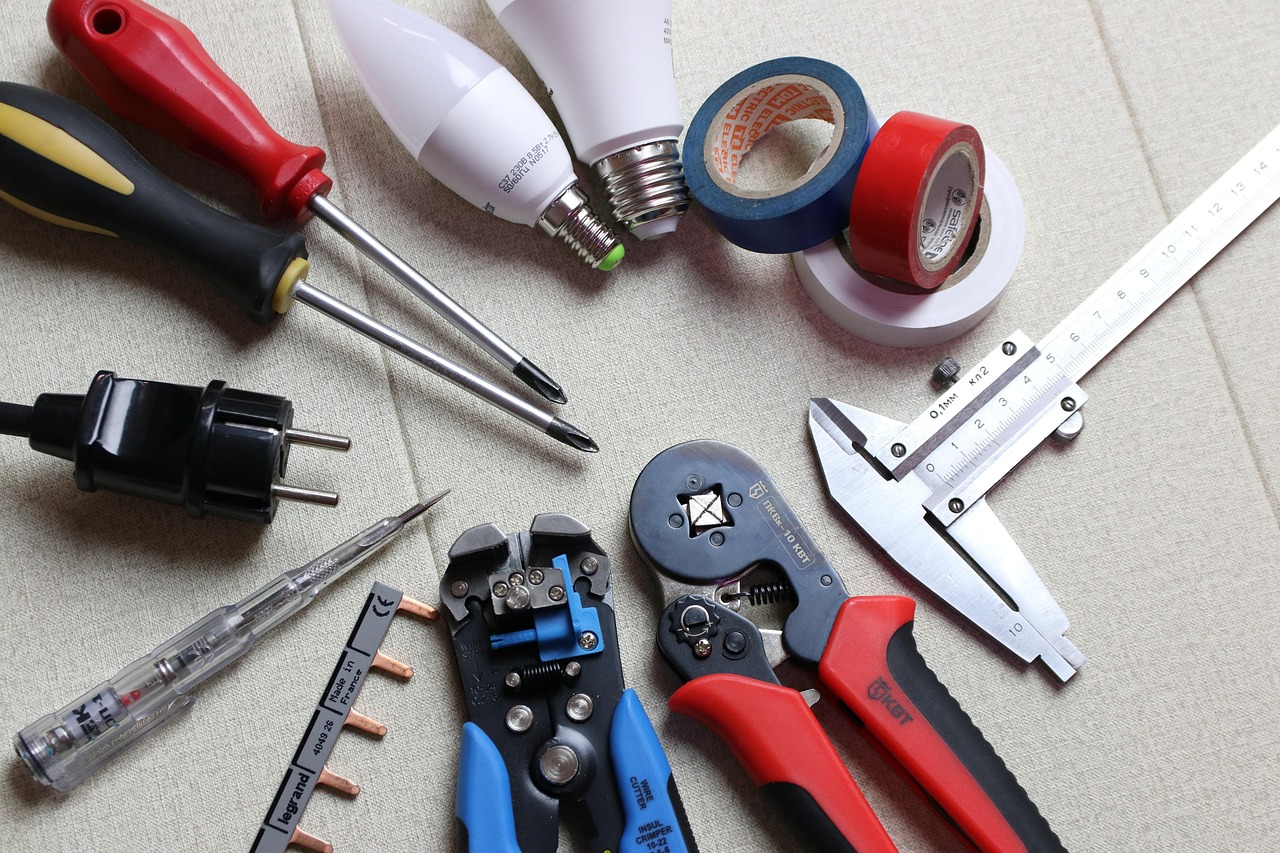
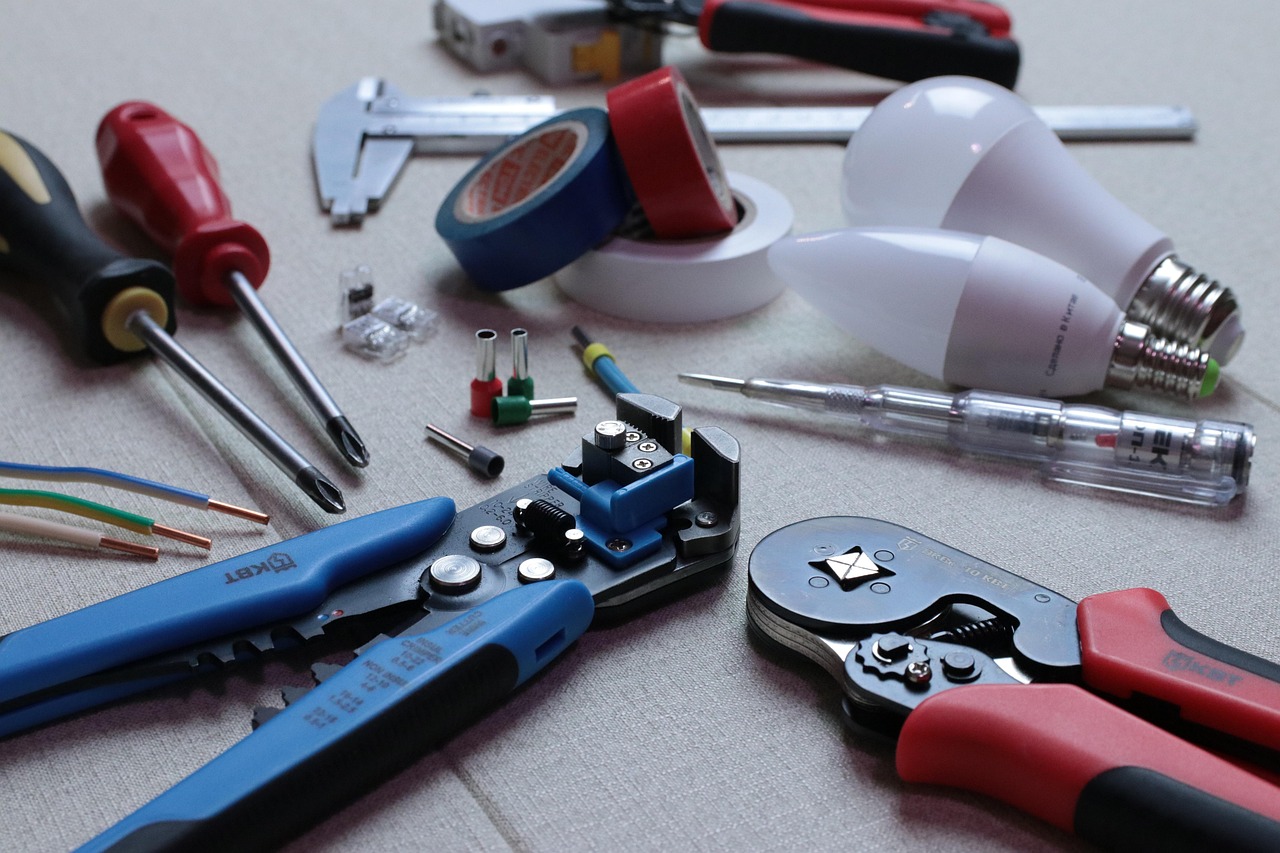
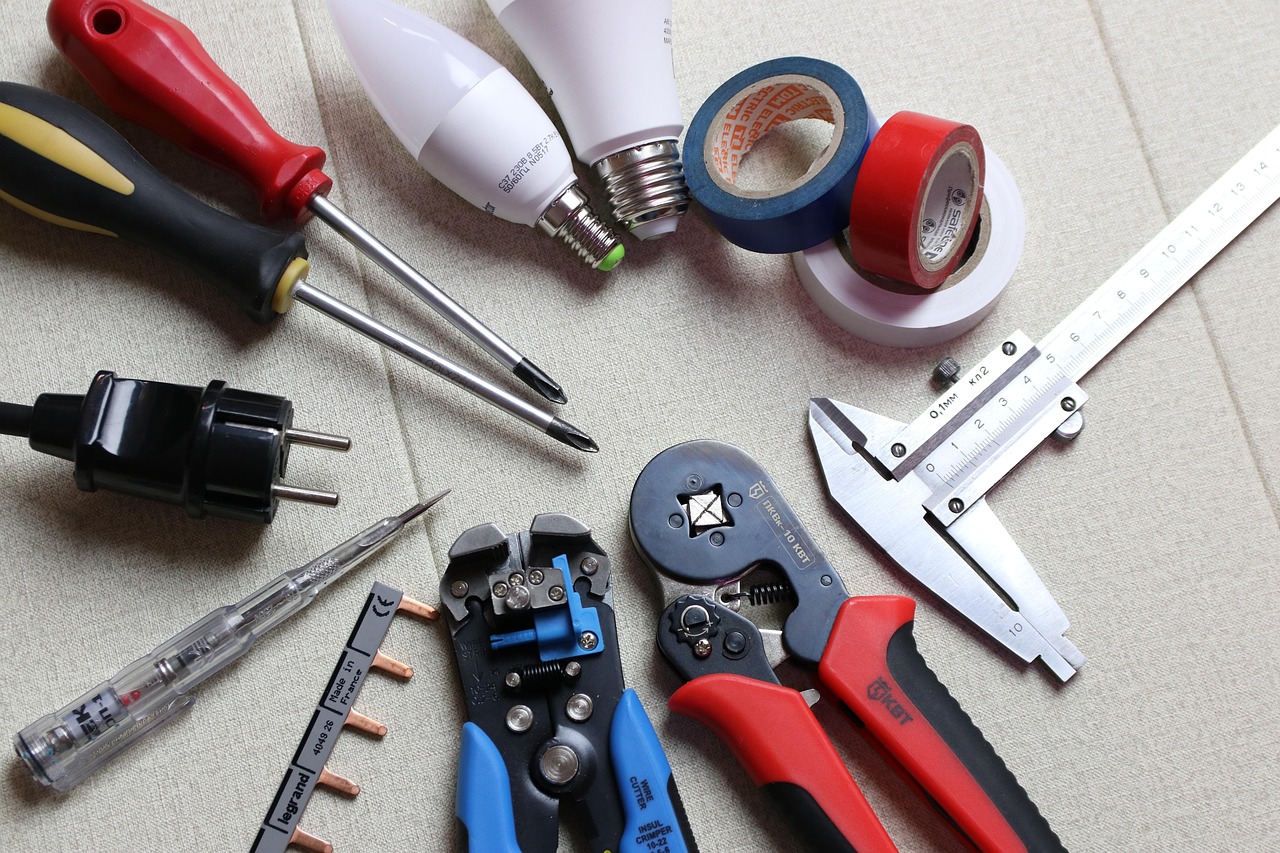
Invest in a few essential tools for basic electrical work:
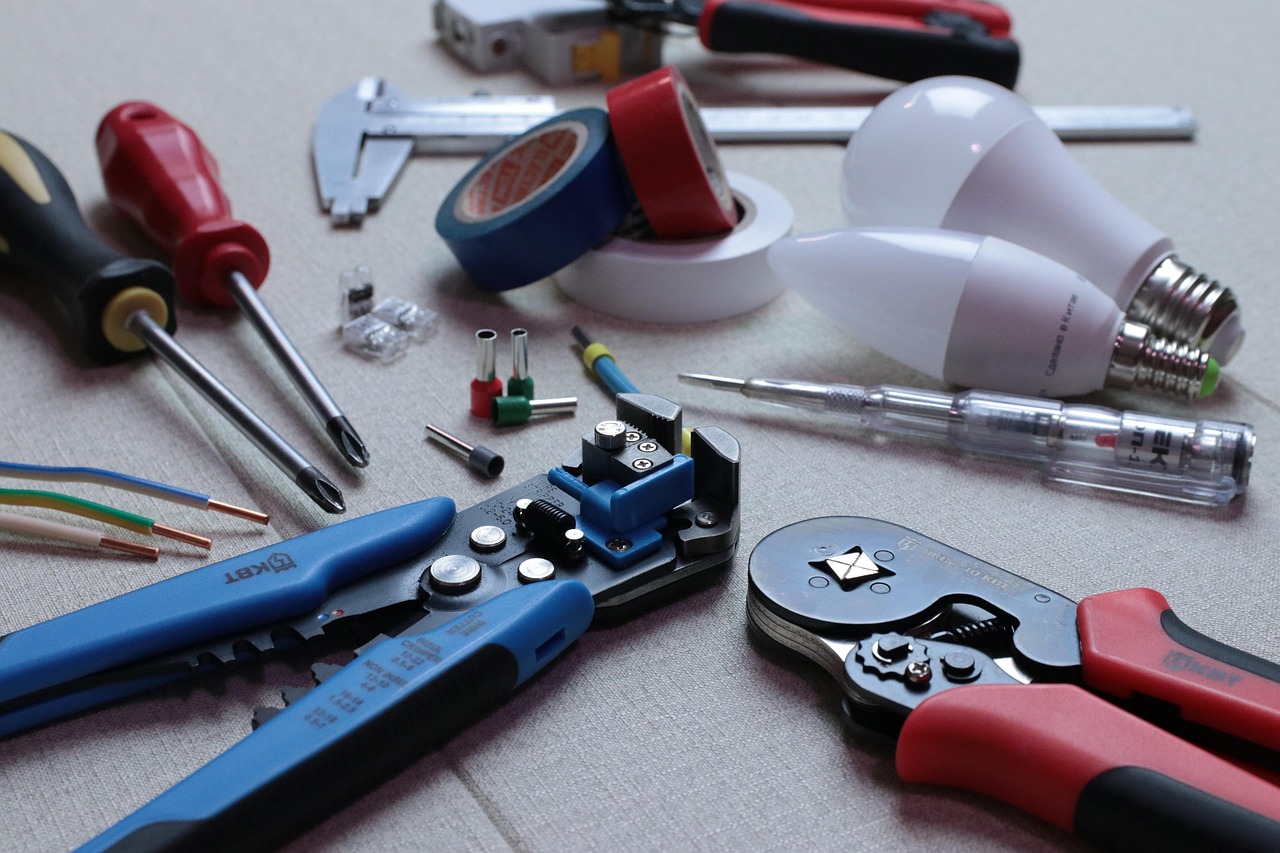
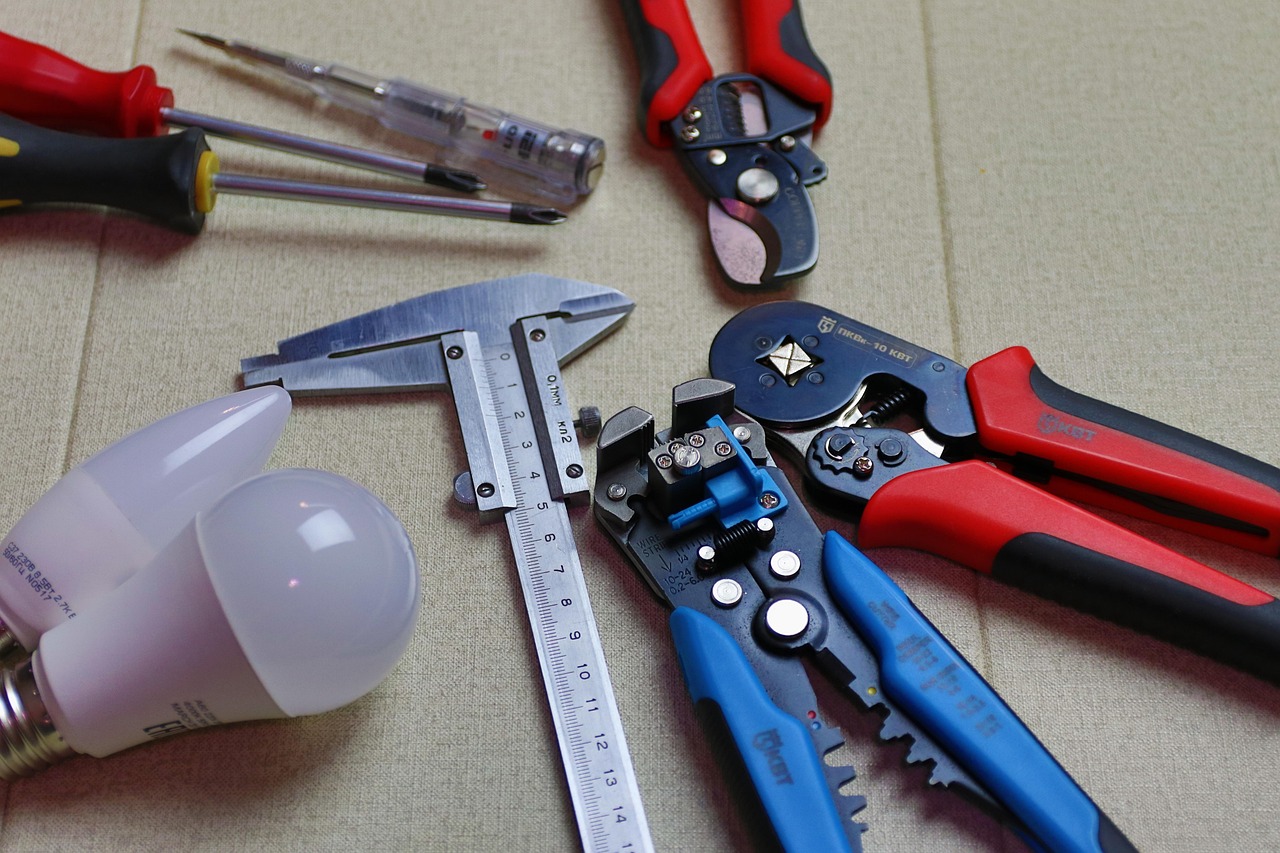
- Non-contact voltage tester: This safe and easy-to-use tool identifies live wires, helping you avoid dangerous shocks while working on outlets or switches.
- Flashlight: Always keep a reliable flashlight handy to illuminate dark spaces when inspecting wiring or access panels.
- Pair of wire strippers: These tools allow you to safely remove insulation from wires for connections.
- Pliers and screwdrivers: Basic hand tools are essential for tightening connections, replacing switches, and working with outlets.
2. Safety First: Protect Yourself and Your Home
Electricity can be dangerous. Prioritize safety by following these guidelines:
- Always turn off the power at your main breaker box before attempting any electrical work. Use a voltage tester to confirm the power is off.
- Wear insulated gloves and safety glasses for protection.
- Work with a helper, especially when dealing with tall ladders or accessing hard-to-reach areas.
- Never touch exposed wires or components while power is still connected.
3. Identifying the Source of an Issue
Use your voltage tester to pinpoint the source of an electrical problem:
- Test outlets and switches: A non-contact voltage tester can quickly determine if a particular outlet or switch is live. This helps you identify faulty components and narrow down the cause of flickering lights or other symptoms.
- Inspect wiring: Examine visible wiring for signs of damage, exposed wires, or loose connections. Be wary of any frayed or brittle insulation.
4. Simple Fixes You Can Tackle Yourself
Some common Tampa Bay electrical issues can be easily resolved with these DIY techniques:
- Loose outlet connections: Tighten outlets using a screwdriver to ensure a secure connection.
- Blown fuses: Replace a fuse with one of the same amperage rating. Always consult your home’s wiring diagram to ensure proper replacement.
- Flickering lights: Check bulb wattage and replace if too low for the fixture. Ensure tight connections at switches and outlets.
- Tripping GFCI outlets: Reset the GFCI by pressing the test and reset buttons simultaneously. If it continues to trip, call a same day electrician Tampa for inspection.
When to Call a Professional Electrician in Tampa Bay
While DIY repairs can save money, some electrical issues require professional expertise:
- Complex wiring problems: Major repairs or re-wiring jobs often require specialized knowledge and equipment, best handled by licensed electricians in Tampa Bay.
- Fire hazards: Never attempt to fix a problem that has caused a burning smell or sparks. These are serious safety concerns requiring immediate attention from a professional electrician near me.
- New construction or major renovations: Electrical work tied to significant home additions or upgrades often needs to comply with specific building codes and regulations, best handled by certified professionals.
- Unsure about safety: If you lack confidence in your electrical repairs or have concerns, always consult a licensed electrician in Tampa Bay for expert guidance and safe solutions.
Conclusion: A Balanced Approach to Tampa Bay FL Electrician Services
Tampa Bay residents can effectively navigate minor electrical troubles with a combination of DIY troubleshooting and knowledgeably calling on professional electrician services near me. By understanding common issues, investing in basic tools, and prioritizing safety, you can save money while keeping your home’s electrical system running smoothly. Remember: when in doubt, always rely on the expertise of licensed Tampa Bay electricians for peace of mind.
References
- Tampa Area Electrical JATC — tampajatc.org
- Electrician near Tampa, FL | Better Business Bureau — www.bbb.org