TL;DR: Struggling with a malfunctioning electrical panel? This guide provides essential tips for identifying and resolving common issues, helping you navigate Tampa Bay FL electrician services effectively. From understanding your panel to recognizing signs of trouble, these expert insights will empower you to keep your home safe and powered.
Tampa Bay FL Electrician Services: Empowering You to Troubleshoot Your Electrical Panel
Whether it’s a flickering light, a tripped circuit breaker, or a complete power outage, electrical panel problems can disrupt your daily life. Thankfully, Tampa Bay residents have access to top-notch tampa bay fl electrician services to address these issues swiftly and safely. This guide delves into the world of electrical troubleshooting, empowering you to identify problems, make informed decisions, and connect with reliable professionals when needed.
Understanding Your Home’s Electrical Panel
Your home’s electrical panel acts as the central command center for your electricity flow. It controls the distribution of power to various circuits throughout your house, ensuring each device receives the appropriate amount of current. Familiarizing yourself with its components is crucial for effective troubleshooting:
Key Components of an Electrical Panel
- Circuit Breakers: These protective devices interrupt electrical flow if they detect excessive current, preventing overloading and potential fires. Every circuit in your home is connected to a dedicated breaker.
- Fuses: Similar to circuit breakers, fuses protect circuits by melting and breaking the connection if too much current flows through them. While less common in newer homes due to the reliability of circuit breakers, they still exist in some older electrical systems.
- Circuit Labels: Clearly labeled circuits help you identify which breaker or fuse controls specific areas of your home, like kitchen lights, bathroom outlets, or air conditioning.
Common Electrical Panel Issues
Understanding normal panel operation is equally important for identifying abnormalities. Be alert to these common red flags:
- Overloaded Circuits: Too many devices plugged into a single circuit can cause overheating and potential breaker tripping. Look for frequently tripped breakers or blown fuses, especially in areas like kitchens and bathrooms with high electrical demand.
- Arcing or Sparking: If you hear popping sounds, see sparks, or smell burning odors coming from your panel, immediately shut off power at the main breaker (if safe to do so) and call a professional electrician. These signs indicate serious problems that require expert attention.
- Corroded Breakers or Fuses: Over time, metal components within breakers and fuses can become corroded, leading to poor contact and increased risk of failure. Corrosion appears as green or brown discoloration.
- Damaged Wiring: Insulation on wires can degrade, exposing the conductor and creating potential fire hazards. Look for exposed wire ends within the panel or evidence of charring around connections.
Troubleshooting Common Electrical Panel Issues
While some basic electrical troubleshooting is within most homeowners’ capabilities, remember: safety always comes first. Never work on your electrical panel if you’re unsure about any aspect—always consult a licensed Tampa Bay electrician for complex issues.
Here are some tips to guide your initial assessment:
1. Identify the Problem
- Power Outage: If your entire home is without power, check the main breaker at your panel. Is it in the "off" position? If so, switch it back on. If it trips immediately, a circuit overload or other issue may be to blame.
- Flickering Lights: This often indicates a loose connection or an overloaded circuit. Try resetting the affected breaker.
- Tripped Breaker: The most common culprit is a short circuit caused by a faulty appliance or wiring problem. Identify which circuit it affects and investigate potential causes.
- Burning Odor: This strongly suggests overheating or arcing within the panel. Shut off power immediately and contact an electrician.
2. Safe Disconnection
If you need to work on your panel, always follow these safety precautions:
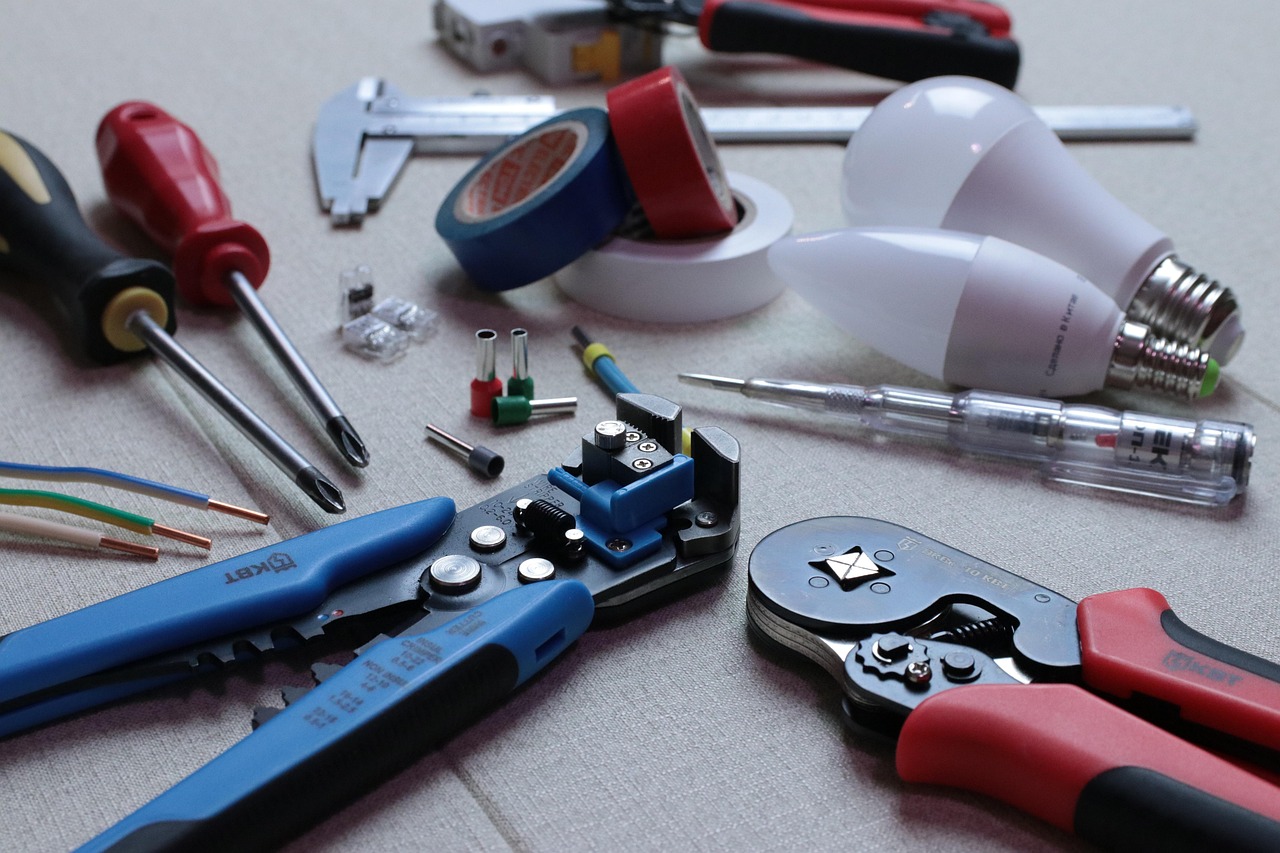
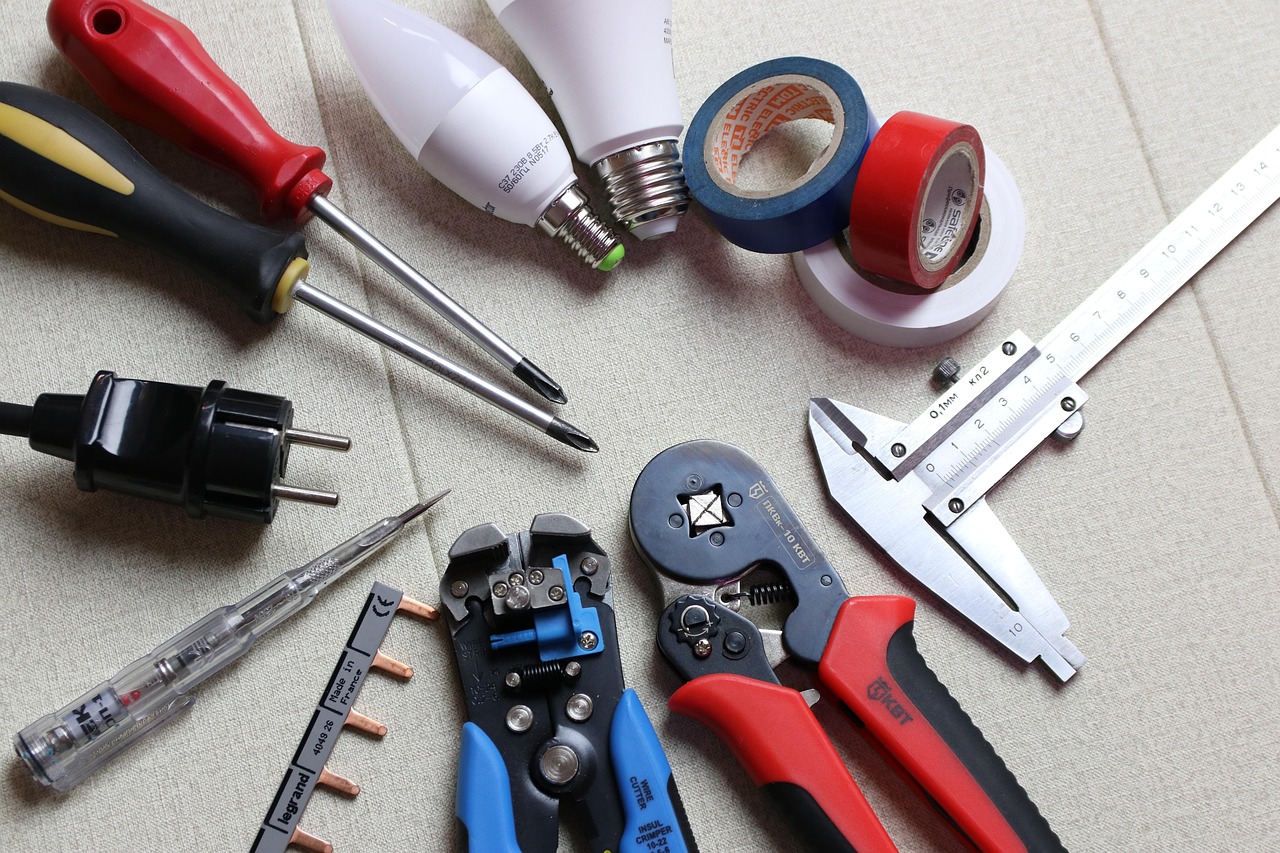
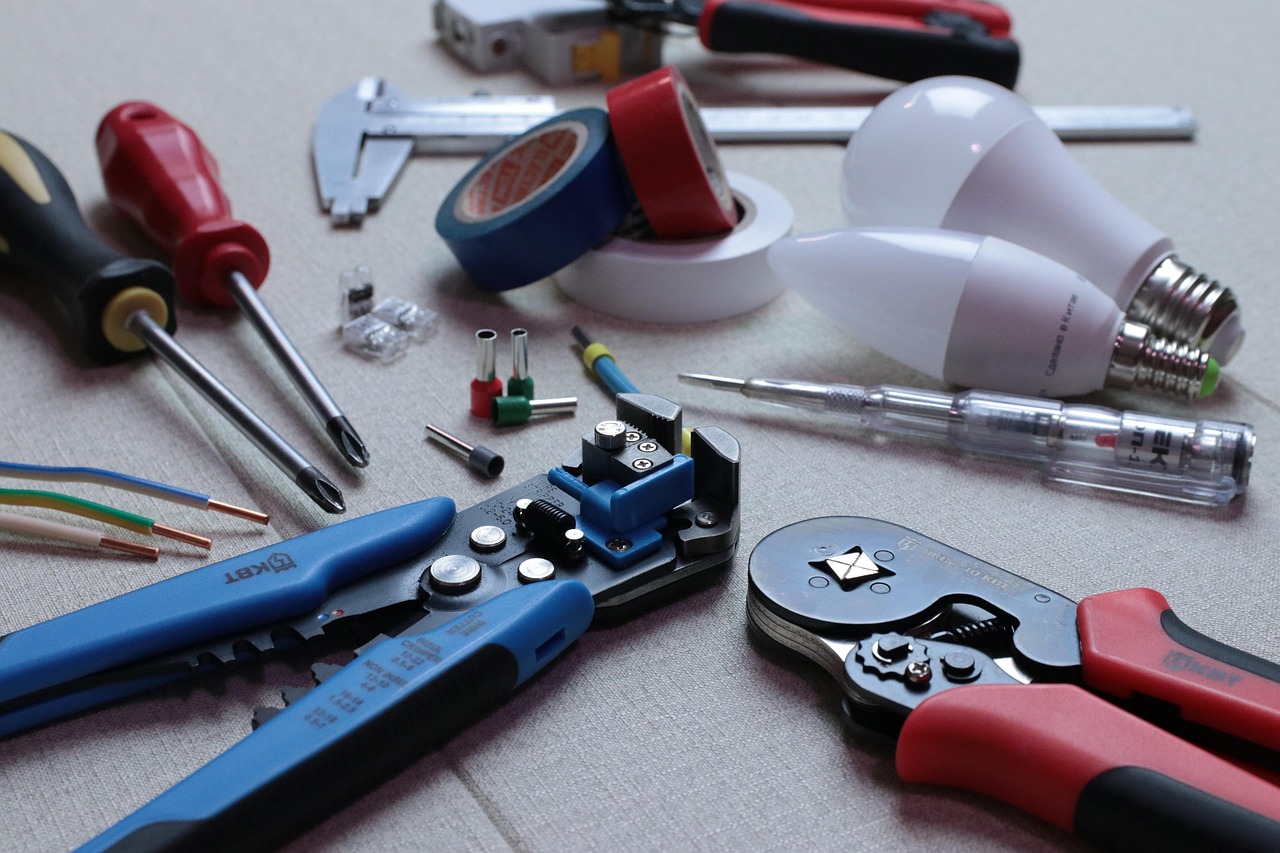
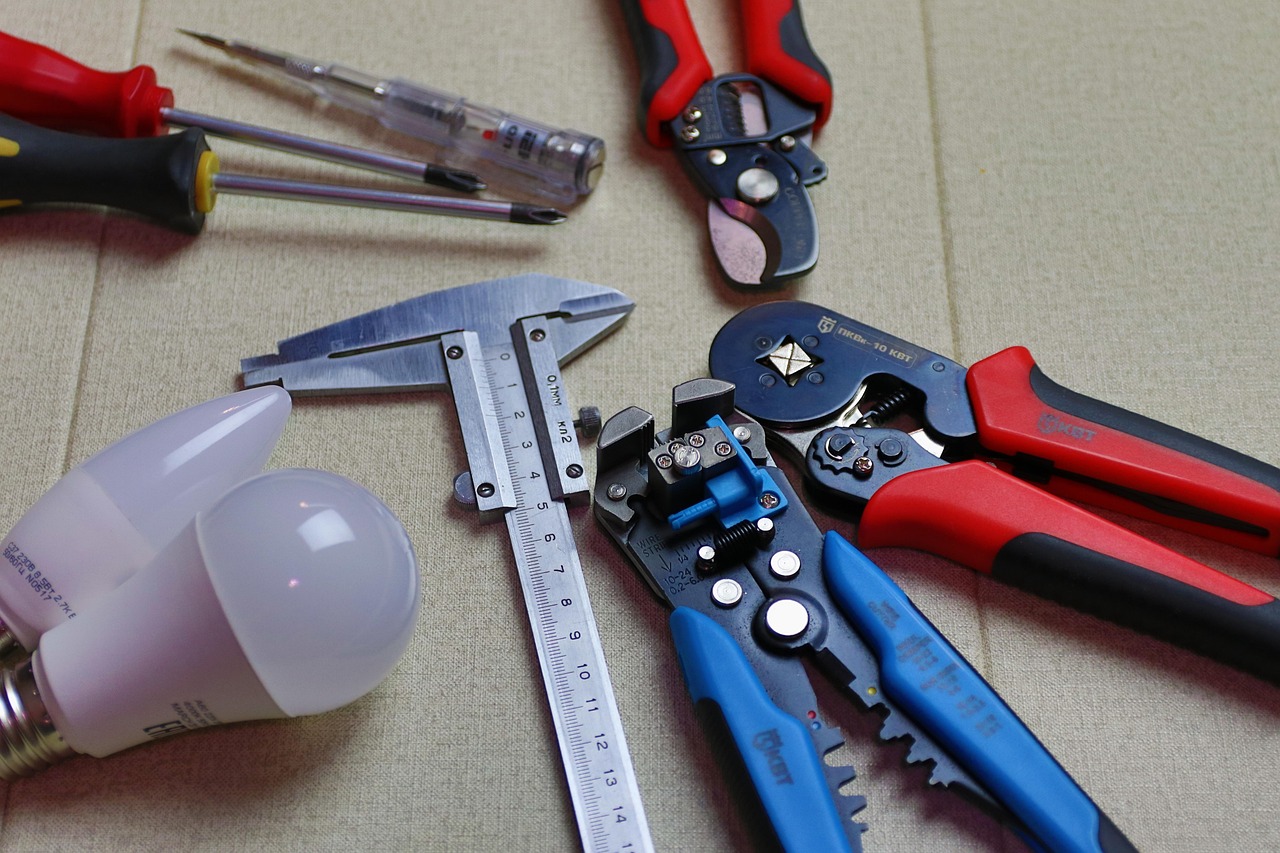
- Turn Off Power: Use a voltage tester to confirm power is off before touching any exposed wires or components.
- Wear Protective Gear: Safety glasses and insulated gloves are essential for protecting against electrical hazards.
- Isolate Problem Circuit: If possible, turn off power to the entire panel while you investigate to minimize risks.
3. Basic Troubleshooting Steps
- Inspect Wiring Connections: Tighten loose connections with a screwdriver. Corroded connections should be cleaned or replaced.
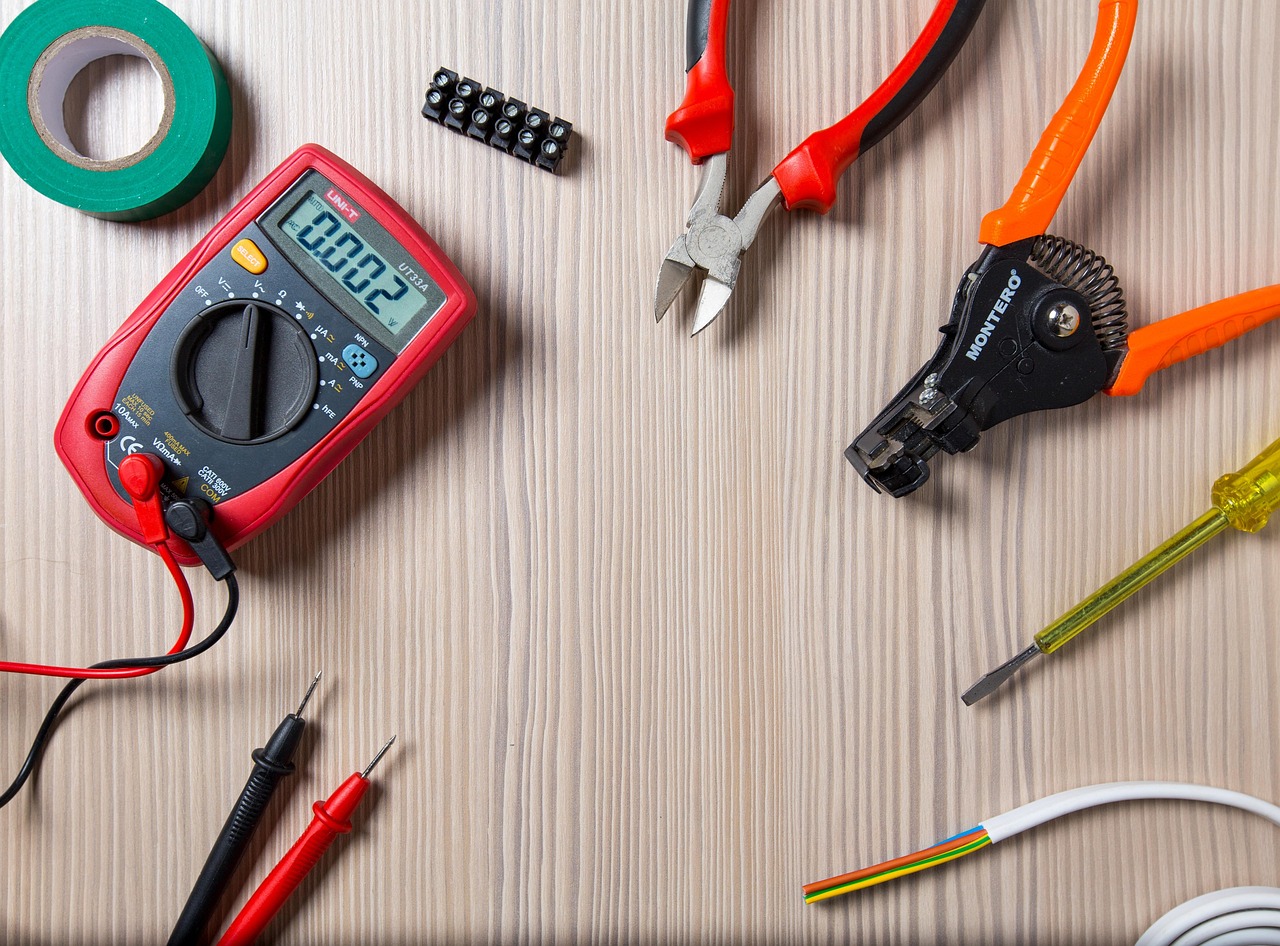
- Test Devices: Check appliances and outlets for proper functionality after resolving an issue. A multimeter can help diagnose faulty devices.
- Replace Blown Fuses: If a fuse has blown, check the circuit for excessive load and consider upgrading to a higher-amp breaker if necessary.
When to Call a Professional Electrician
While some minor issues may be DIY-able, many electrical problems require professional expertise:
- Complex Issues: If you’re unsure about any aspect of troubleshooting or encounter complex issues (e.g., arcing, burning odors), always consult a licensed Tampa Bay electrician.
- Structural Damage: Do not attempt to repair damage to the panel itself if it involves structural components. Leave this work to professionals who have the specialized tools and knowledge.
- Regular Electrical Inspections: Schedule regular inspections by licensed electricians to ensure your home’s electrical system is safe, up-to-code, and optimized for efficiency.
Finding Reliable Tampa Bay Electricians
Choosing a tampa bay electrician is crucial for ensuring quality service and safety. Here are tips for making an informed decision:
- Research Reputation: Read online reviews from trusted sources to gauge an electrician’s reliability and work ethic.
- Check Licenses and Insurance: Ensure the electrician is fully licensed, bonded, and insured. This protects you from potential liability issues.
- Request References: Ask for references from previous clients to get firsthand accounts of their experience.
- Get Written Estimates: Obtain detailed, written estimates before agreeing to any work. Understand what’s included and the cost involved.
- Ask About Warranties: Inquire about warranties on parts and labor to ensure peace of mind after the job is complete.
Frequently Asked Questions
-
How much does it cost to have an electrician check my panel?
The cost can vary depending on the complexity of the issue and the time required. A basic inspection usually starts at around $75-$100, while more involved troubleshooting could range from $200-$400 or more. -
Can I perform electrical panel work myself?
While some homeowners may feel inclined to DIY, electrical work is best left to licensed professionals due to inherent safety risks. Improperly performed electrical repairs can lead to fires, shocks, and other hazards. -
What causes circuit breakers to keep tripping?
Frequent breaker trips often indicate an overloaded circuit or a short circuit caused by faulty wiring, loose connections, or a malfunctioning appliance. Inspect your panel for signs of damage or overheating. -
When should I replace my electrical panel?
An outdated or faulty panel can pose safety risks and lead to frequent power outages. Consider replacement if it’s more than 10-15 years old, shows signs of damage, or doesn’t have enough circuit capacity for your home’s needs. -
How do I know if an electrician is being honest?
Reputable electricians provide transparent pricing, detailed explanations of issues, and ethical practices. Don’t be pressured into unnecessary work or overpriced services. Request written estimates and get second opinions if unsure.
Conclusion
Understanding your electrical panel and knowing how to troubleshoot basic issues empowers you to maintain a safe and efficient home environment. While some minor problems may be DIY-able, complex or potentially dangerous situations demand the expertise of licensed Tampa Bay electricians. By familiarizing yourself with common issues, following safety precautions, and connecting with reliable professionals when needed, you can ensure your electrical system functions optimally and safely for years to come.
References
- Electrical Contractors near Tampa, FL | Better Business Bureau — www.bbb.org
- Electrician near Tampa, FL | Better Business Bureau — www.bbb.org