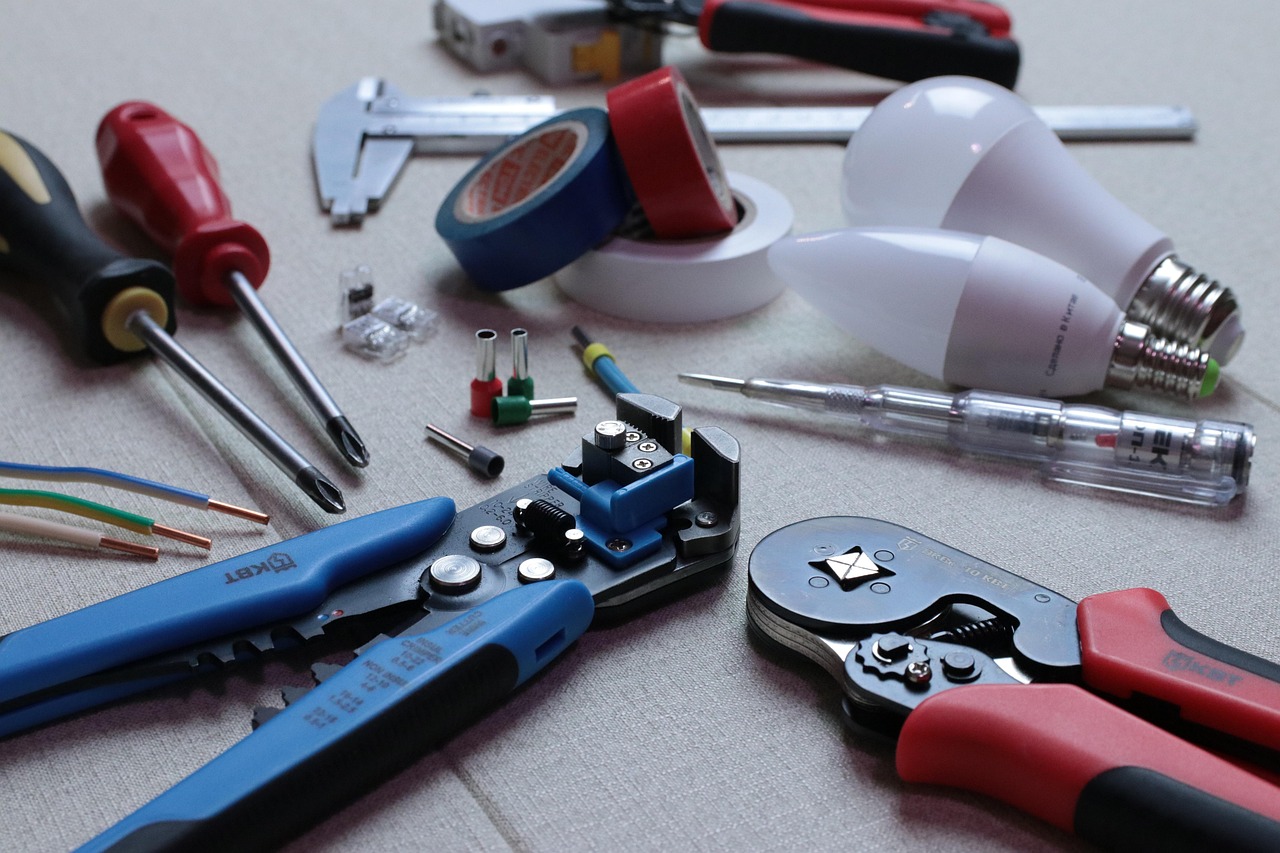
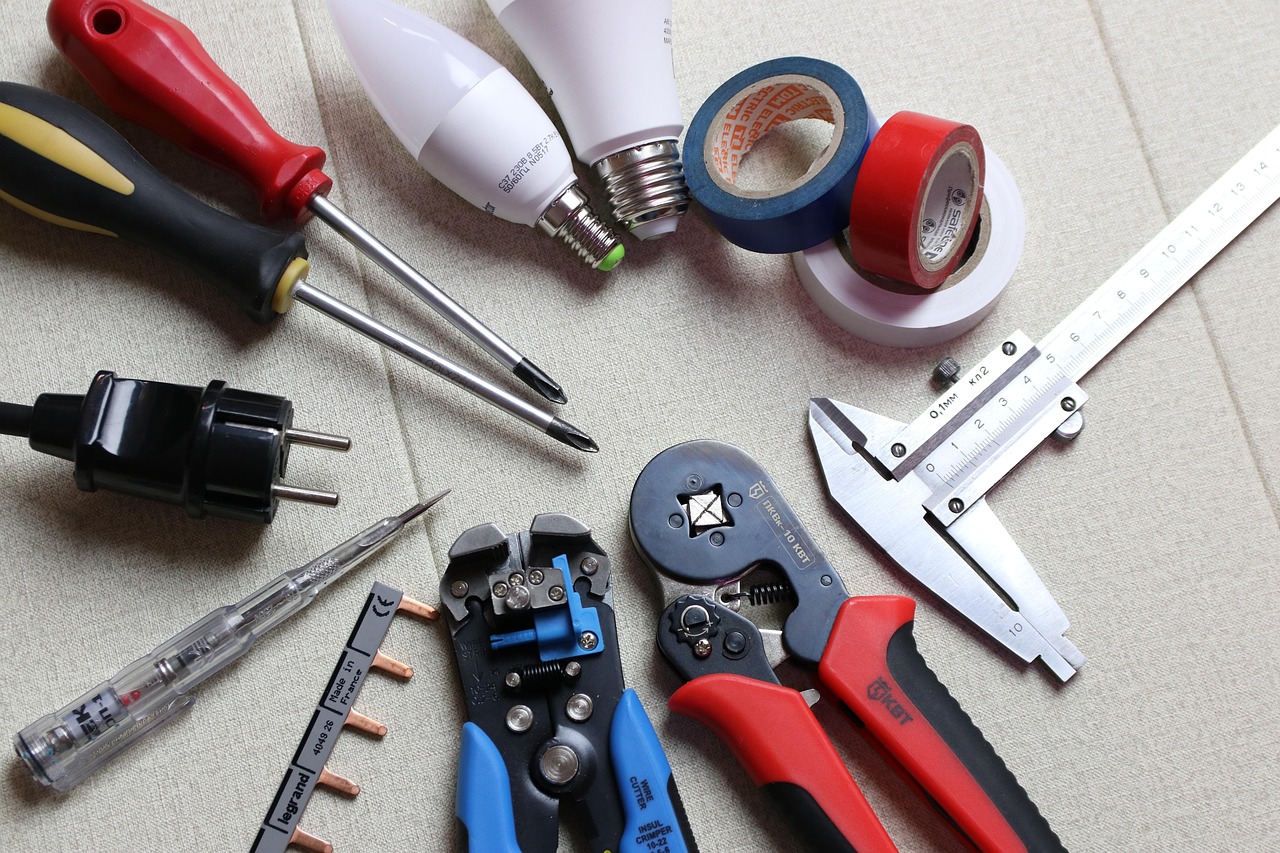
TL;DR: Facing electrical issues? Before calling a professional, explore these practical troubleshooting tips from local Tampa Bay electrician services experts. From identifying common problems to performing safe DIY fixes, this guide empowers you to save money and avoid unnecessary service calls.
Introduction
In the comfort of our homes, reliable electricity is often taken for granted. However, when an electrical malfunction occurs, it can disrupt our routines and put a strain on our budgets. In Tampa Bay, FL, access to quality and affordable electrician services is crucial. While professional electricians are essential for complex repairs, learning some basic troubleshooting techniques can help you identify minor issues and potentially save money on service calls. This guide, tailored by local Tampa Bay electrician service providers, explores practical DIY electrical fixes that could keep your home running smoothly while keeping costs low.
Understanding Common Tampa Bay Electrical Issues
Before tackling any problem, it’s helpful to be aware of the most common electrical issues plaguing Tampa Bay homes:
-
Overloaded Circuits: This is one of the most frequent causes of electrical problems. When too many appliances are plugged into a single circuit, it can lead to tripped breakers or blown fuses.
-
Faulty Wiring: Old or poorly installed wiring can become damaged over time, leading to arcing, sparking, or even fires.
-
Outdated Electrical Panels: Outdated electrical panels may not be equipped to handle modern appliances’ high power demands, resulting in frequent issues.
-
Grounded Out Extensions: Extension cords that have become grounded can cause outlets to stop working and present potential safety hazards.
Local Tampa Bay Electrician Services: DIY Troubleshooting Tips
1. Identify the Issue: Start with Simple Checks
Before attempting any repairs, follow these initial troubleshooting steps:
- Check for Power: Ensure that the circuit breaker panel is on and all breakers are in the "on" position.
- Inspect Outlets: Test outlets with a working appliance to see if they’re functioning. Replace any burnt-out fuses or broken outlet covers.
- Examine Lights: Check for flickering or dim lights, which could indicate a faulty wiring problem.
- Research Online: Use online resources and search tools to diagnose specific symptoms. The internet is a valuable tool for understanding common issues and their solutions.
2. Safe Handling of Electrical Components
Safety should always be your top priority when dealing with electricity. Before beginning any DIY electrical repair, remember these precautions:
- Turn Off Power: Always turn off the power at the main circuit breaker or fuse box before working on any electrical components to avoid electric shock.
- Use Protective Gear: Wear non-conductive gloves and safety glasses to protect yourself from potential hazards.
- Work with a Licensed Professional: For complex issues, consult a licensed electrician in Tampa Bay to ensure safe and effective resolution.
3. Simple Fixes You Can Do Yourself
Many minor electrical problems can be easily resolved using these DIY techniques:
- Replace Burned-Out Fuses: If you encounter a blown fuse, check the circuit breaker panel for any tripped breakers. Replace fuses with the correct amperage rating.
- Repair or Replace Damaged Wiring: Look for exposed or frayed wires and consider replacing them if they’re heavily damaged. For minor issues, use electrical tape to secure the wire.
- Unplug Grounded Out Extensions: If an extension cord has become grounded, unplug it and check for any loose connections.
- Clean Corroded Outlets: Corrosion can cause outlets to malfunction. Use a solution of baking soda and water to clean them thoroughly.
4. When to Call a Professional Electrician
While DIY troubleshooting can save money, some issues require professional attention:
- Major Wiring Issues: Complex wiring problems, such as faulty wiring or outdated electrical panels, are best left to licensed Tampa Bay electricians.
- No Heat in Radiators or Baseboards: This could indicate a problem with your heating system, which should be diagnosed and repaired by a qualified technician.
- Recurrent Tripped Breakers: Frequent breaker trips suggest an underlying problem that requires professional analysis.
- Complex Upgrades: When installing new appliances or making significant home upgrades, consult licensed electricians for safe and code-compliant installations.
Frequently Asked Questions (FAQs)
Q: How do I find a reputable electrician in Tampa Bay?
A: Ask for referrals from friends and neighbors, check online reviews, and ensure the electrician is properly licensed and insured.
Q: What should I do if I smell burning plastic when using an electrical appliance?
A: Immediately unplug the appliance and contact a professional electrician to avoid potential hazards like fires or electric shock.
Q: Can I replace my own fuse box?
A: While you can replace individual fuses, replacing the entire fuse box is a complex task best left to a licensed electrician to ensure safety and code compliance.
Q: How often should I have my electrical panel inspected?
A: It’s recommended to have your electrical panel inspected by a professional electrician every 10-15 years to ensure it’s functioning safely and effectively.
Conclusion
While Tampa Bay FL electrician services can be expensive, learning basic troubleshooting techniques can help you save money on service calls. Remember, safety is paramount when dealing with electricity. For minor issues, these DIY tips can keep your home running smoothly. However, always consult a licensed professional for complex or potentially dangerous problems. By understanding common electrical issues and knowing when to seek expert help, you’ll be better equipped to maintain a safe and efficient home environment.
References
- Electrician near Tampa, FL | Better Business Bureau — www.bbb.org
- IBEW Local 915 — www.ibew915.org