TL;DR
Need help with electrical problems in your Tampa Bay home? This guide outlines common issues, provides a step-by-step troubleshooting process, and connects you with affordable Tampa Bay electrician services nearby. From identifying basic problems to understanding when to call professionals, this resource equips homeowners with the knowledge they need for safer, more efficient electrical systems.
Introduction to Tampa Bay FL Electrician Services
In the heart of Florida’s sunny coast lies Tampa Bay, a vibrant community where homes range from cozy bungalows to modern mansions. With such diverse living spaces comes a wide array of electrical needs and potential problems. Whether you’re facing a flickering light, a tripped circuit breaker, or a complete power outage, Tampa Bay FL electrician services are crucial for maintaining a safe and comfortable home environment.
This guide is designed to empower homeowners in the Tampa Bay area by offering practical solutions for common electrical issues and highlighting the importance of calling on licensed professionals when necessary. We’ll navigate you through every step, ensuring your peace of mind and electrical system’s longevity.
Common Electrical Issues in Tampa Bay Homes
Understanding typical problems that plague Tampa Bay homes can help homeowners prepare and prevent future incidents. Here are some common issues:
- Overloaded Circuits: This is a frequent occurrence in older homes with outdated wiring or multiple high-power appliances plugged in simultaneously. It results in tripped circuit breakers or blown fuses, leading to temporary power loss.
- Flickering Lights: Unstable voltage levels can cause lights to flicker intermittently. This issue often stems from issues within the electrical panel, faulty wiring, or loose connections.
- Power Outages: Though inconvenient, power outages are a common occurrence in Tampa Bay due to severe weather or maintenance. Identifying the source of the outage is crucial for effective troubleshooting.
- Faulty Outlets and Switches: Over time, outlets and switches can wear out, become loose, or develop internal damage, leading to intermittent power supply or complete malfunction.
- Old Wiring: Outdated electrical wiring, especially in older homes, poses a significant safety risk. It may include fragile knob-and-tube wiring or aluminum wiring that requires professional attention for safety and efficiency.
Step-by-Step Guide to Troubleshooting Common Issues
1. Identify the Problem
The first step is recognizing the specific electrical issue at hand. Observe any unusual behavior in your home’s electrical system, such as:
- Lights flickering or dimming
- Circuit breakers tripping frequently
- Outlets that are warm to the touch or emit a burning smell
- Power outages affecting specific rooms or the entire house
- Difficulty powering on appliances or electronics
2. Safety First: Turn Off Power at the Main Break
Before attempting any troubleshooting, prioritize safety by turning off the main power supply to your home. Locate your electrical panel and switch off the main breaker or pull out the circuit breaker responsible for the affected area. This simple step prevents accidents during repair work.
3. Check for Overloaded Circuits
One of the most common causes of problems is an overloaded circuit. Examine the affected circuit(s) and follow these steps:
- Identify High-Power Devices: Check labels on appliances or electronics to determine their wattage or power consumption. High-wattage devices like air conditioners, dryers, or space heaters can overload circuits.
- Unplug Non-Essentials: Disconnect non-essential appliances or devices from the circuit. This immediately reduces the load and may resolve the issue.
- Upgrade Circuit Breakers (if necessary): If your home has outdated wiring, consider consulting a licensed electrician to upgrade to larger circuit breakers suitable for modern electrical demands.
4. Investigate Fluctuating Voltage (Flickering Lights)
Flickering lights often signal unstable voltage levels in your home’s electrical system:
- Check External Factors: Severe weather or nearby construction projects can interfere with power lines, leading to voltage fluctuations. Check for any visible damage to external wiring.
- Inspect the Electrical Panel: Ensure that all fuses are intact and properly seated. Loose connections within the panel might be causing instability. Consider calling an electrician if you suspect a more significant issue.
- Rule Out Faulty Wiring: Over time, wiring can become loose or damaged, leading to intermittent power supply. A licensed Tampa Bay electrician can diagnose and repair these issues.
5. Handle Power Outages Effectively
Power outages are a fact of life in Tampa Bay, especially during hurricane seasons:
- Identify the Source: Check your neighborhood for similar experiences. If the outage is localized, contact your utility provider to report the issue. Wider disruptions might be due to severe weather or maintenance.
- Use Flashlights and Battery-Powered Devices: Ensure you have flashlights readily available for temporary lighting during outages. Use battery-powered fans, heaters, or refrigerators sparingly to conserve battery life.
- Avoid Using Generators Indoors: Never operate generators inside your home, garage, or any enclosed space due to the risk of carbon monoxide poisoning.
6. Troubleshoot Faulty Outlets and Switches
Outlets and switches that don’t work properly can be both frustrating and potentially hazardous:
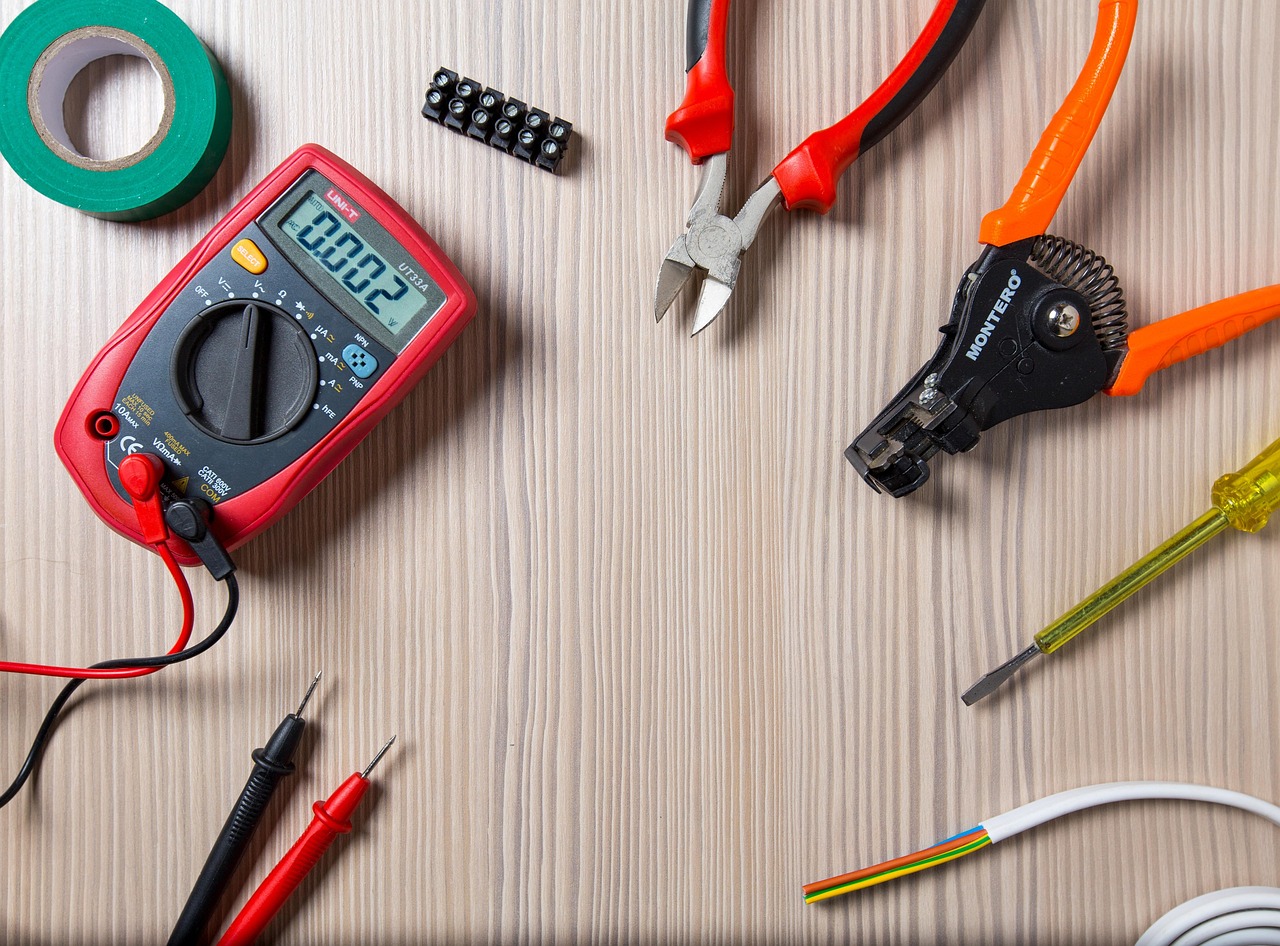
- Check for Loose Connections: Inspect the outlet or switch for any visible signs of damage, corrosion, or loose wiring inside. A multimeter can help diagnose faulty components.
- Replace Burned-Out Components: If an outlet or switch has been damaged by overheating, replace it with a new one that matches the voltage and amperage rating of your home’s electrical system.
- Consider Upgrading to GFCI Outlets: In areas prone to water exposure, Ground Fault Circuit Interrupter (GFCI) outlets are essential for preventing electric shocks. Consult an electrician if you need assistance installing them.
7. Address Old or Outdated Wiring
Outdated wiring is a fire hazard and can lead to inefficient energy use:
- Identify Knob-and-Tube Wiring: This obsolete wiring system uses individual wire strands exposed within walls and connected with ceramic knobs and tubes. It’s inherently unsafe and should be replaced by a licensed electrician.
- Aluminum Wiring: If your home was built before the 1970s, it might have aluminum wiring, which expands and contracts more than copper. This can lead to loose connections and increased fire risk. Testing and potential upgrades are recommended.
- Consult a Professional: For any significant electrical work involving old wiring, always engage the services of a licensed Tampa Bay electrician for safety and compliance with local regulations.
When to Call a Professional Electrician in Tampa Bay
Not all electrical issues require professional intervention, but some situations clearly call for the expertise of a best licensed electrician Tampa Bay specialist:
- Major Outages or Fire Hazards: If you experience widespread power outages or detect signs of fire hazards like burning smells, smoke, or flickering lights accompanied by unusual noises, evacuate immediately and contact emergency services and an electrician.
- Outdated Wiring or Major Repairs: Upgrading outdated wiring, repairing major damage, or replacing entire electrical panels are complex tasks best left to professionals.
- Unsure About Safety: If you’re unsure about any aspect of your home’s electrical system, it’s always safer to consult a licensed electrician for expert advice and repair services.
Finding Reliable Tampa Bay FL Electrician Services
With numerous electricians in the Tampa Bay area, choosing the right one is essential:
- Research Online: Look for local electrician businesses with positive customer reviews on platforms like Google or Angie’s List. Websites should clearly display their services, licensing, and insurance information.
- Request Recommendations: Ask friends, neighbors, or colleagues for referrals. Personal recommendations can provide valuable insights into an electrician’s reliability and work quality.
- Check Licenses and Insurance: Ensure the electrician holds a valid Florida license and carries comprehensive insurance coverage to protect both you and your property during installation or repair work.
Frequently Asked Questions (FAQs)
Q: How much does it cost to hire an electrician in Tampa Bay?
A: Rates vary depending on the complexity of the job, experience level of the electrician, and time required for completion. A simple outlet replacement might cost around $50-$100, while major rewiring or panel upgrades can range from several hundred to a few thousand dollars. Get quotes from multiple electricians for accurate pricing information.
Q: What should I do if I suspect faulty wiring?
A: Do not attempt to diagnose or repair faulty wiring yourself as it poses a significant risk of electrical shock, fire, or other hazards. Immediately turn off the power at your main breaker and contact a licensed electrician to inspect and rectify any issues.
Q: Can I perform minor repairs like replacing a blown fuse myself?
A: While replacing a blown fuse is relatively simple, it’s best left to a professional for several reasons. Electrical work involves dealing with high voltages, which can be dangerous if not handled correctly. A licensed electrician has the training and equipment needed to ensure safety during such tasks.
Q: What happens if an electrician damages my property during work?
A: Reputable electricians carry insurance coverage that should protect your property in the event of damage during their work. If issues arise, communicate openly with the electrician, and document any damage for insurance purposes.
Q: How can I prepare my home for a potential power outage?
A: Power outages are an inevitable part of living in Tampa Bay. Prepare by keeping flashlights, battery-powered radios, non-perishable food items, and bottled water readily available. Install battery backups or generators (never indoors) for essential appliances, and ensure your vehicle’s gas tank is always at least half full during hurricane seasons.
Conclusion
From overloaded circuits to outdated wiring, Tampa Bay FL electrician services play a vital role in maintaining a safe and comfortable home environment. By understanding common electrical issues, following practical troubleshooting steps, and knowing when to call professionals, homeowners can take proactive measures to protect their investments and ensure peace of mind. Remember to always prioritize safety when dealing with any aspect of your home’s electrical system.
References
- Electrician near Tampa, FL | Better Business Bureau — www.bbb.org
- Electrical Contractors near Tampa, FL | Better Business Bureau — www.bbb.org