TL;DR: Facing flickering lights, circuit breakers tripping, or power outages? This guide equips you with essential knowledge to troubleshoot common electrical panel issues. From identifying problem sources to finding reliable tampa bay fl electrician services, we’ve got you covered.
Introduction: Unlocking the Secrets of Your Home’s Electrical Panel
Many homeowners overlook their electrical panels until trouble strikes. However, understanding your home’s electrical system and knowing how to troubleshoot common issues can save you from inconvenient power outages and potentially costly repairs. Whether you’re experiencing flickering lights, frequent circuit breaker trips, or a complete loss of power, this guide offers expert tips on identifying and addressing problems – tampa bay fl electrician services at your fingertips.
Understanding Your Electrical Panel: Your Home’s Power Center
Your electrical panel acts as the central command center for your home’s electricity flow. It distributes power from the main utility connection to circuits that feed various outlets, switches, and appliances throughout your house. Familiarize yourself with these key components:
-
Circuit Breakers: These safety devices protect your electrical system by interrupting power flow when they detect an overload. Each circuit breaker is responsible for a specific group of outlets and fixtures.
-
Fuses: Older homes might use fuses instead of circuit breakers. Fuses blow (disconnect) to prevent overcurrent, protecting the wiring and appliances.
-
Outlets and Switches: These are the endpoints of circuits, where power is delivered to light fixtures, appliances, and devices.
-
Main Breaker: The main breaker controls the flow of electricity into your entire home. It should always be in the "ON" position.
Diagnosing Common Electrical Panel Issues: A Step-by-Step Approach
1. Identify the Outage or Issue
Start by pinpointing the problem. Is a single outlet not working? Do lights flicker when you turn on appliances? Note the specific areas affected and any patterns in the malfunction.
2. Check for Power at the Circuit Breaker Box
Locate your electrical panel (usually in a basement, garage, or utility room) and examine the circuit breakers. Does a breaker tripped indicate a problem within that circuit? If power is absent from the entire home, the main breaker might be off or there could be a power outage from the utility company.
3. Test Individual Circuits
-
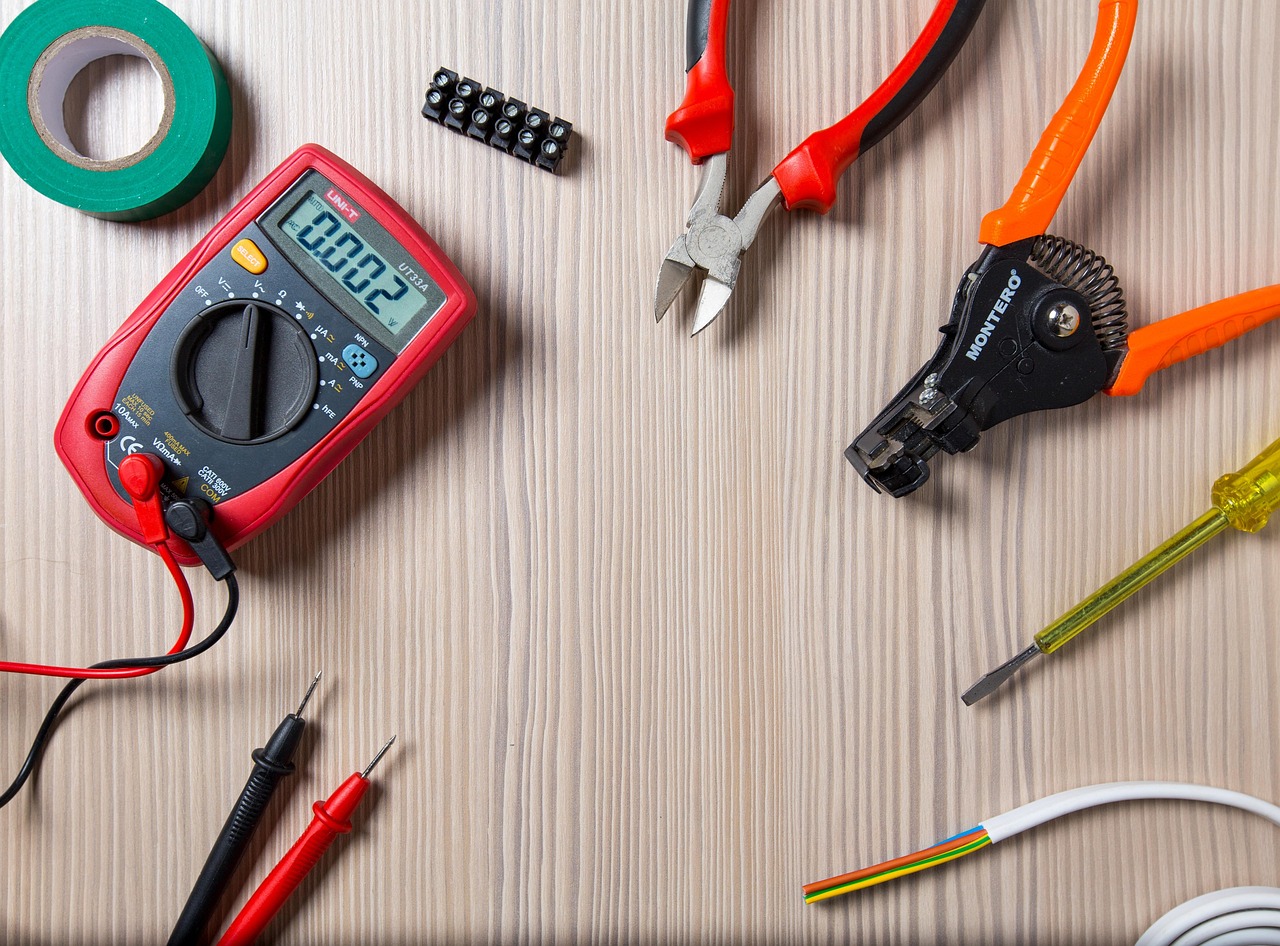
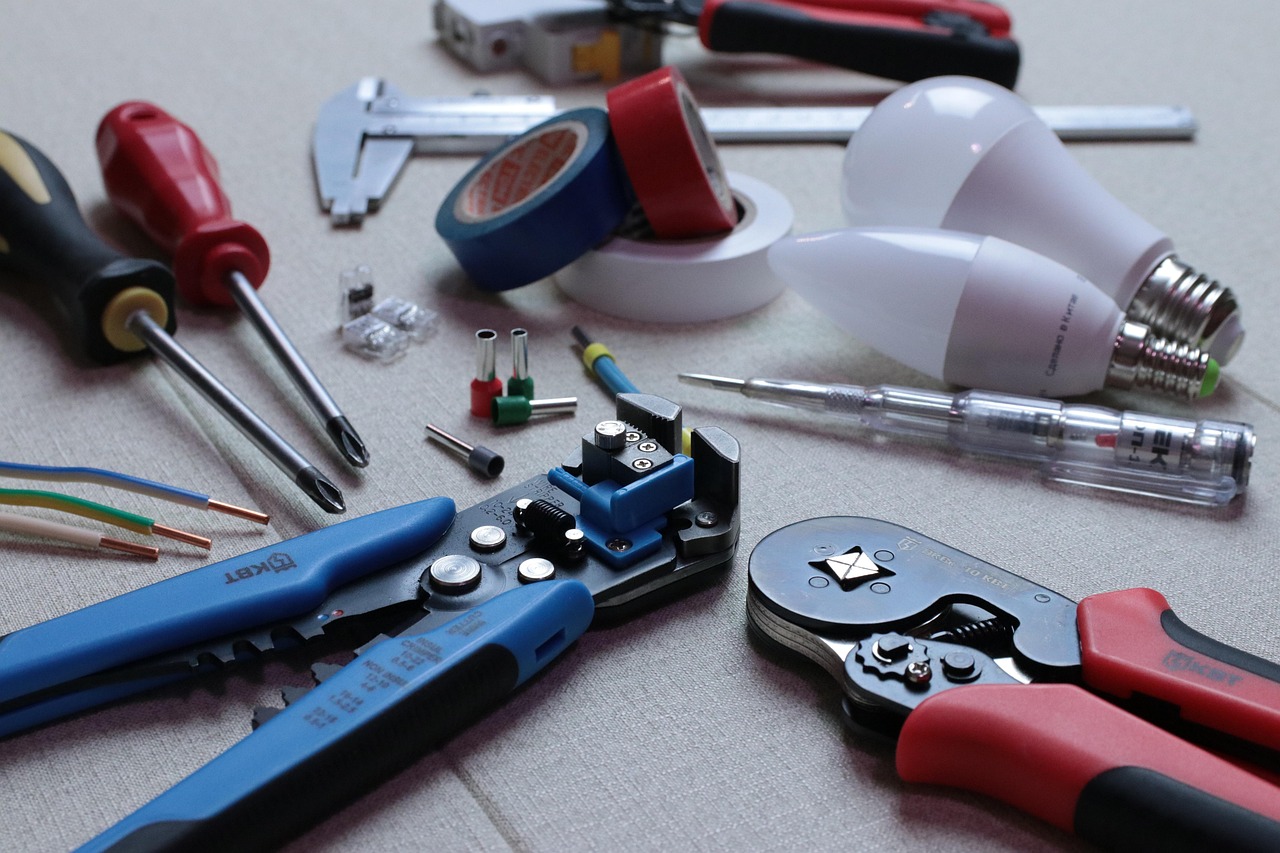
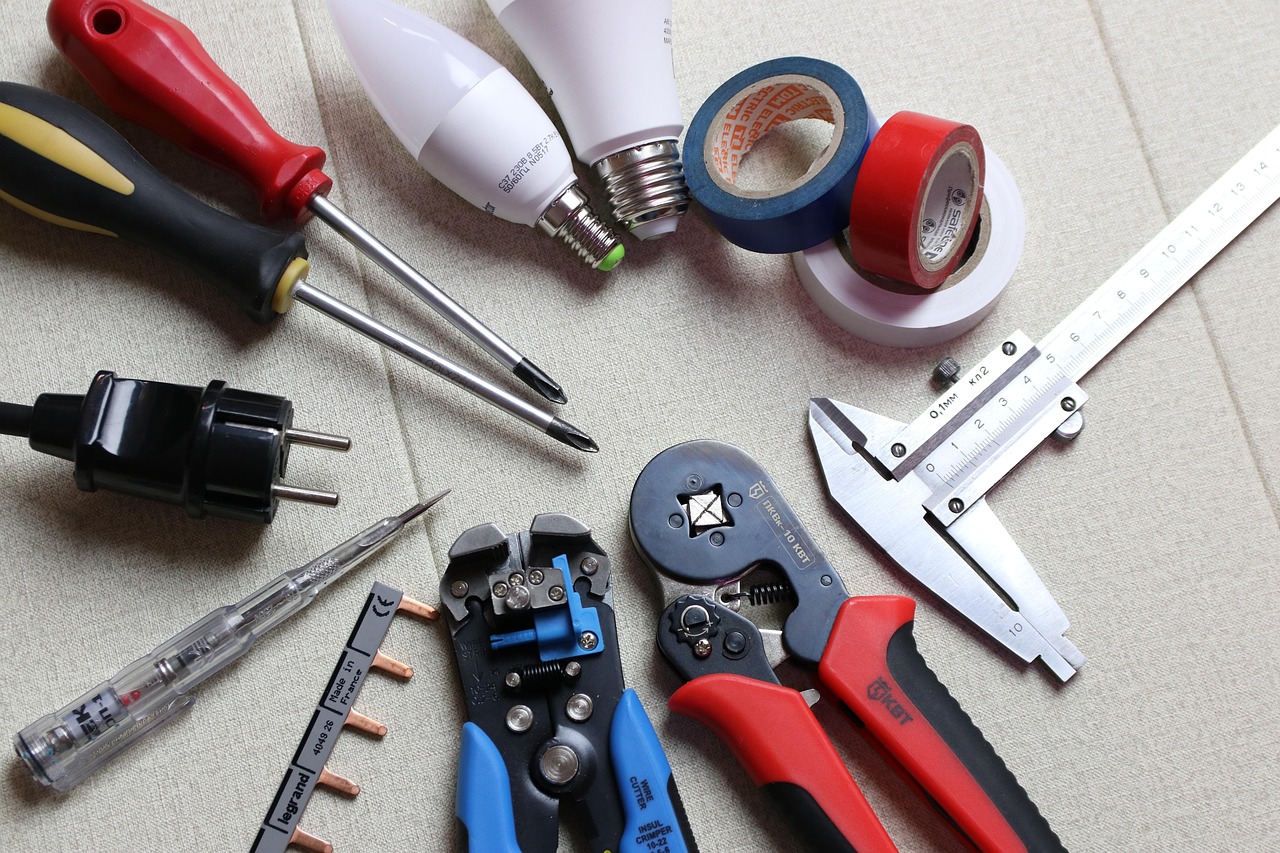
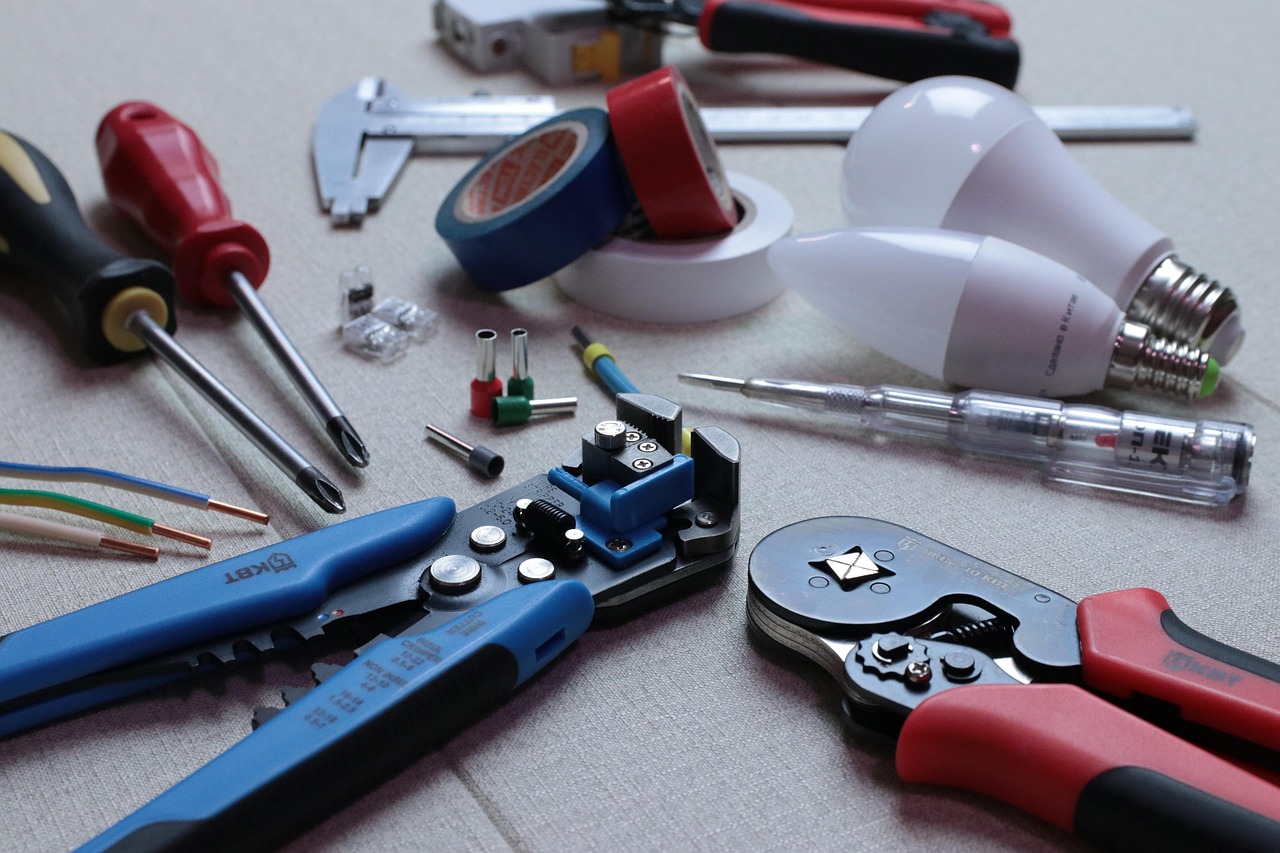
Use a Voltage Tester: This tool measures voltage in wires to confirm if current is flowing through each circuit. Test outlets and switches one by one to isolate the faulty area.
-
Inspect Wires for Damage: Examine visible wires for signs of fraying, exposure, or damage, which could lead to shorts and malfunctions.
4. Consider Overloaded Circuits
One of the most common causes of electrical panel issues is overloading circuits with too many devices drawing power simultaneously. Check:
- Appliance Usage: Are high-power appliances (e.g., air conditioners, dryers) running at the same time?
- Outlet Overload: Is a circuit supplying too many outlets or devices? Unplug unnecessary items to reduce load.
5. Look for Loose Connections
Loose connections can cause intermittent power loss and voltage fluctuations. While some loose connections may be visible, others require professional inspection with specialized tools. In either case, contacting a licensed Tampa Bay electrician is essential for safe correction.
Troubleshooting Common Electrical Panel Problems: A Deep Dive
1. Flickering Lights: More Than Just an Annoyance?
Flickering lights often signal voltage fluctuations caused by:
- Loose Connections: As mentioned, loose connections within the panel or on circuits can lead to inconsistent power delivery and light flicker.
- Overloaded Circuits: Too many devices drawing power on a single circuit can cause voltage drops that make lights flicker.
Solution: Identify the affected circuit using a voltage tester, then address any found issues (tighten connections, reduce load).
2. Circuit Breaker Trips: A Frequent Headache?
If your circuit breakers are constantly tripping, it’s a sign of an underlying problem that needs immediate attention to prevent potential damage to your electrical system and appliances. Common causes include:
- Overloaded Circuits: Similar to flickering lights, excessive current draw can overload circuits and trigger breakers.
- Faulty Wiring or Components: Loose connections, damaged wires, or defective components within the circuit require professional repair by a Tampa Bay electrician.
Solution: Identify the faulty circuit using a breaker test button (if available) and consult with a qualified electrician to make safe repairs.
3. No Power: When the Lights Are Completely Out
If you’re experiencing a complete power outage, follow these steps:
- Check Main Breaker: Ensure the main breaker is in the "ON" position. If it’s already on, try resetting it by switching it off and then back on.
- Inspect for Power Outage: Contact your local utility company to confirm if there’s a scheduled outage or an emergency power interruption.
- Call a Professional: If the problem persists, contact a same day electrician Tampa for diagnosis and repair.
When to Call in the Experts: Finding Reliable Tampa Bay FL Electrician Services
Some electrical issues are easily addressed through basic troubleshooting, but many require the expertise of a licensed electrician. Tampa Bay fl electrician services professionals have the tools, knowledge, and experience to safely diagnose and fix complex problems like:
-
Complex Wiring Issues: Older homes often have outdated wiring that can be dangerous and difficult to troubleshoot.
-
Electrical Fire Hazards: Never attempt to repair a circuit or panel if you suspect a fire hazard. Contact an electrician immediately for safe removal of faulty components.
-
High Voltage Work: Some repairs, like working on the main electrical panel or high-voltage wiring, require specialized training and equipment.
Frequently Asked Questions (FAQs)
- How do I know if my electrical panel needs to be replaced?
An outdated or failing electrical panel may show signs like frequent breaker trips, flickering lights, or overheating. A qualified electrician can assess your panel’s condition and recommend the best course of action, which might include replacement.
- What’s the difference between a circuit breaker and a fuse?
Circuit breakers are modern safety devices that interrupt power flow when they detect an overload. Fuses, used in older homes, blow (disconnect) to prevent overcurrent, protecting the wiring and appliances.
- How often should I have my electrical panel inspected?
It’s recommended to have a professional inspection of your electrical panel every 10-15 years, or sooner if you suspect issues or after major home renovations.
- What should I do if I smell burning plastic near my electrical panel?
If you detect a strong, unpleasant odor resembling burning plastic around your electrical panel, immediately turn off power at the main breaker and contact an electrician. It could indicate overheating or other potential hazards.
5. How can I reduce the risk of electrical fires in my home?
Regularly inspect wiring for signs of damage or wear, avoid overloading circuits, use surge protectors on sensitive electronics, and ensure proper installation and maintenance by a licensed electrician.
Conclusion: Empowering You with Knowledge for Safe Electrical Maintenance
Understanding your home’s electrical panel is the first step in preventing costly repairs and ensuring safety. By mastering basic troubleshooting techniques and knowing when to call in affordable Tampa Bay electrician services, you can take control of your home’s electricity. Remember, always prioritize safety – don’t hesitate to reach out to professionals for help if you’re unsure or uncomfortable tackling electrical issues yourself.
References
- Electrician near Tampa, FL | Better Business Bureau — www.bbb.org
- Electrical Contractors near Tampa, FL | Better Business Bureau — www.bbb.org