TL;DR: Looking to renovate your Tampa Bay home? This guide reveals best practices for electrical safety, highlighting the importance of hiring a licensed electrician, understanding code requirements, and recognizing common renovation-related hazards. Learn how to ensure your project stays safe and compliant with expert Tampa Bay electrician services.
Tampa Bay FL Electrician Services: Prioritizing Safety During Renovations
Renovating your home is an exciting endeavor, but it also presents potential electrical hazards. Navigating electrical systems can be complex, especially when modifications are involved. Tampa Bay FL electrician services play a vital role in ensuring your safety and the successful completion of your project. This guide provides essential information to help you make informed decisions and create a safe environment for your renovation.
Understanding Tampa Bay’s Electrical Code
Before starting any renovation, understanding local building codes is crucial. Tampa Bay adheres to specific electrical codes designed to protect residents and prevent electrical fires. These regulations cover:
- Wiring methods and materials: The type of wiring and components used must meet code standards for safety.
- Outlets and switches: The placement and type of outlets and switches are regulated.
- Grounding and bonding: These crucial safety measures protect against electrical shocks.
- Lighting fixtures: Certain types of lighting and their installations require approval.
Hiring a Licensed Electrician:
To ensure compliance and safety, always hire a best licensed electrician Tampa Bay. Licensed professionals are trained and certified to work according to local codes, have the proper tools and equipment, and understand the latest safety practices. They can help you navigate permitting requirements and identify potential issues before they become dangerous.
Common Renovation Electrical Hazards
While working on your renovation, be aware of these common electrical hazards:
-
Overloaded Circuits: Adding too many devices to a single circuit can cause overheating and potential fires.
-
Inadequate Wiring: Using the wrong type of wiring or installing it improperly can lead to malfunctions and safety risks.
-
Exposed Wiring: Open or exposed wires are a major fire hazard.
-
GFCI Outlets: Not all outlets are GFCI (Ground Fault Circuit Interrupter) protected, which can be a serious risk in damp areas like bathrooms and kitchens.
-
Outdated Electrical Systems: Older homes may have outdated wiring that cannot handle the demands of modern appliances.
Best Practices for Safe Renovations
Implementing these best practices will help keep your renovation project safe and ensure compliance with Tampa Bay FL electrician services:
1. Consult with a Professional:
Before starting any electrical work, consult with a same day electrician Tampa or a nearby professional electrician. They can assess your project, identify potential hazards, and provide solutions tailored to your specific needs.
2. Obtain Permits:
Obtain the necessary permits from your local building department before starting any electrical renovations. This ensures your work complies with local codes and allows for inspections to verify safety.
3. Turn Off Power:
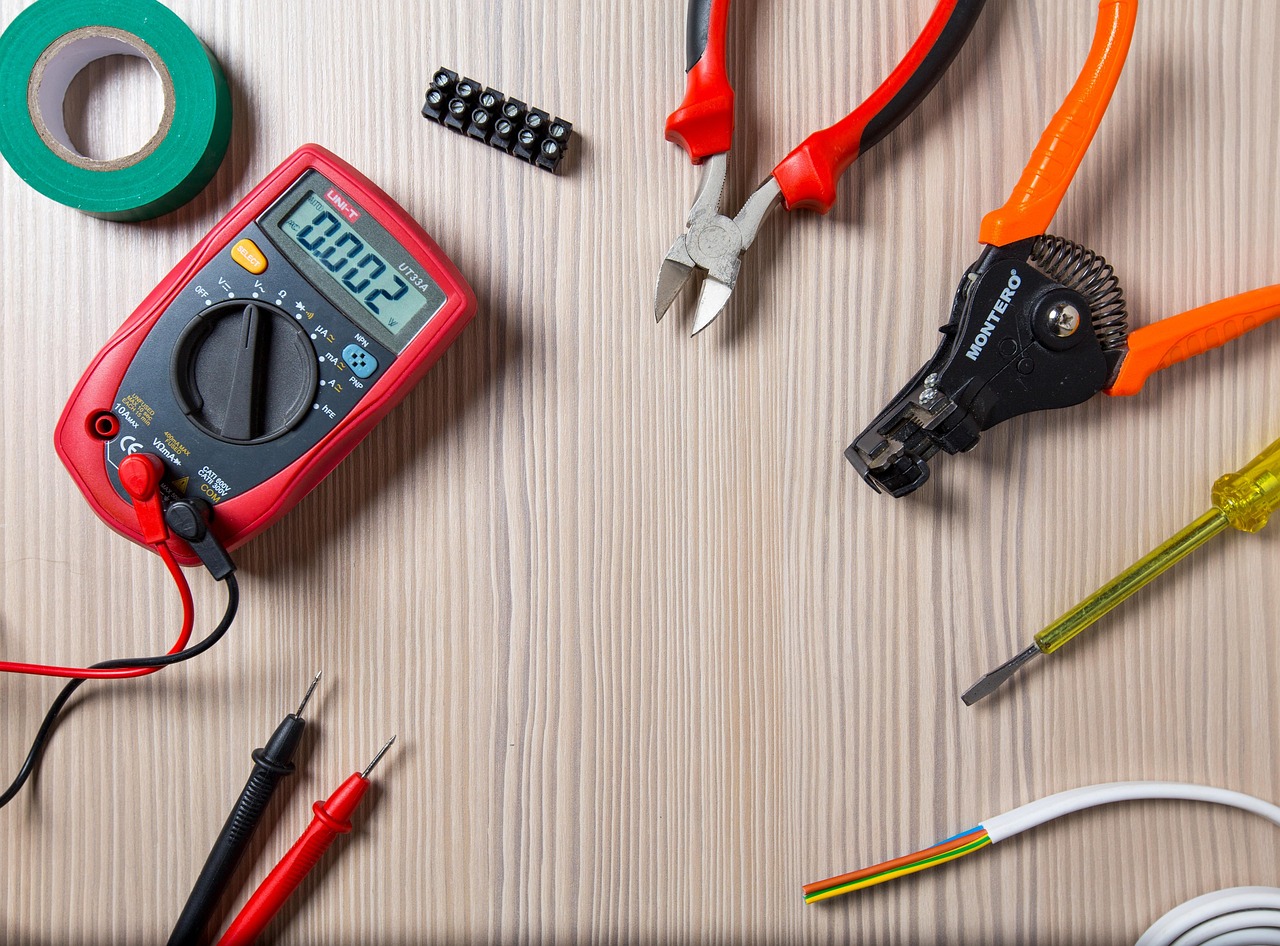
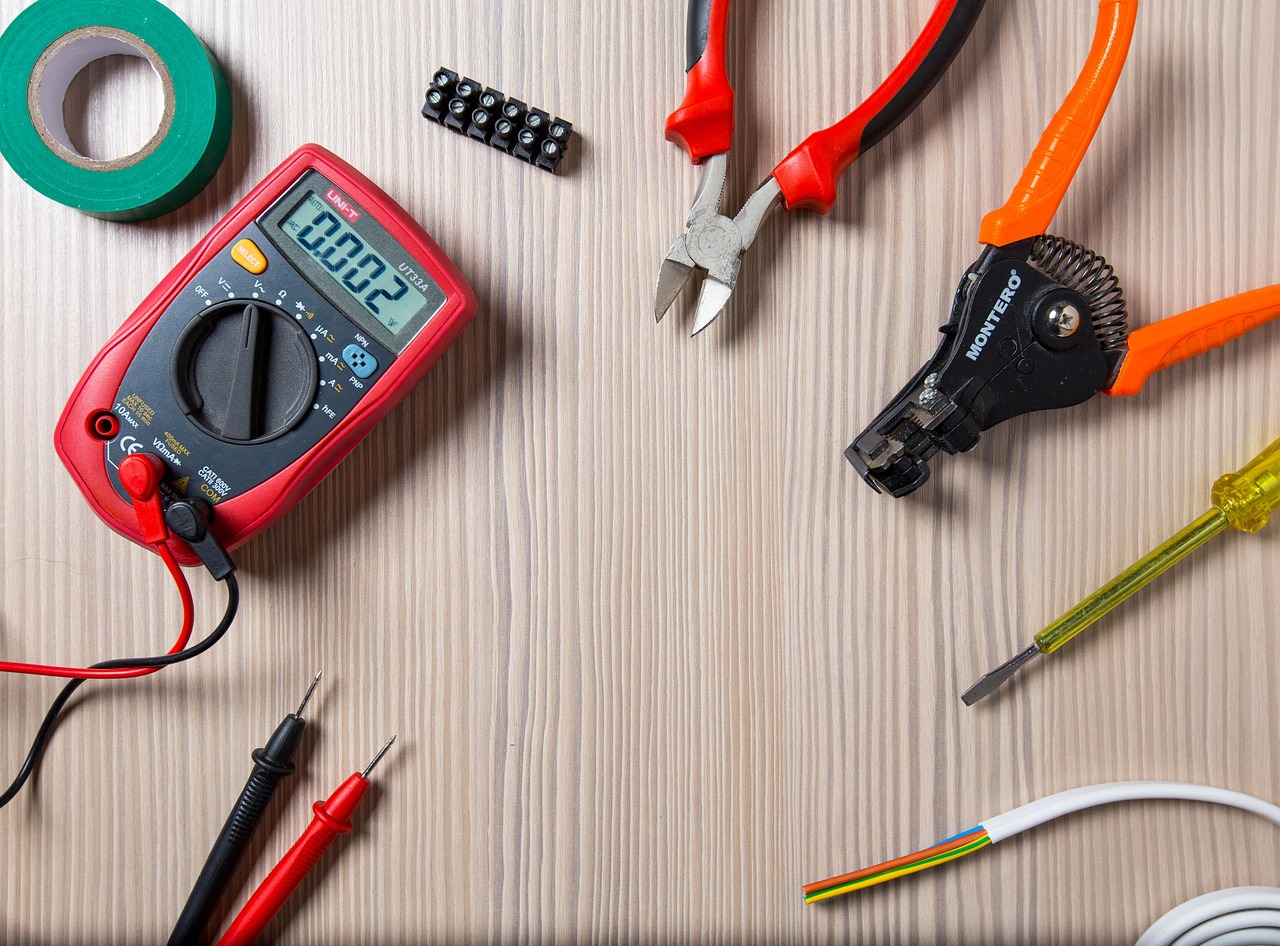
Always turn off the power to the circuit you’re working on before beginning any electrical work. Use a voltage tester to confirm the power is off.
4. Use Proper Tools and Materials:
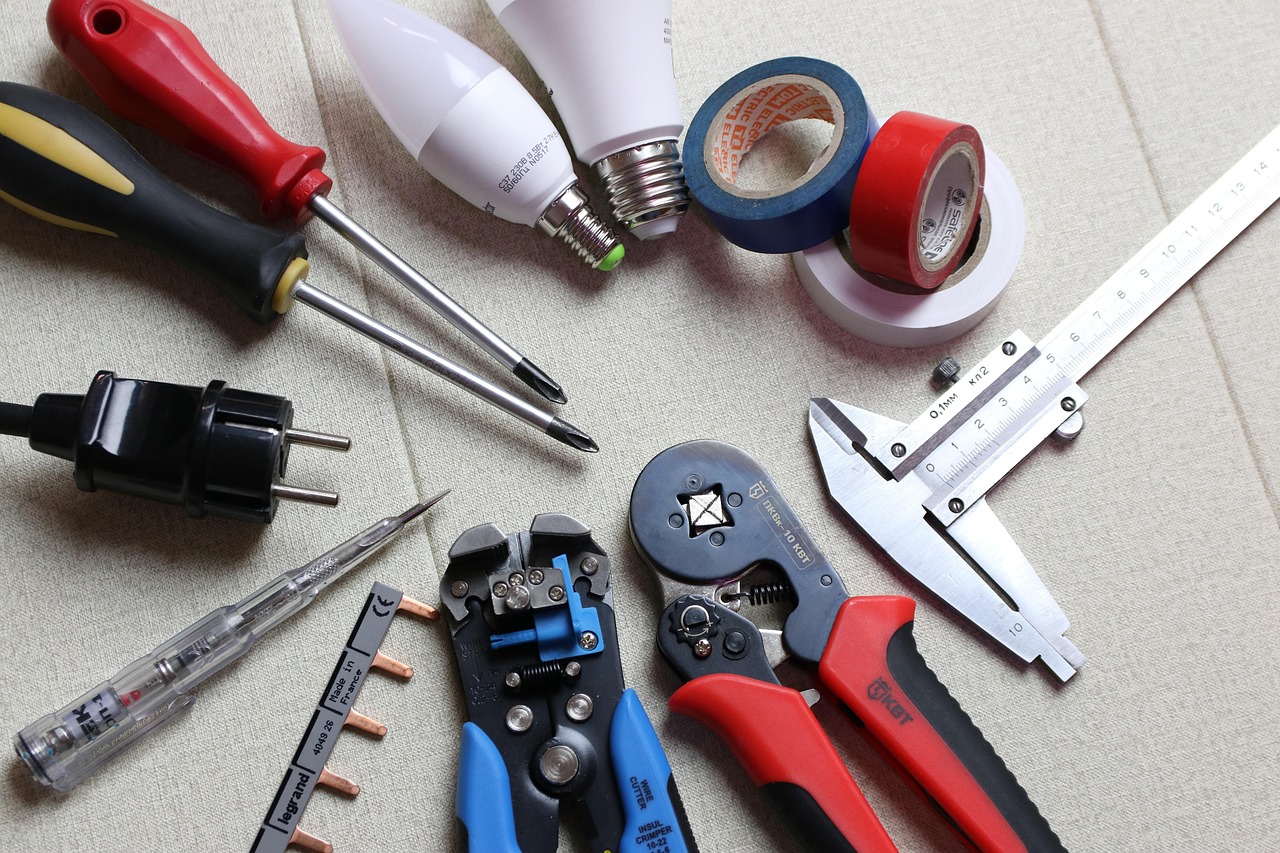
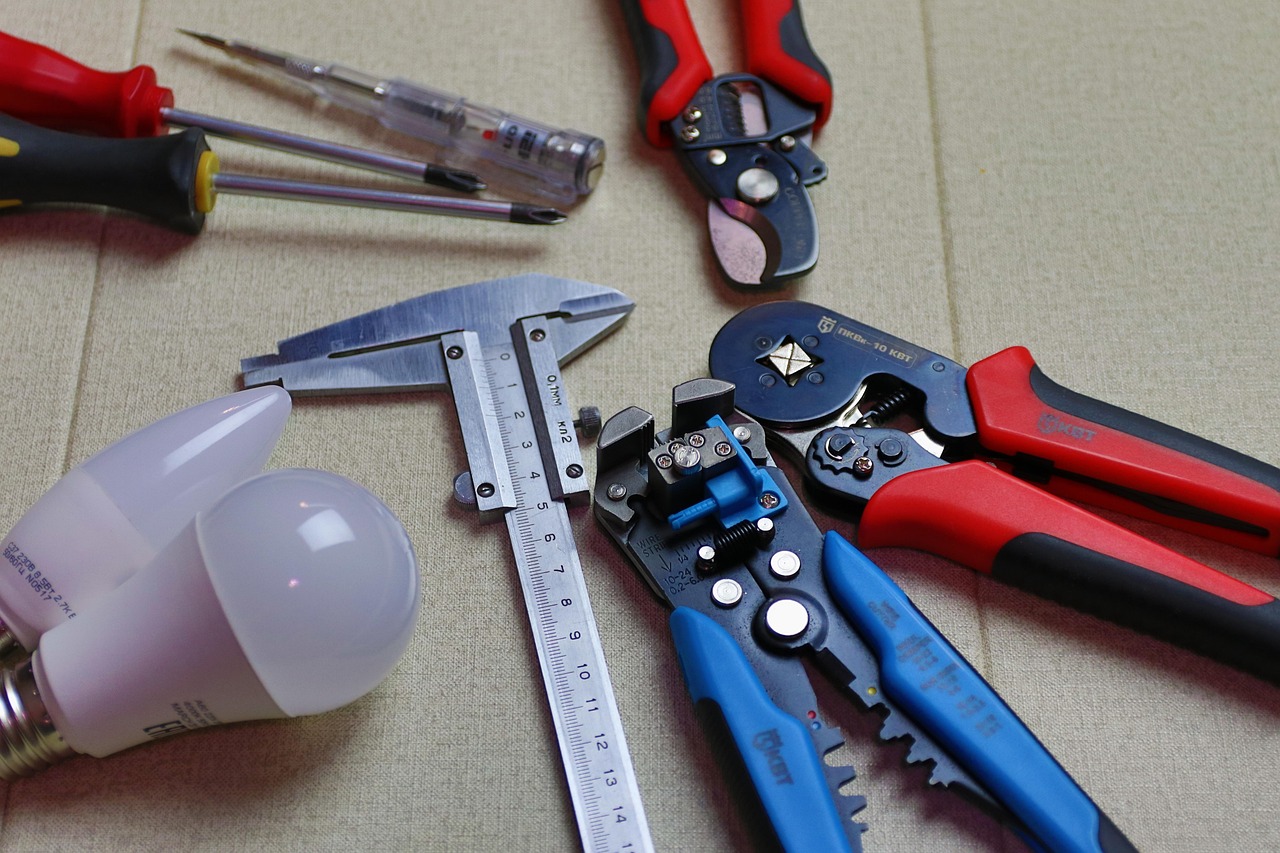
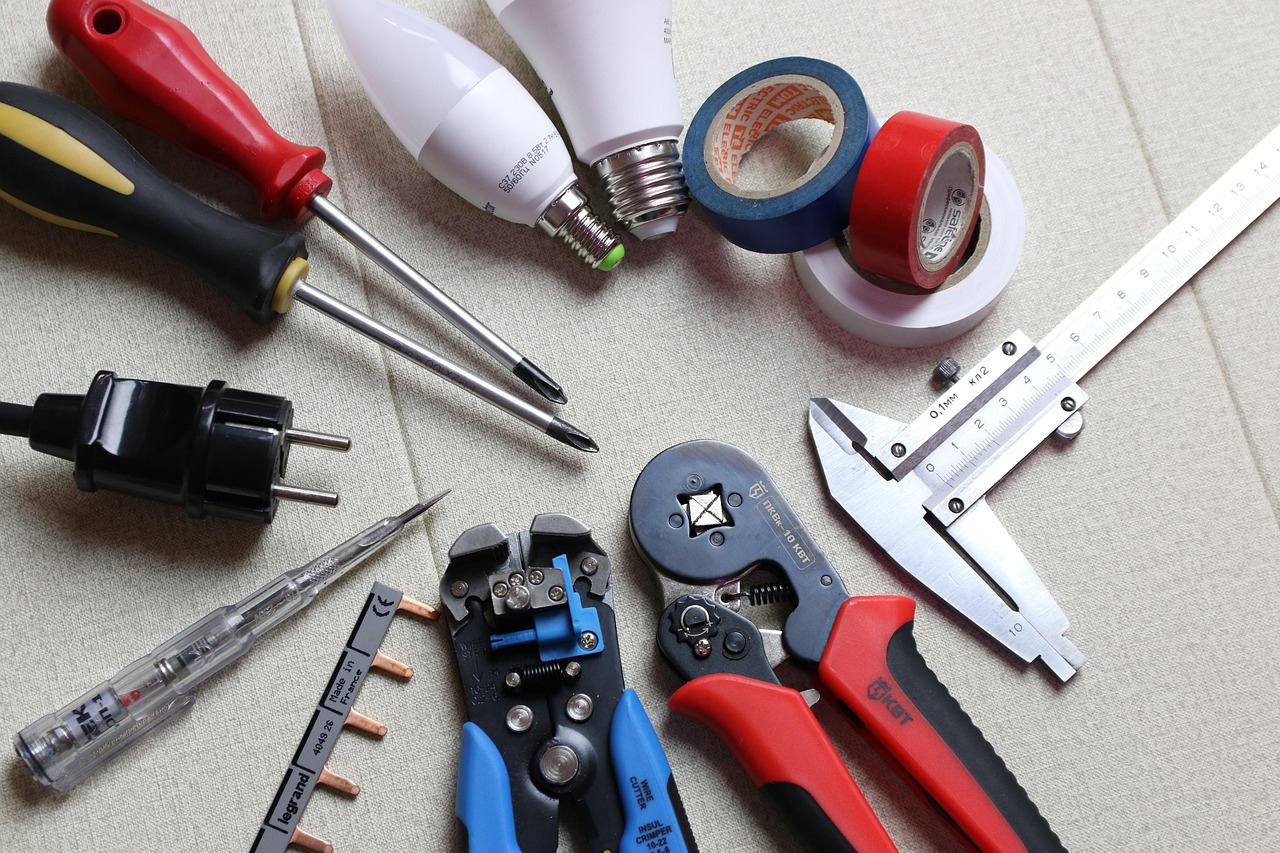
Use only tools and materials specifically designed for electrical work and listed for safety by recognized organizations.
5. Follow Manufacturer Instructions:
Carefully follow the manufacturer’s instructions for installing any new electrical components, such as fixtures, switches, or outlets.
6. Upgrade When Necessary:
If your home’s electrical system is outdated, consider upgrading to a modern, safe system. A qualified affordable Tampa Bay electrician can assess your needs and recommend solutions.
7. Regularly Inspect Wiring:
Periodically inspect your home’s wiring for signs of damage, wear, or overheating. Any issues should be addressed immediately by a licensed electrician.
When to Call for Emergency Electrical Services
Unforeseen electrical problems can arise during renovations. Know when to call for emergency electrical services near me:
- Loss of power: If your power suddenly cuts out, especially during critical renovation stages.
- Flickering lights: Unstable power can damage your tools and equipment.
- Odd smells: A burning odor or electrical buzzes are signs of potential problems that require immediate attention.
- Overheated outlets or switches: This could indicate a serious wiring issue.
Conclusion
Renovating your Tampa Bay home can be a rewarding experience, but it’s essential to prioritize electrical safety. By hiring a best licensed electrician Tampa Bay, understanding local codes, and following best practices, you can ensure a safe and successful project. Remember, electrical safety is non-negotiable. Always consult with a professional when dealing with your home’s electrical system.
Frequently Asked Questions
- How do I know if I need a permit for electrical work? Contact your local building department to inquire about requirements for your specific project.
- Can I perform minor electrical tasks myself? For simple tasks like replacing a light bulb or a switch, yes. However, for any work involving wiring or complex installations, it’s highly recommended to hire a licensed electrician.
- What should I do if I experience an electrical fire? Immediately evacuate the area and call 911 for emergency services. Turn off the power at the main circuit breaker if safe to do so.
- How often should I have my electrical system inspected? It’s recommended to have a professional electrical inspection every 5-10 years, or sooner if you suspect any issues.
- What is the cost of emergency electrical services? Costs can vary depending on the scope of the problem. It’s best to contact a local emergency electrical service near me for a quote.
References
- Electrical Contractors near Tampa, FL | Better Business Bureau — www.bbb.org
- Electrician near Tampa, FL | Better Business Bureau — www.bbb.org