TL;DR: Whether you’re updating your kitchen, adding a room, or remodeling your entire home, understanding electrical safety best practices is crucial when undertaking home renovations in Tampa Bay. This guide explores essential tips and highlights the importance of hiring licensed professionals like the best-rated Tampa Bay FL electrician services providers for a secure and successful renovation project.
Introduction
Home renovation projects bring excitement and opportunities for personalization, but they also present potential hazards, especially when it comes to electricity. Tampa Bay, with its warm climate and diverse housing stock, requires specific electrical considerations during renovations. This article delves into best practices for electrical safety, emphasizing the vital role Tampa Bay FL electrician services play in ensuring your project is both safe and successful.
Understanding Electrical Hazards During Renovations
Renovating an existing home often involves working with or around existing electrical systems. Common hazards include:
-
Outdated Wiring: Older homes might have outdated wiring that cannot handle the increased electrical load from modern appliances and lighting.
-
Hidden Wires: During demolition, you might inadvertently expose or damage hidden wires, creating safety risks.
-
Incompatible Systems: Different renovation phases may require incompatible electrical systems, leading to potential short circuits and fires if not managed properly.
-
Overloading Circuits: Adding new appliances or lighting fixtures without proper circuit upgrades can lead to overloading, tripped breakers, or damaged wiring.
Essential Electrical Safety Best Practices
To safeguard your family and property during home renovations, follow these critical guidelines:
1. Consult a Licensed Electrician
Hiring a best licensed electrician Tampa Bay is paramount for any renovation project involving electricity. Professionals like [Insert Local Electrician’s Name] ensure your work complies with local building codes and electrical safety standards. They can also identify potential hazards and offer solutions tailored to your specific needs.
2. Assess Your Home’s Electrical System
Before starting, have a qualified electrician assess your home’s electrical system:
- Check for outdated wiring: Older homes might require retrofitting or an entire system upgrade.
- Inspect panel box: Ensure it’s adequate for your home’s current and anticipated electrical needs.
- Evaluate circuit loads: Test each circuit to determine if overloading is a concern.
3. Prioritize Safety During Demolition
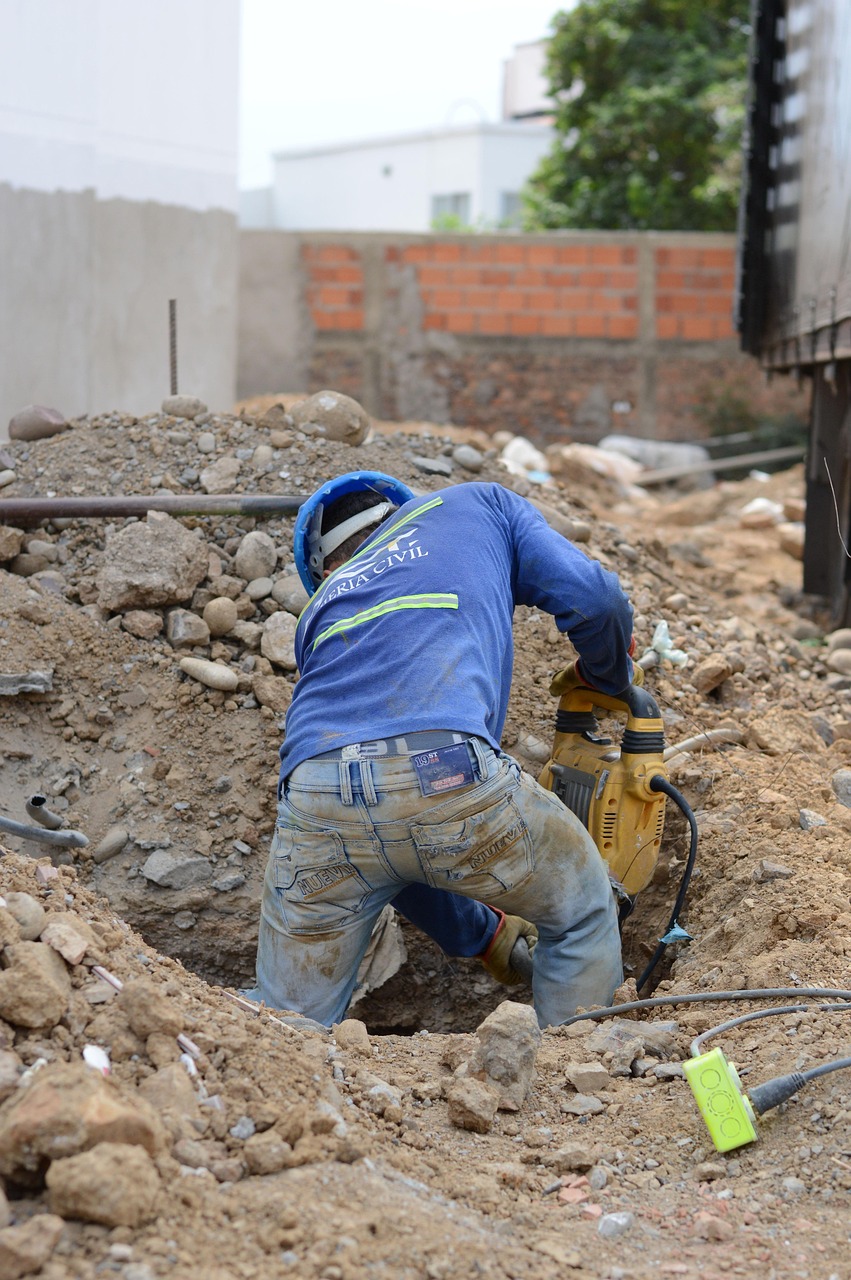
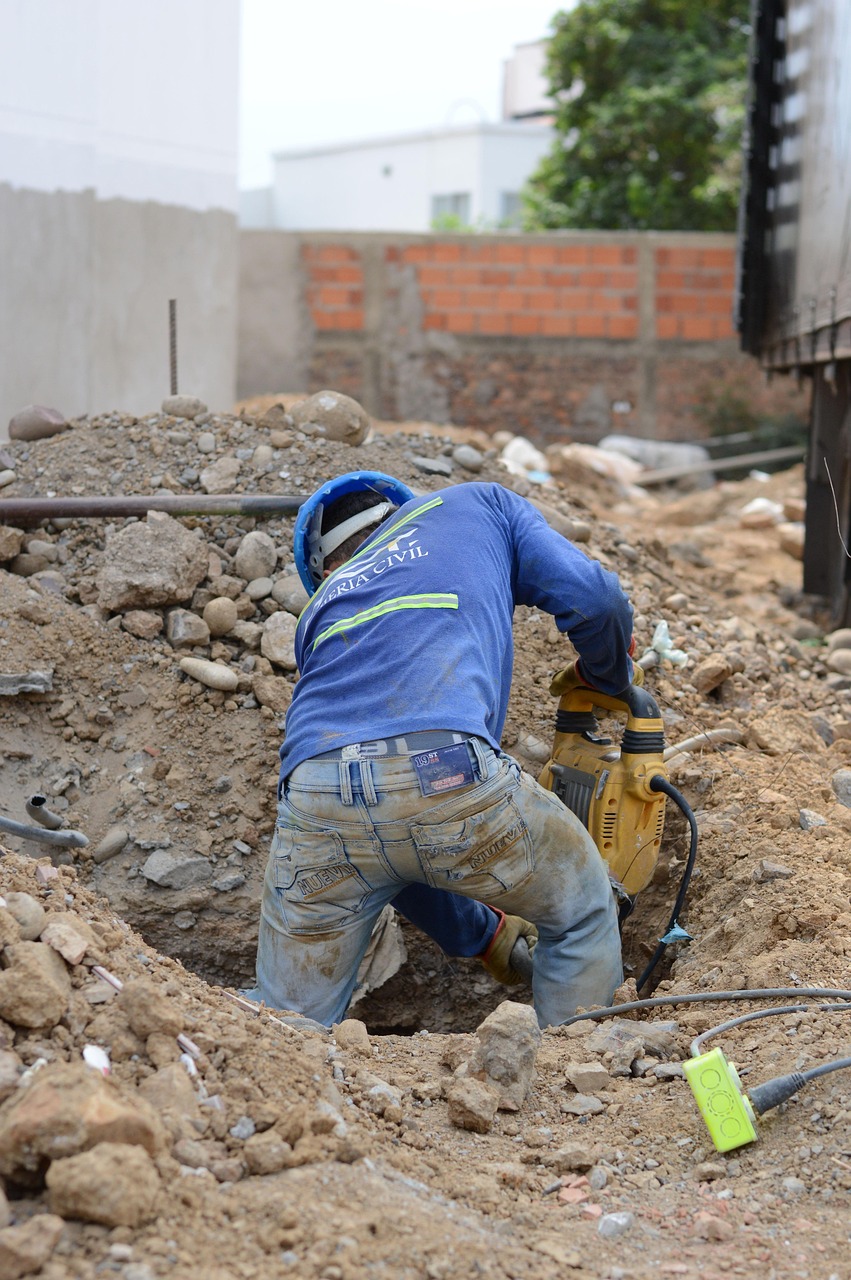
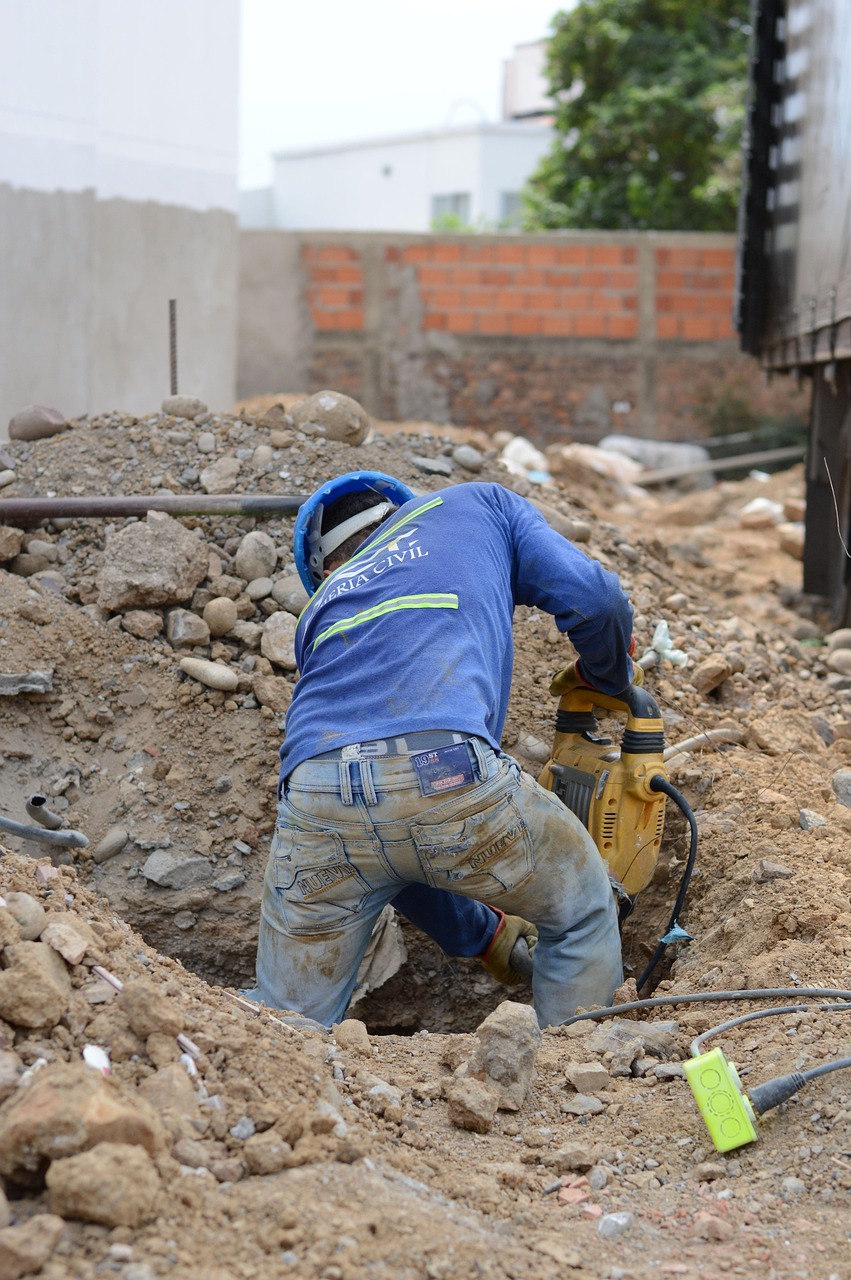
Demolition work can be dangerous, especially when wires are involved:
- Locate and mark all wires: Use wire detectors and mark exposed wires clearly before cutting or moving any renovation materials.
- Turn off power at the main breaker: Deactivate the electrical system to prevent accidental shocks or fires.
- Hire professionals for complex tasks: Complex demolition or wiring repairs should be left to experienced emergency electrical services near me.
4. Upgrade as You Go
If your renovation involves adding new rooms, kitchens, or bathrooms, plan for necessary electrical upgrades:
- New circuits and outlets: Install additional circuits to handle increased load from new appliances and lighting.
- Grounding and bonding: Ensure proper grounding and bonding practices for safety against electrical shocks.
- Lighting considerations: Plan for adequate lighting in each room, considering both natural and artificial sources.
5. Use Safe Tools and Equipment
Utilize only high-quality tools and equipment rated for safe use during renovations:
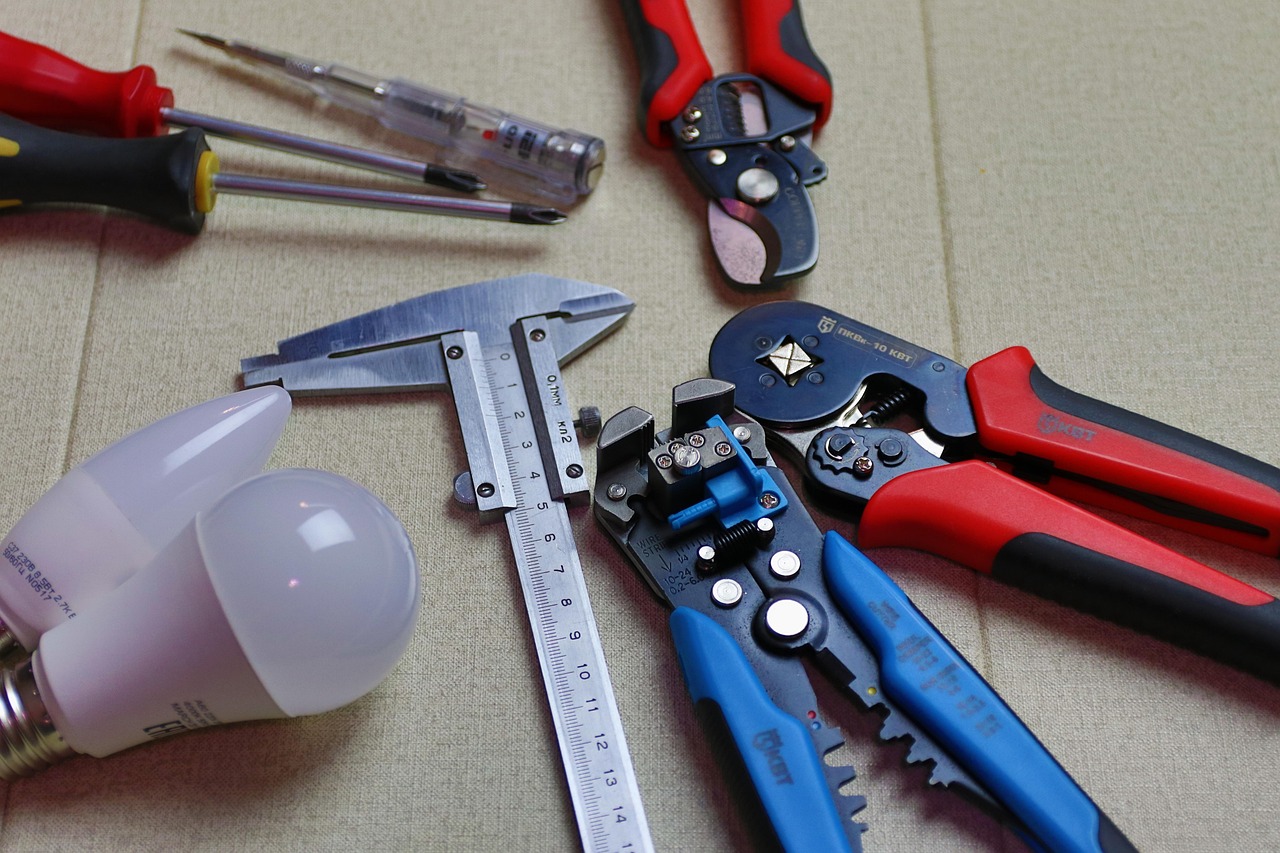
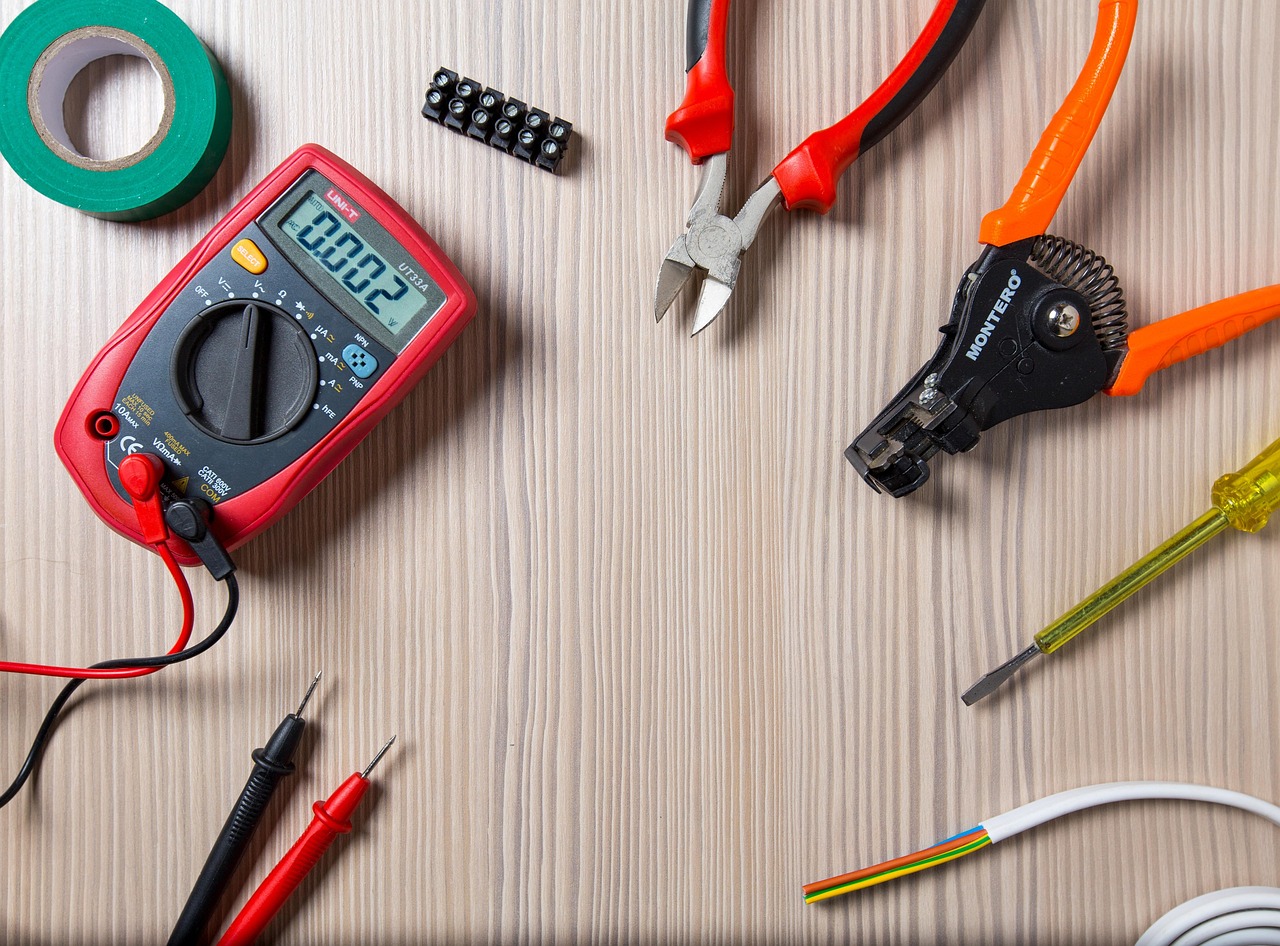
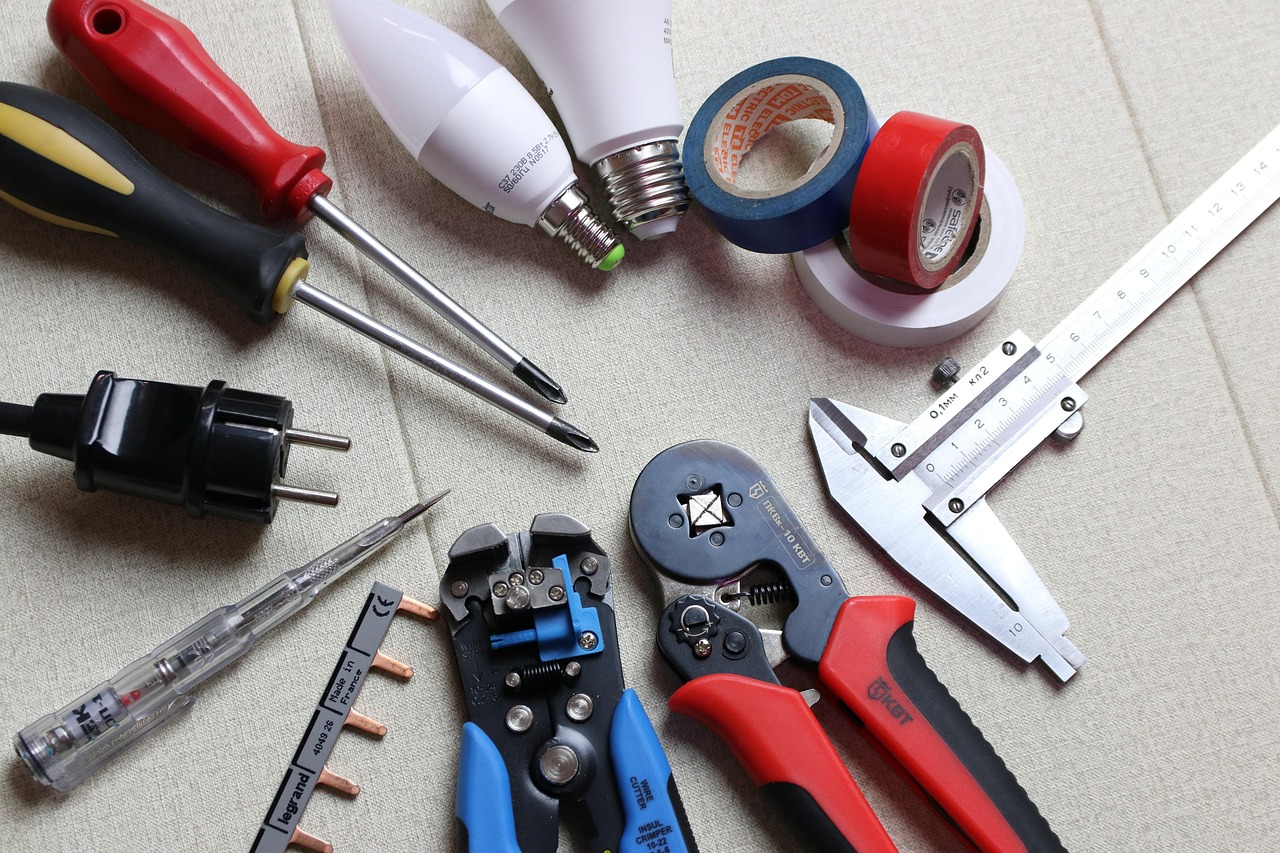
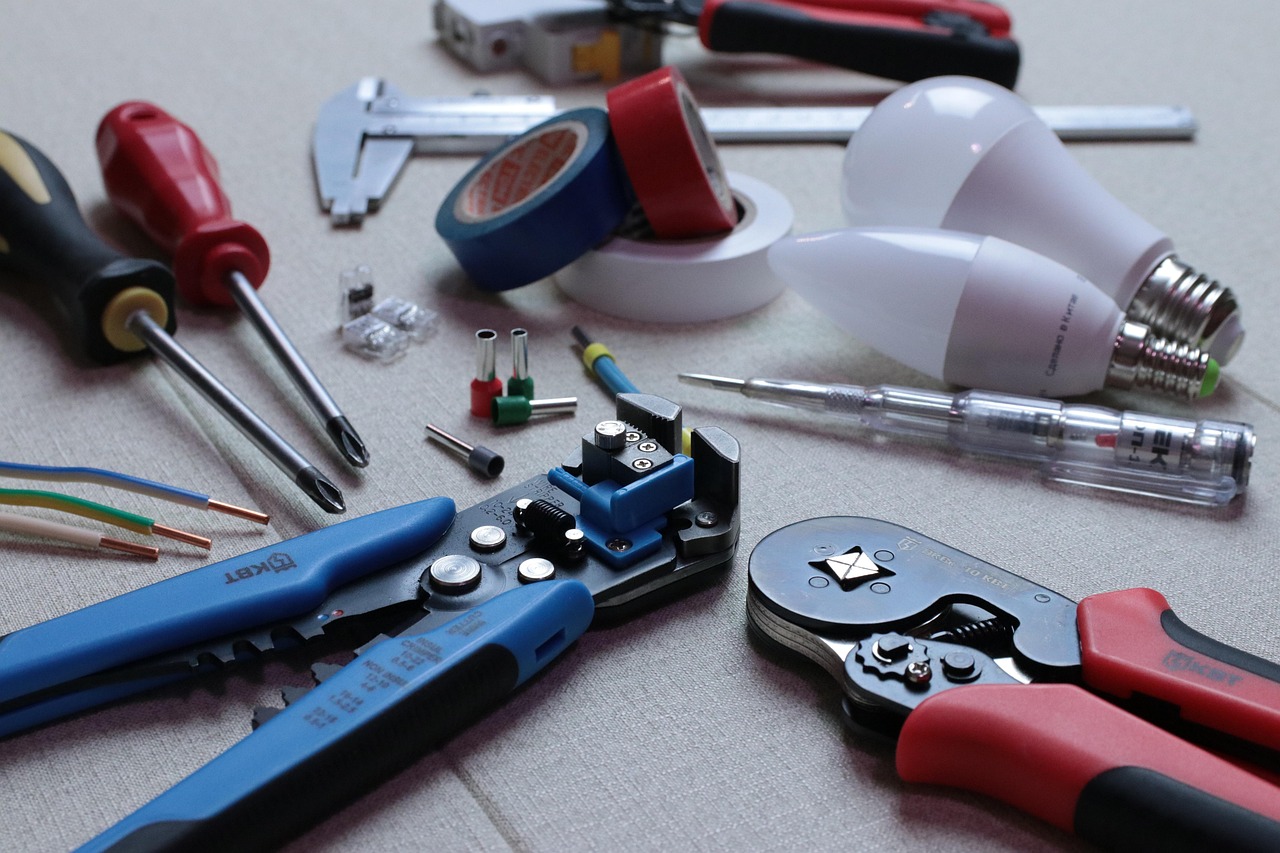
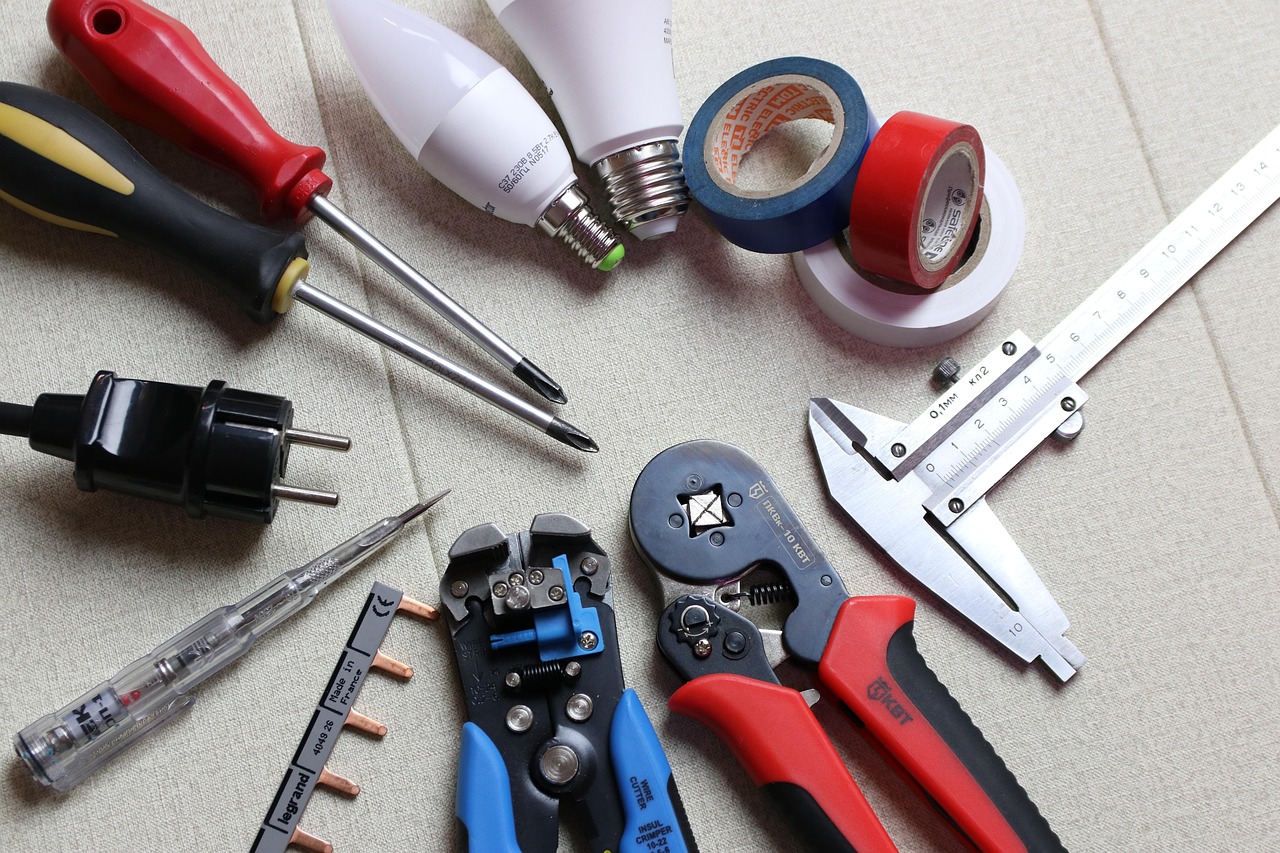
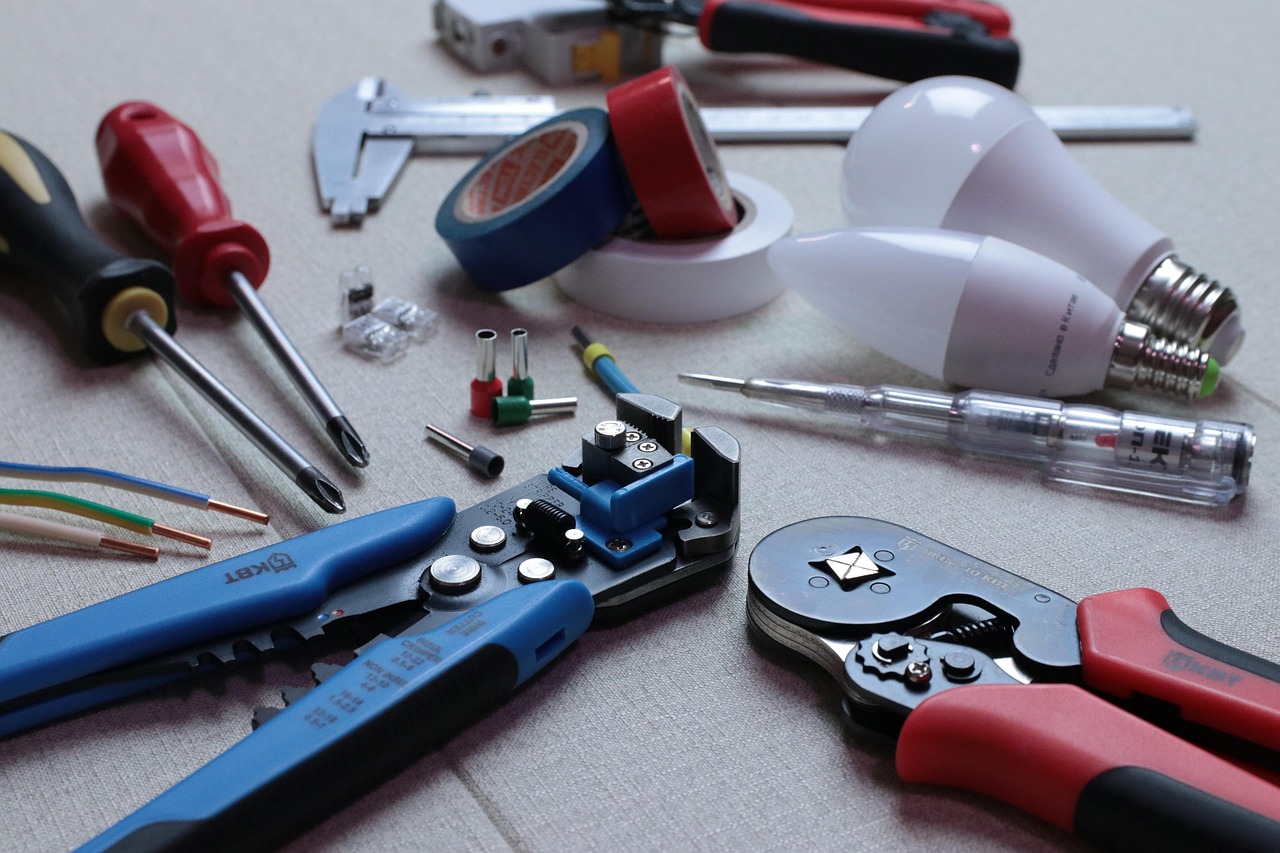
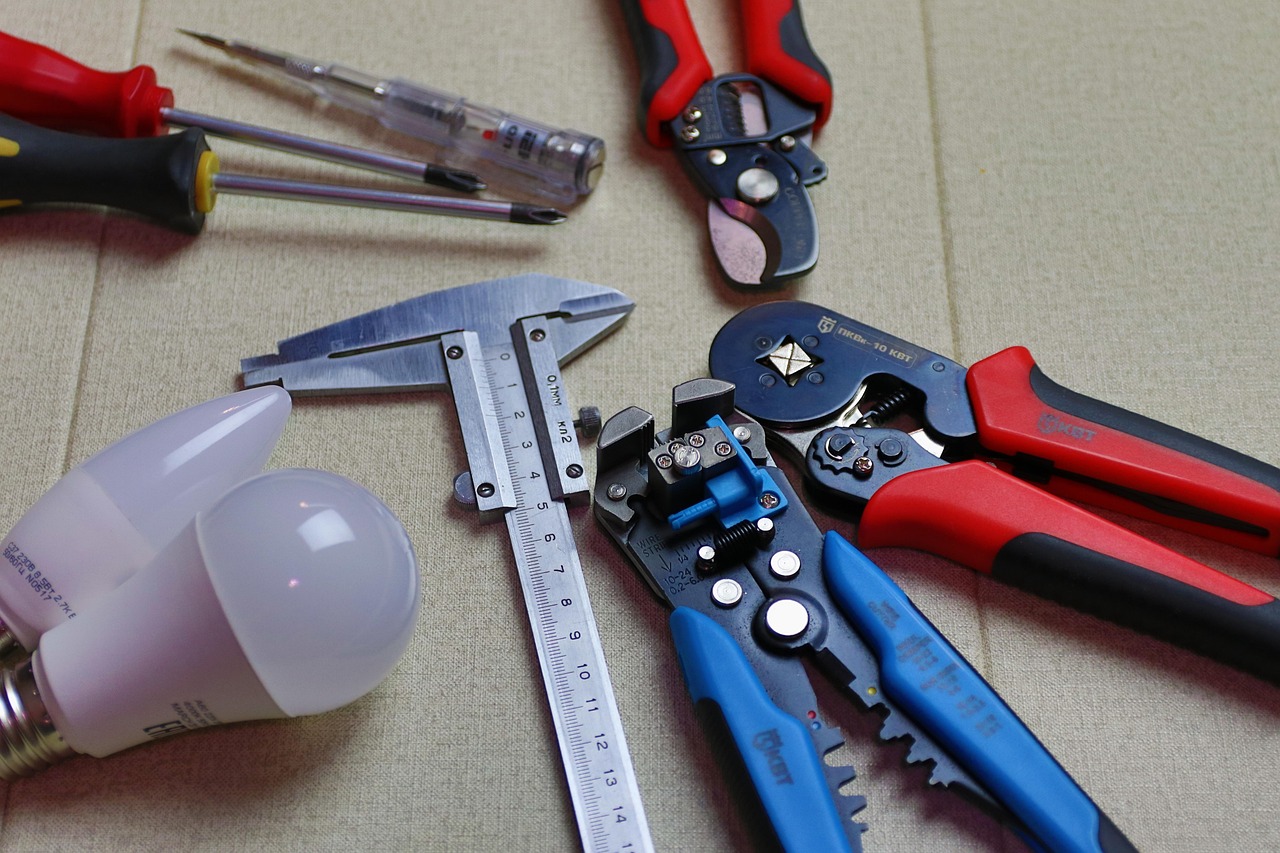
- Insulated tools: Wear insulated gloves and use tools designed for electrical work to prevent accidents.
- Voltsmen or testing devices: Use these tools to check for live wires before cutting or drilling.
- Non-conductive materials: Choose non-metallic materials for renovation projects to minimize the risk of electric shock.
When to Call a Professional Electrician
While some minor renovations may allow for DIY approaches, electrical work always requires caution and expertise. Consider calling a professional electrician for:
- Complex wiring: Any work involving re-wiring, new panel installations, or complex circuit upgrades.
- Additions or major remodels: Significant changes to your home’s layout demand careful electrical planning and execution.
- Unsure about local codes: Local building codes often include specific requirements for electrical work. A licensed electrician ensures compliance.
- Emergency repairs: Power outages, electrical fires, or exposed wires require immediate attention from same day electricians Tampa.
Finding Reputable Electricians in Tampa Bay
In the Tampa Bay area, several reputable affordable Tampa Bay electrician services are readily available:
- Online Reviews: Start by reading reviews on platforms like Google and Yelp to gauge a company’s reputation.
- Local Referrals: Ask friends, family, or neighbors for recommendations of trusted electricians.
- Licensing and Insurance: Ensure the electrician is fully licensed and insured to protect against potential risks.
- Clear Communication: A good electrician should listen to your needs, provide transparent pricing, and offer a detailed plan for the work.
Conclusion
Electrical safety during home renovations in Tampa Bay cannot be overstated. By understanding common hazards, following best practices, and hiring licensed professionals like top-rated Tampa Bay FL electrician services, you can ensure a secure and successful renovation project. Remember, electrical work is complex and potentially dangerous; leaving it to experts guarantees peace of mind and the protection of your home and loved ones.
References
- Electrical Contractors near Tampa, FL | Better Business Bureau — www.bbb.org
- Electrician near Tampa, FL | Better Business Bureau — www.bbb.org